Microplastics leak invisible chemical clouds into water: Study
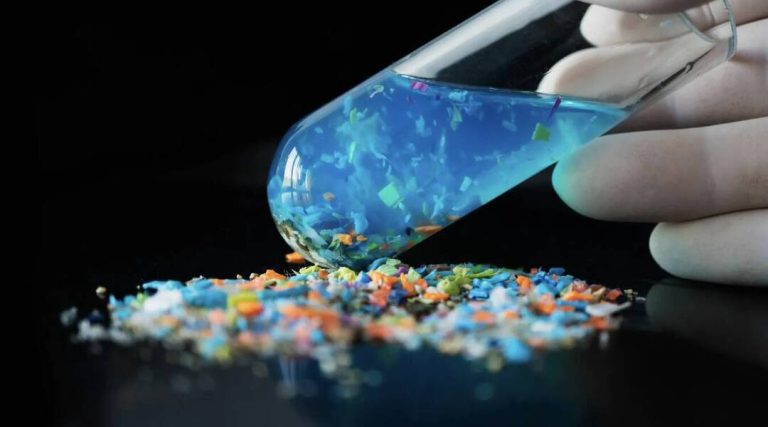
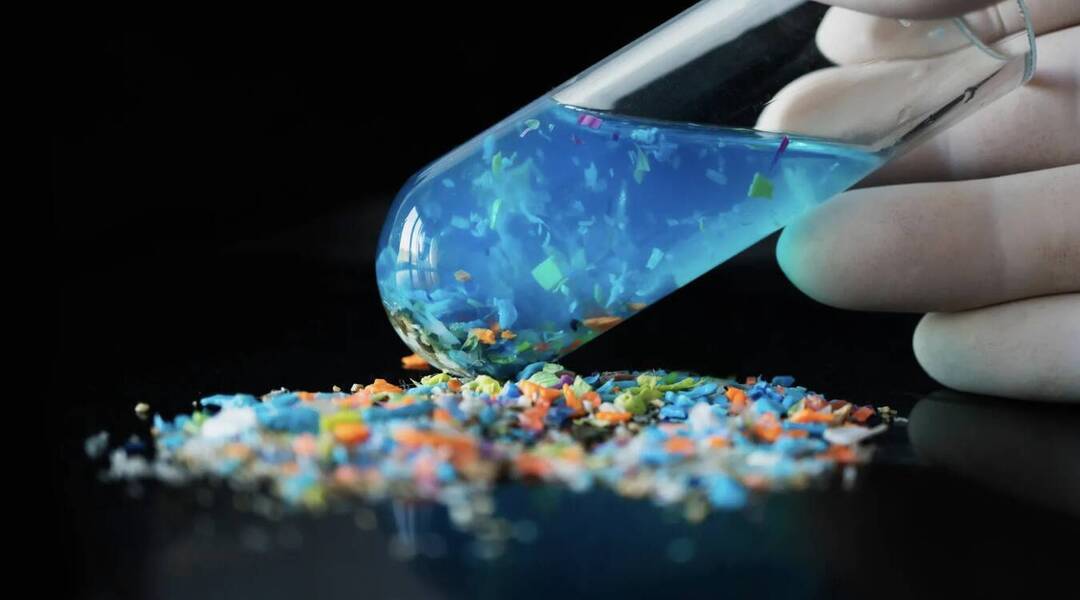
The issue of microplastics in our environment has been a growing concern in recent years. These tiny plastic particles, which are less than 5 millimeters in size, have been found to be ubiquitous in our oceans, rivers, and lakes, and have been shown to have a significant impact on the health of our planet. A recent study has shed new light on the problem of microplastics, revealing that they release invisible clouds of chemicals into the water, driven by sunlight. This study has significant implications for our understanding of the impact of microplastics on the environment and human health.
The study, which was conducted by a team of researchers, examined four common types of plastic: polyethylene, polypropylene, polyvinyl chloride, and polystyrene. These plastics are widely used in a variety of applications, including packaging, clothing, and construction materials. The researchers found that each type of plastic releases its own unique chemical mixture when exposed to sunlight, and that these chemicals can have a significant impact on the environment.
One of the most significant findings of the study was that plastics labeled as biodegradable release the most chemicals. This is a surprising result, as biodegradable plastics are often marketed as a more environmentally friendly alternative to traditional plastics. However, the study found that these plastics can actually release more chemicals into the water than traditional plastics, which can have a negative impact on the environment.
The chemicals released by microplastics are known as dissolved organic matter (DOM), and they can have a significant impact on the health of aquatic ecosystems. DOM can react with other chemicals in the water to form new compounds, some of which can be toxic to plants and animals. The study found that the DOM released by microplastics is more biologically active than natural organic matter, which means that it can have a greater impact on the environment.
The study also found that the chemicals released by microplastics can be driven by sunlight, which can exacerbate the problem. When microplastics are exposed to sunlight, they can release more chemicals into the water, which can have a negative impact on the environment. This is a significant concern, as microplastics are often found in shallow water, where they are exposed to sunlight for extended periods of time.
The implications of this study are significant, and they highlight the need for further research into the impact of microplastics on the environment. The study suggests that microplastics can have a significant impact on the health of aquatic ecosystems, and that they can release chemicals into the water that can be toxic to plants and animals. This is a major concern, as microplastics are found in waterways all over the world, and they can have a significant impact on the health of humans and wildlife.
The study also highlights the need for more effective regulation of microplastics. Currently, there are few regulations in place to limit the use of microplastics, and they are often used in a wide range of applications. However, the study suggests that microplastics can have a significant impact on the environment, and that they should be regulated more effectively.
In conclusion, the study on microplastics and their impact on the environment is a significant one, and it highlights the need for further research into this issue. The study found that microplastics release invisible clouds of chemicals into the water, driven by sunlight, and that these chemicals can have a significant impact on the health of aquatic ecosystems. The study also found that plastics labeled as biodegradable release the most chemicals, which is a surprising result. Overall, the study suggests that microplastics can have a significant impact on the environment, and that they should be regulated more effectively.
As we move forward, it is essential that we take steps to reduce our use of microplastics and to regulate their use more effectively. This can involve reducing our use of single-use plastics, increasing our use of biodegradable plastics, and implementing more effective waste management systems. By taking these steps, we can reduce the impact of microplastics on the environment and protect the health of our planet.
The issue of microplastics is a complex one, and it will require a comprehensive approach to solve. However, by working together, we can reduce the impact of microplastics and create a healthier, more sustainable environment for future generations.
News Source: https://www.sciencedaily.com/releases/2025/12/251224032408.htm
About the Author