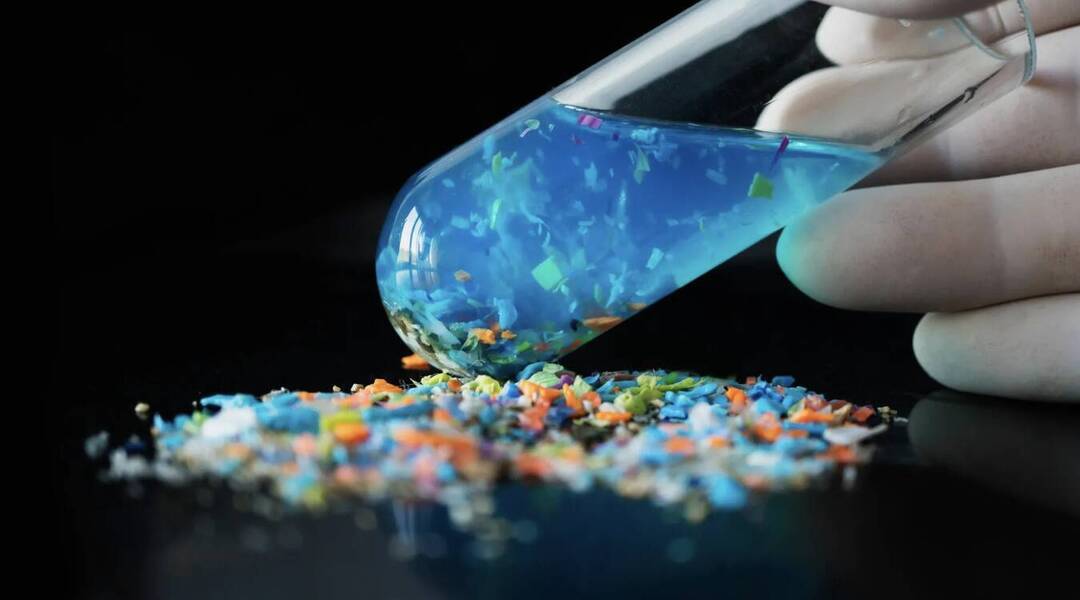
Microplastics leak invisible chemical clouds into water: Study
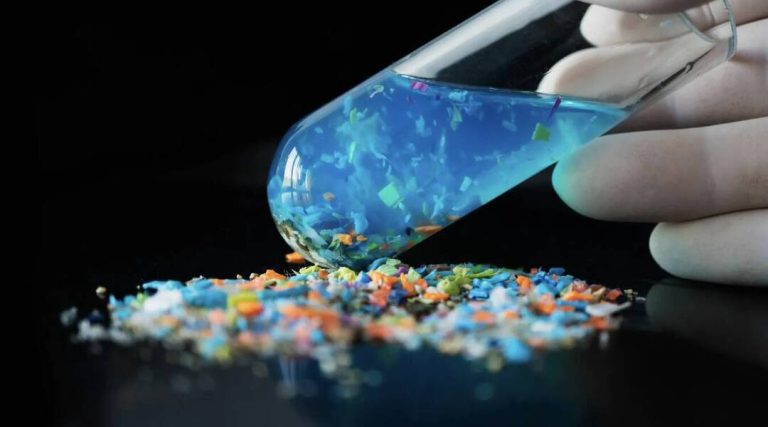
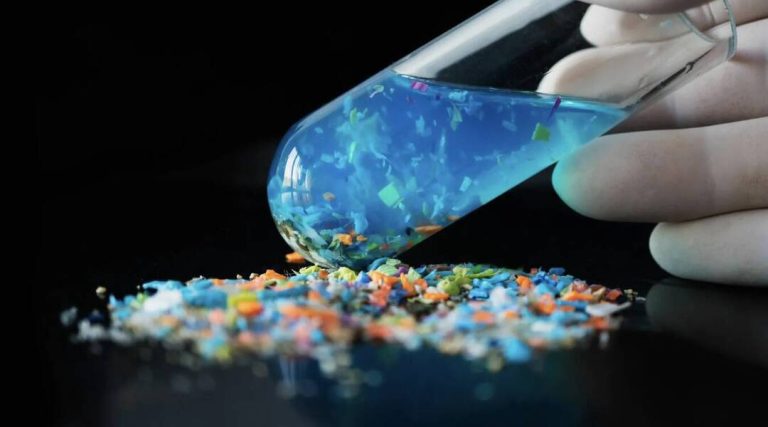
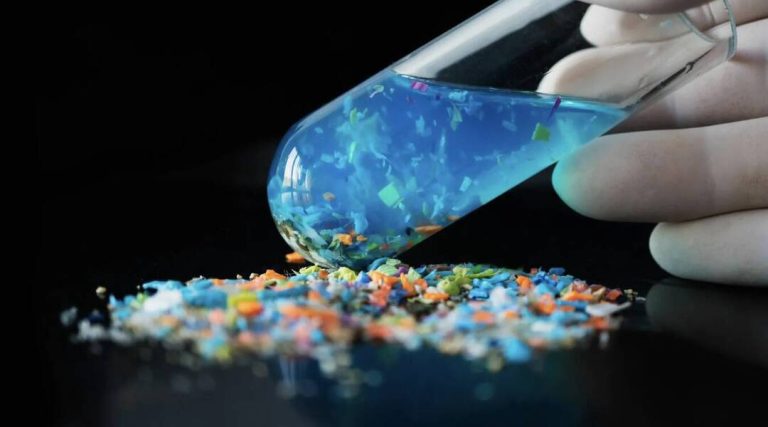
The world’s water bodies, including rivers, lakes, and oceans, are facing a growing threat from microplastics. These tiny plastic particles, which are less than 5 millimeters in size, have been found to be pervasive in aquatic environments, with severe consequences for the health of ecosystems and human populations. A recent study has shed new light on the dangers of microplastics, revealing that they release invisible clouds of chemicals into the water, driven by sunlight. The findings of this study have significant implications for our understanding of the impact of microplastics on the environment and human health.
The study, which examined four common plastic types, found that each releases its own unique chemical mixture into the water. The researchers discovered that plastics labelled as biodegradable release the most chemicals, which is a surprising and alarming finding. Biodegradable plastics are often marketed as a more environmentally friendly alternative to traditional plastics, but this study suggests that they may be just as harmful, if not more so. The chemicals released by microplastics include a range of compounds, such as plastic additives, persistent organic pollutants, and other toxic substances.
One of the key findings of the study is that the dissolved organic matter (DOM) released by microplastics is more biologically active than natural organic matter. This means that the chemicals released by microplastics are more likely to interact with living organisms and cause harm. The study’s authors suggest that this increased biological activity may be due to the unique chemical composition of microplastics, which can include a range of additives and other substances that are not found in natural organic matter.
The release of invisible chemical clouds from microplastics is driven by sunlight, which breaks down the plastic particles and releases the chemicals into the water. This process, known as photodegradation, is an important mechanism for the release of chemicals from microplastics. The study found that the rate of photodegradation varies depending on the type of plastic and the intensity of sunlight. In general, the researchers found that microplastics release more chemicals in sunny conditions, which could have significant implications for aquatic ecosystems in tropical and subtropical regions.
The study’s findings have significant implications for our understanding of the impact of microplastics on the environment and human health. Microplastics have been found in a wide range of aquatic environments, from the deepest parts of the ocean to the smallest streams and rivers. They have also been found in drinking water and food, which means that humans are likely to be exposed to the chemicals released by microplastics. The study’s authors suggest that the release of invisible chemical clouds from microplastics could be a major contributor to the toxicity of microplastics, which has been linked to a range of health problems, including cancer, reproductive issues, and neurological damage.
The study’s findings also have significant implications for the management of microplastics in aquatic environments. The researchers suggest that reducing the amount of microplastics in the environment could be an effective way to mitigate the release of invisible chemical clouds. This could involve reducing plastic pollution, improving waste management, and promoting the use of biodegradable alternatives to traditional plastics. However, the study’s authors also note that biodegradable plastics may not be as benign as previously thought, and that more research is needed to understand their impact on the environment.
In conclusion, the study’s findings highlight the need for urgent action to address the problem of microplastics in aquatic environments. The release of invisible chemical clouds from microplastics is a significant concern, and one that requires further research and attention. By reducing plastic pollution, improving waste management, and promoting the use of sustainable alternatives to traditional plastics, we can help to mitigate the impact of microplastics on the environment and human health.
The study’s findings are a reminder that the impact of microplastics on the environment is complex and multifaceted. While the release of invisible chemical clouds is a significant concern, it is just one of many ways in which microplastics can harm aquatic ecosystems. Further research is needed to fully understand the impact of microplastics and to develop effective strategies for mitigating their effects.
In the meantime, there are steps that individuals can take to reduce their exposure to microplastics and to help mitigate their impact on the environment. These include reducing plastic use, recycling, and avoiding products that contain microplastics. By taking these steps, we can help to reduce the amount of microplastics in the environment and to mitigate their impact on human health and the environment.
News Source: https://www.sciencedaily.com/releases/2025/12/251224032408.htm
About the Author