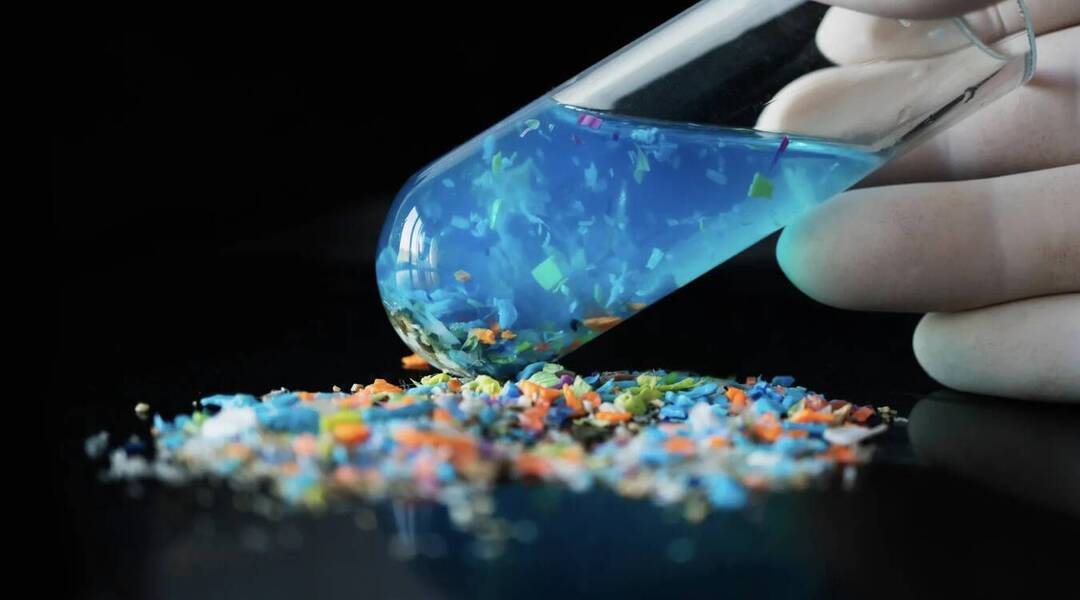
Microplastics leak invisible chemical clouds into water: Study
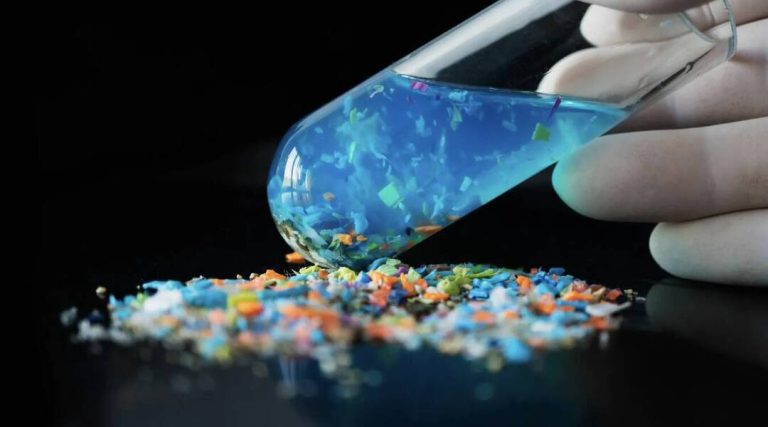
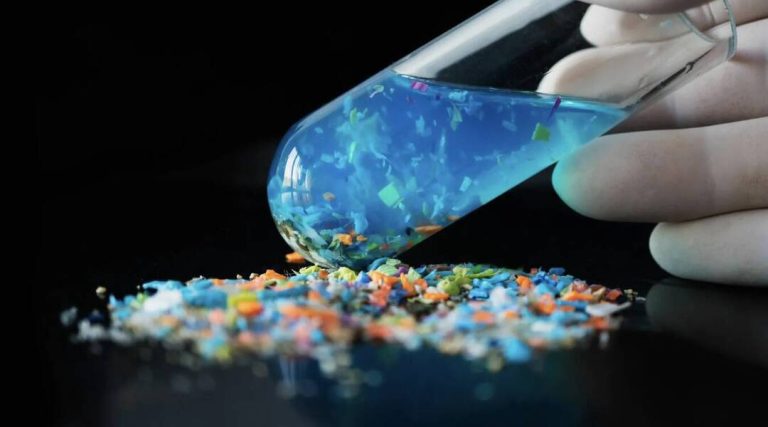
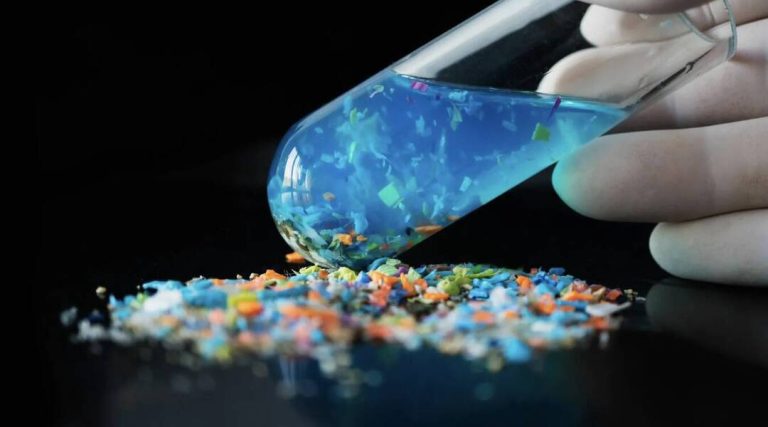
The world’s water bodies, including rivers, lakes, and oceans, are facing a growing threat from microplastics. These tiny plastic particles, which are less than 5 millimeters in size, have been found to be ubiquitous in aquatic environments, with severe consequences for the health of ecosystems and human populations. A recent study has shed new light on the dangers of microplastics, revealing that they leak invisible clouds of chemicals into water, driven by sunlight. The findings of this study have significant implications for our understanding of the impact of microplastics on the environment and human health.
The study, which examined four common plastic types, found that each releases its own unique chemical mixture into water when exposed to sunlight. The plastics labeled as biodegradable were found to release the most chemicals, highlighting the potential risks associated with the use of these materials. The researchers also discovered that the dissolved organic matter (DOM) released by microplastics is more biologically active than natural organic matter, which can have significant consequences for the health of aquatic ecosystems.
Microplastics have been found to be present in water bodies all over the world, from the depths of the ocean to the surfaces of rivers and lakes. They can come from a variety of sources, including the breakdown of larger plastic items, microbeads in personal care products, and synthetic fibers from clothing. Once in the water, microplastics can be ingested by animals, from small plankton to large fish, and can even be consumed by humans through the food chain.
The study’s findings suggest that microplastics are not just inert particles, but rather active participants in the chemical processes that occur in water. When exposed to sunlight, microplastics undergo a process called photodegradation, which breaks down the plastic into smaller particles and releases chemicals into the water. These chemicals can include a range of substances, from simple organic compounds to more complex pollutants like pesticides and heavy metals.
The release of chemicals from microplastics can have significant consequences for aquatic ecosystems. The chemicals can be toxic to animals, causing a range of effects from reproductive problems to death. They can also alter the chemistry of the water, changing the pH and nutrient availability, which can have cascading effects on the entire ecosystem. The study’s findings suggest that microplastics can be a significant source of chemical pollution in water, rivaling other sources like agricultural runoff and industrial waste.
The fact that biodegradable plastics release the most chemicals is particularly concerning. Biodegradable plastics are often touted as a more environmentally friendly alternative to traditional plastics, but the study’s findings suggest that they may not be as benign as previously thought. While biodegradable plastics may break down more quickly than traditional plastics, they can still release a significant amount of chemicals into the water, which can have negative consequences for aquatic ecosystems.
The study’s findings also highlight the importance of considering the biological activity of the chemicals released by microplastics. The DOM released by microplastics was found to be more biologically active than natural organic matter, which means that it can have a greater impact on the health of aquatic ecosystems. This is particularly concerning, as microplastics are often ingested by animals, which can then be consumed by humans, potentially exposing us to a range of chemicals and pollutants.
The study’s findings have significant implications for the management of microplastics in water. Currently, there are few regulations in place to limit the release of microplastics into the environment, and the study’s findings suggest that this needs to change. Governments and industries must take steps to reduce the amount of microplastics that enter the water, through measures like improved waste management and the use of alternative materials.
In conclusion, the study’s findings highlight the significant threat that microplastics pose to aquatic ecosystems and human health. The release of invisible clouds of chemicals from microplastics, driven by sunlight, is a concern that must be taken seriously. The fact that biodegradable plastics release the most chemicals and that the DOM released by microplastics is more biologically active than natural organic matter, only adds to the urgency of the situation. As we move forward, it is essential that we take steps to reduce the amount of microplastics that enter the water and to mitigate the negative consequences of microplastic pollution.
News Source: https://www.sciencedaily.com/releases/2025/12/251224032408.htm
About the Author