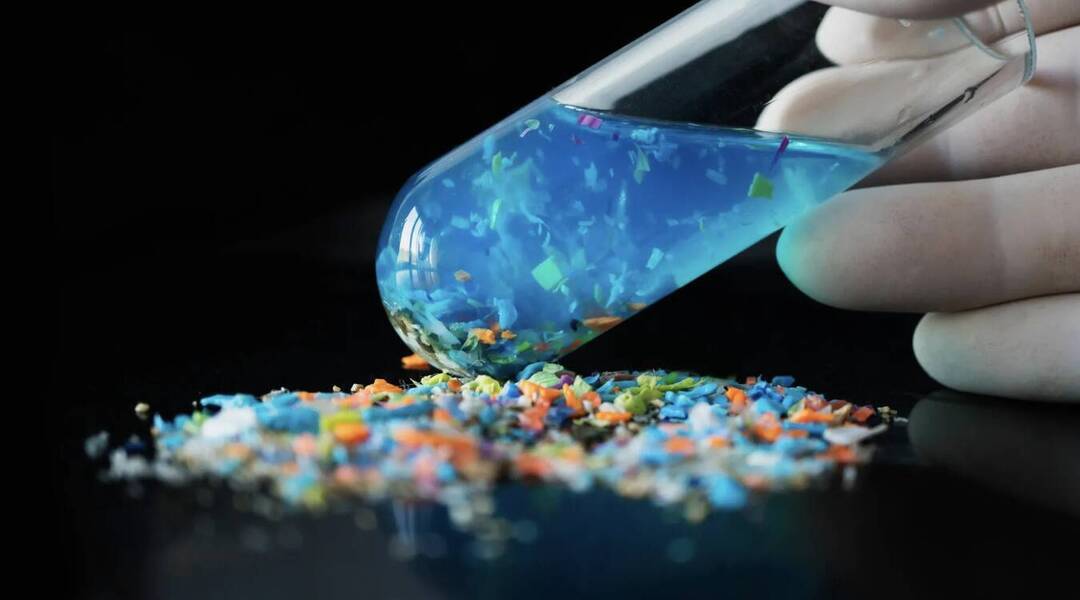
Microplastics leak invisible chemical clouds into water: Study
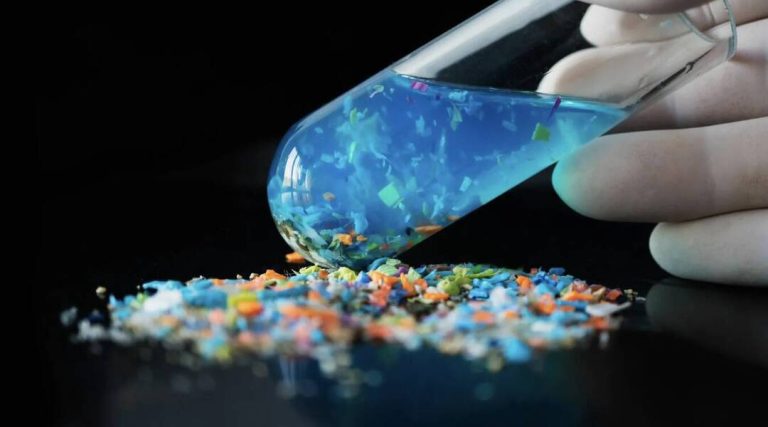
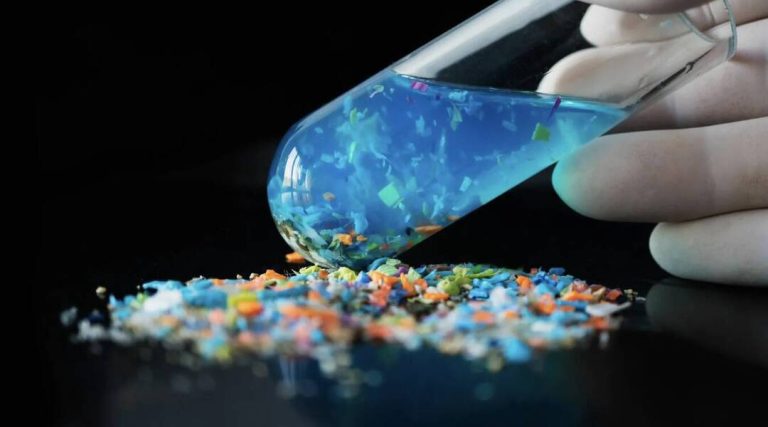
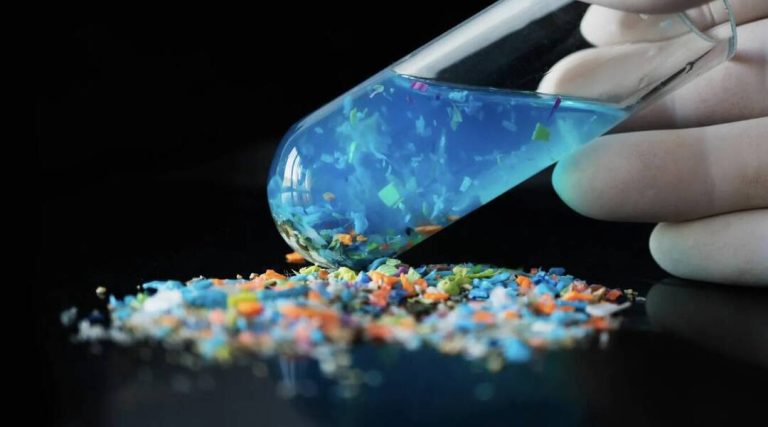
The world has long been aware of the dangers of microplastics in our waterways. These tiny plastic particles, which are less than 5 millimeters in size, have been shown to harm aquatic life and even make their way into the human food chain. However, a recent study has revealed a new and disturbing aspect of microplastics in water: their ability to release invisible clouds of chemicals into the surrounding water, driven by sunlight.
The study, which examined four common types of plastic, found that each type releases its own unique mixture of chemicals, with plastics labeled as biodegradable releasing the most. This discovery has significant implications for our understanding of the impact of microplastics on aquatic ecosystems and human health.
To understand the study’s findings, it’s essential to delve into the world of microplastics and their effects on the environment. Microplastics have become a ubiquitous pollutant in rivers, lakes, and oceans around the world. They can come from a variety of sources, including the breakdown of larger plastic items, microbeads in personal care products, and synthetic fibers from clothing.
Once in the water, microplastics can be ingested by aquatic animals, from small plankton to large fish. This can lead to a range of problems, including physical harm, toxicity, and even death. Moreover, microplastics have been shown to accumulate in the food chain, potentially leading to human exposure through the consumption of contaminated seafood.
The recent study took a closer look at the chemical effects of microplastics in water. The researchers examined four common types of plastic: polyethylene, polypropylene, polyvinyl chloride (PVC), and polylactic acid (PLA), which is often labeled as biodegradable. They exposed these plastics to sunlight and measured the chemicals released into the surrounding water.
The results were striking. Each type of plastic released a unique mixture of chemicals, with PLA releasing the most. The study found that the dissolved organic matter (DOM) released by microplastics is more biologically active than natural organic matter. This means that the chemicals released by microplastics can have a greater impact on aquatic ecosystems than naturally occurring chemicals.
The study’s findings have significant implications for our understanding of the impact of microplastics on aquatic ecosystems. The release of invisible chemical clouds into the water can affect the growth and development of aquatic plants and animals, alter the composition of microbial communities, and even influence the formation of harmful algal blooms.
Moreover, the study’s results raise concerns about the effectiveness of biodegradable plastics. While these plastics are often marketed as a more environmentally friendly alternative to traditional plastics, the study found that they release more chemicals into the water than other types of plastic. This suggests that biodegradable plastics may not be as benign as previously thought.
The study’s findings also have implications for human health. The chemicals released by microplastics can accumulate in the food chain and potentially lead to human exposure through the consumption of contaminated seafood. While the exact health effects of microplastic exposure are still being studied, the potential risks are a cause for concern.
To mitigate the effects of microplastics on aquatic ecosystems and human health, it’s essential to reduce the amount of plastic waste that enters the environment. This can be achieved through a range of strategies, including reducing plastic use, increasing recycling rates, and improving waste management infrastructure.
Additionally, further research is needed to fully understand the impact of microplastics on aquatic ecosystems and human health. This includes studying the effects of microplastic exposure on aquatic animals, investigating the potential health risks of microplastic consumption, and developing effective methods for removing microplastics from the environment.
In conclusion, the recent study on microplastics has revealed a new and disturbing aspect of these tiny plastic particles. The release of invisible chemical clouds into the water, driven by sunlight, has significant implications for our understanding of the impact of microplastics on aquatic ecosystems and human health. As we move forward, it’s essential to prioritize reducing plastic waste, increasing recycling rates, and improving waste management infrastructure to mitigate the effects of microplastics on the environment.
News Source: https://www.sciencedaily.com/releases/2025/12/251224032408.htm
About the Author