Clubs demand no participation fee, AIFF funding for ISL restart
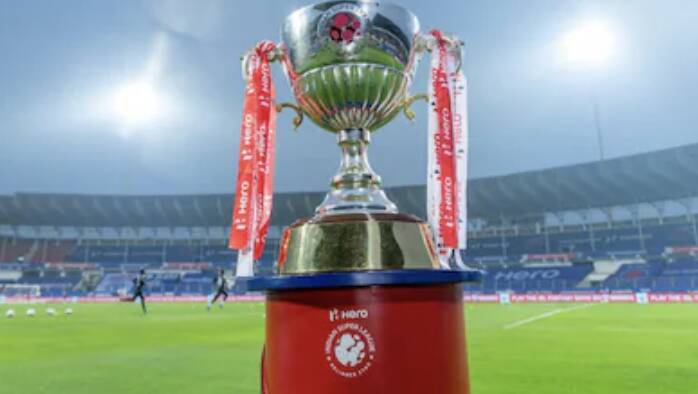
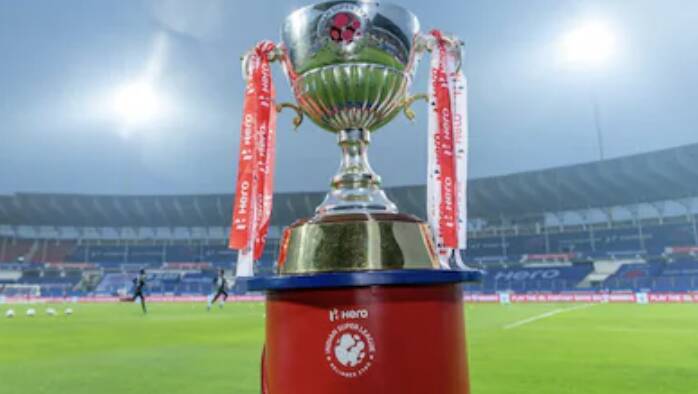
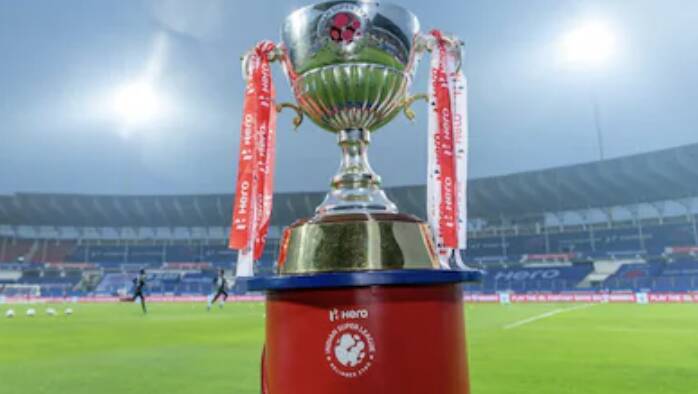
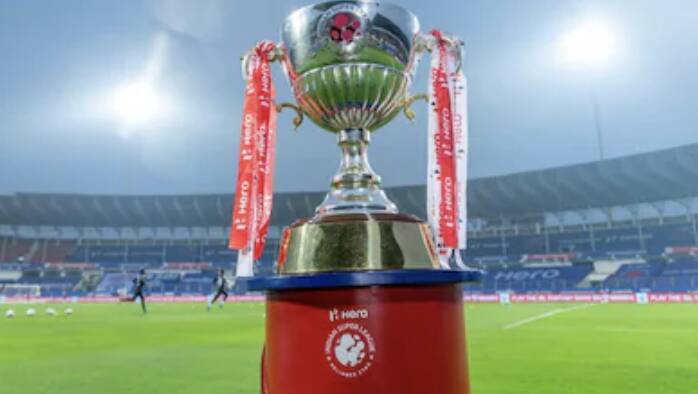
The Indian Super League (ISL) has been facing a multitude of challenges in recent times, and the latest development has thrown the future of the league into uncertainty. In a significant move, thirteen of the fourteen ISL clubs have come together to express their demands to the All India Football Federation (AIFF) for the restart of the delayed 2025-2026 season. The clubs have stated that they “may be ready and willing” to participate in the league if certain conditions are met, primarily revolving around the participation fee and operational costs.
The primary demand of the clubs is that there should be no participation fee for the upcoming season. This is a significant ask, considering that the participation fee has been a substantial revenue stream for the AIFF in the past. However, the clubs argue that the current financial situation of the league and the clubs themselves necessitates a waiver of the participation fee. The clubs have been facing significant financial constraints, and the participation fee has been a major burden on them.
In addition to the waiver of the participation fee, the clubs have also requested that the AIFF covers the operational costs for the upcoming season. This includes costs such as stadium rental, security, and other logistical expenses. The clubs argue that these costs are essential for the smooth conduct of the league and that the AIFF should bear these costs to ensure the success of the league.
The clubs have also requested a clear and time-bound roadmap for the league’s long-term commercial, governance, and financially sustainable structure. This is a critical demand, as the clubs need to have a clear understanding of the league’s vision and plans for the future. The roadmap should outline the steps that the AIFF plans to take to ensure the financial sustainability of the league, including revenue generation, cost reduction, and investment in infrastructure.
The demands of the clubs are not unreasonable, considering the current state of the league. The ISL has been facing significant challenges, including declining attendance, reduced revenue, and a lack of investment in infrastructure. The clubs have been struggling to stay afloat, and the participation fee has been a major burden on them. By waiving the participation fee and covering operational costs, the AIFF can help alleviate some of the financial pressure on the clubs and ensure their participation in the league.
Furthermore, the request for a clear roadmap for the league’s future is also a reasonable one. The clubs need to have a clear understanding of the league’s vision and plans for the future, including its commercial and governance structure. This will help them plan and prepare for the future, including investing in infrastructure, recruiting players, and developing their squads.
The AIFF has a significant role to play in addressing the demands of the clubs. The federation needs to take a proactive approach to address the concerns of the clubs and work towards finding a solution that benefits all stakeholders. This includes waiving the participation fee, covering operational costs, and providing a clear roadmap for the league’s future.
In conclusion, the demands of the ISL clubs for no participation fee and AIFF funding for the restart of the league are not unreasonable. The clubs are facing significant financial constraints, and the participation fee has been a major burden on them. By waiving the participation fee and covering operational costs, the AIFF can help alleviate some of the financial pressure on the clubs and ensure their participation in the league. The AIFF must take a proactive approach to address the concerns of the clubs and work towards finding a solution that benefits all stakeholders.
The future of the ISL hangs in the balance, and it is essential that the AIFF and the clubs work together to find a solution. The league has the potential to be a significant success, but it requires the support and investment of all stakeholders. The demands of the clubs are a starting point for negotiations, and it is essential that the AIFF engages with the clubs to find a mutually beneficial solution.
As the situation unfolds, it will be interesting to see how the AIFF responds to the demands of the clubs. The federation has a significant role to play in addressing the concerns of the clubs and ensuring the success of the league. The ISL has the potential to be a significant success, but it requires the support and investment of all stakeholders.
The ISL has been a significant development in Indian football, providing a platform for Indian players to compete against the best in the world. The league has also helped to increase the popularity of football in India, with significant investments in infrastructure and marketing. However, the league faces significant challenges, including declining attendance, reduced revenue, and a lack of investment in infrastructure.
The demands of the clubs are a wake-up call for the AIFF and the league’s organizers. The league needs to be restructured to ensure its long-term sustainability, including a clear and time-bound roadmap for its commercial, governance, and financial structure. The AIFF must take a proactive approach to address the concerns of the clubs and work towards finding a solution that benefits all stakeholders.
In the end, the success of the ISL depends on the ability of the AIFF and the clubs to work together to find a solution. The league has the potential to be a significant success, but it requires the support and investment of all stakeholders. The demands of the clubs are a starting point for negotiations, and it is essential that the AIFF engages with the clubs to find a mutually beneficial solution.
News Source: https://repository.inshorts.com/articles/en/PTI/292a827d-c3c4-4cd5-a4cf-6feefaf14e41
About the Author