Microplastics leak invisible chemical clouds into water: Study
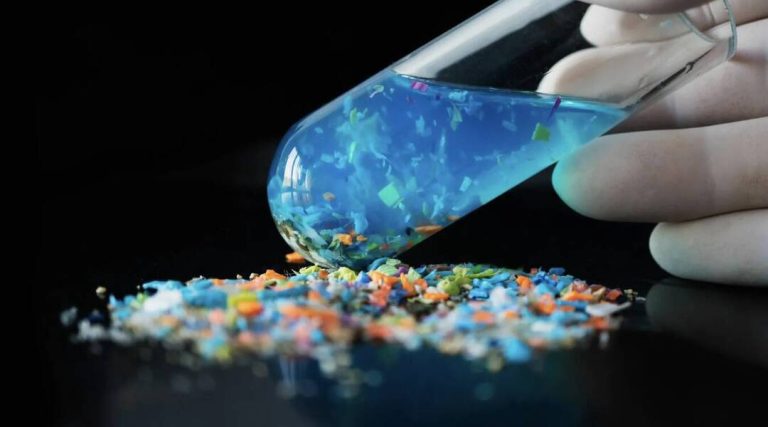
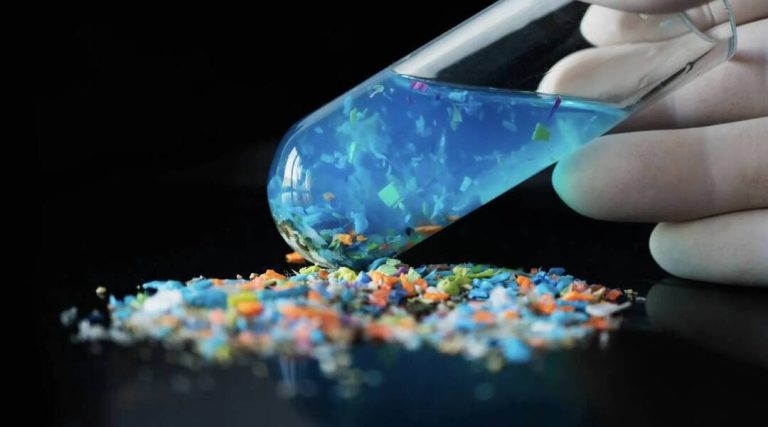
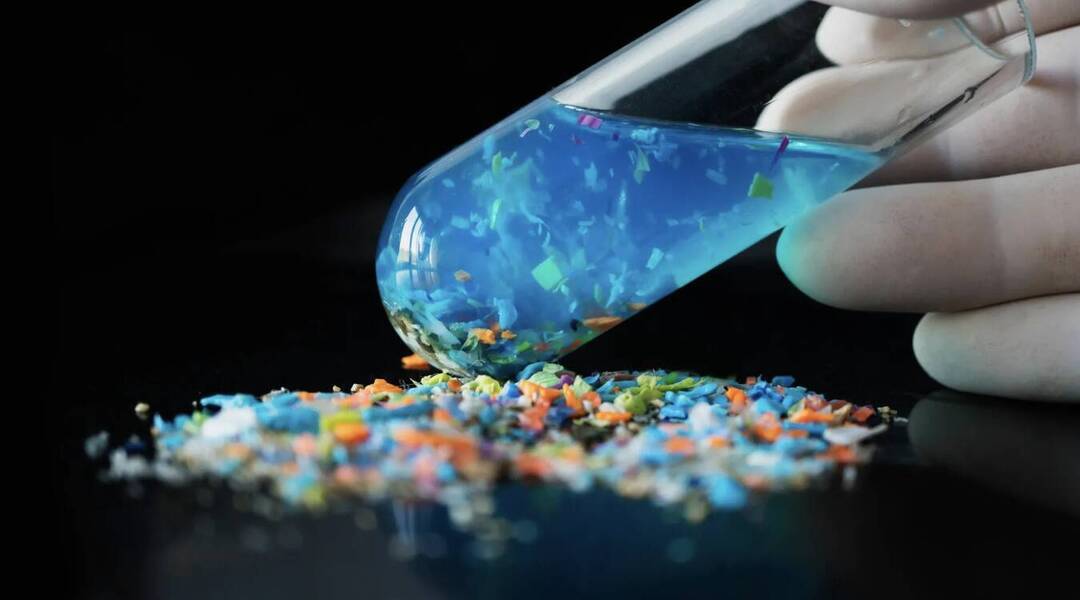
The issue of microplastics in our environment has been a growing concern in recent years. These tiny plastic particles, which are less than 5 millimeters in size, have been found to be ubiquitous in our waterways, from rivers and lakes to oceans. While we have known that microplastics can harm aquatic life and even contaminate the food chain, a recent study has revealed a new and alarming aspect of their impact on the environment. According to the study, microplastics in water release invisible clouds of chemicals into the surrounding water, driven by sunlight.
The study, which examined four common types of plastics, found that each type releases its own unique mixture of chemicals into the water. The researchers were surprised to discover that plastics labeled as biodegradable released the most chemicals, highlighting the complexity of the issue. The dissolved organic matter (DOM) released by microplastics was found to be more biologically active than natural organic matter, which can have significant implications for the health of aquatic ecosystems.
The study’s findings are alarming, as they suggest that microplastics are not just passive particles in the water, but are actually actively releasing chemicals that can affect the surrounding environment. The release of these chemicals is driven by sunlight, which means that the problem is likely to be worse in sunny areas. The researchers used a combination of laboratory experiments and field measurements to study the release of chemicals from microplastics, and their results provide new insights into the impact of microplastics on the environment.
One of the most significant findings of the study is that biodegradable plastics release the most chemicals. This is surprising, as biodegradable plastics are often marketed as a more environmentally friendly alternative to traditional plastics. However, the study suggests that these plastics may not be as benign as we thought. The researchers found that biodegradable plastics released a unique mixture of chemicals that was different from the mixture released by traditional plastics.
The release of chemicals from microplastics can have significant implications for the health of aquatic ecosystems. The DOM released by microplastics can affect the growth and development of aquatic organisms, and can even alter the composition of microbial communities. The study’s findings suggest that microplastics are not just a problem for the environment, but also for human health. As we drink water from rivers, lakes, and oceans, we may be ingesting these chemicals, which can have unknown effects on our health.
The study’s results also highlight the need for more research into the impact of microplastics on the environment. While we have known that microplastics are a problem, we still have much to learn about their effects on aquatic ecosystems. The researchers suggest that further studies are needed to fully understand the release of chemicals from microplastics and their impact on the environment.
In addition to the need for more research, the study’s findings also highlight the need for action to reduce the amount of microplastics in our waterways. This can involve a range of measures, from reducing our use of plastics to improving waste management practices. Governments and individuals can work together to reduce the amount of microplastics in the environment, and to mitigate their impact on aquatic ecosystems.
In conclusion, the study’s findings are a wake-up call for all of us. Microplastics are not just a problem for the environment, but also for human health. The release of invisible chemical clouds from microplastics is a complex issue that requires further research and action to mitigate its impact. As we move forward, it is essential that we take a comprehensive approach to addressing the issue of microplastics, from reducing our use of plastics to improving our understanding of their effects on the environment.
The study’s results are a reminder that the impact of human activities on the environment is often more complex and far-reaching than we realize. As we continue to learn more about the effects of microplastics on the environment, it is essential that we take a proactive approach to reducing their impact. This can involve making changes to our daily lives, such as reducing our use of plastics and supporting organizations that work to protect the environment.
Ultimately, the issue of microplastics is a global problem that requires a global response. We must work together to reduce the amount of microplastics in our waterways and to mitigate their impact on aquatic ecosystems. By taking action to address this issue, we can help to protect the health of our planet and ensure a sustainable future for generations to come.
News Source: https://www.sciencedaily.com/releases/2025/12/251224032408.htm
About the Author