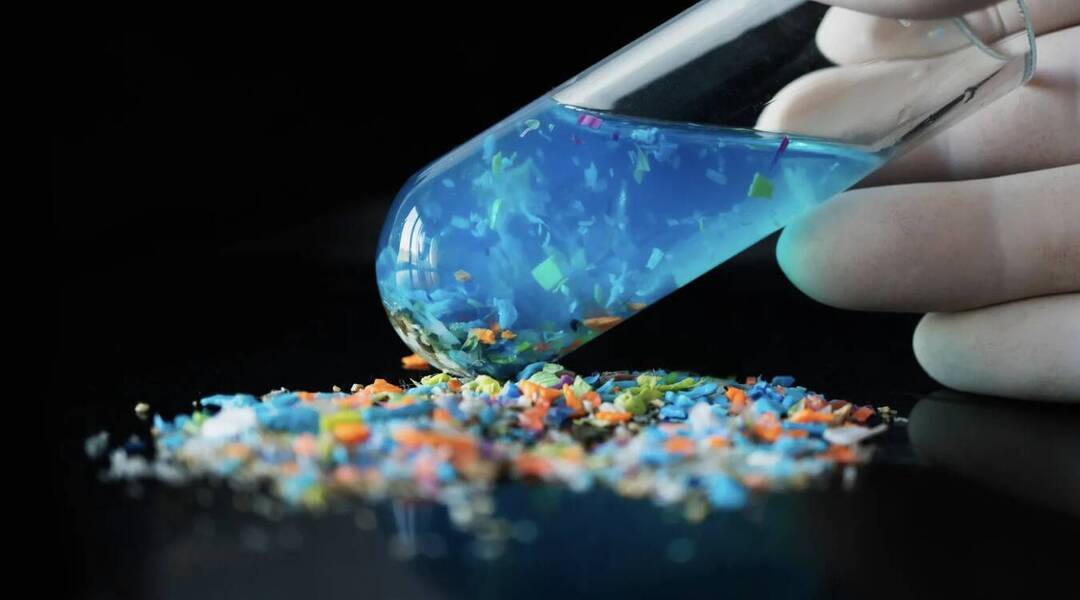
Microplastics leak invisible chemical clouds into water: Study
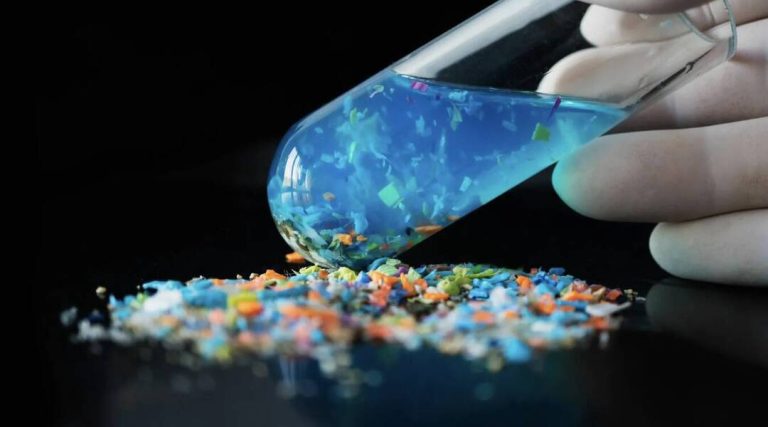
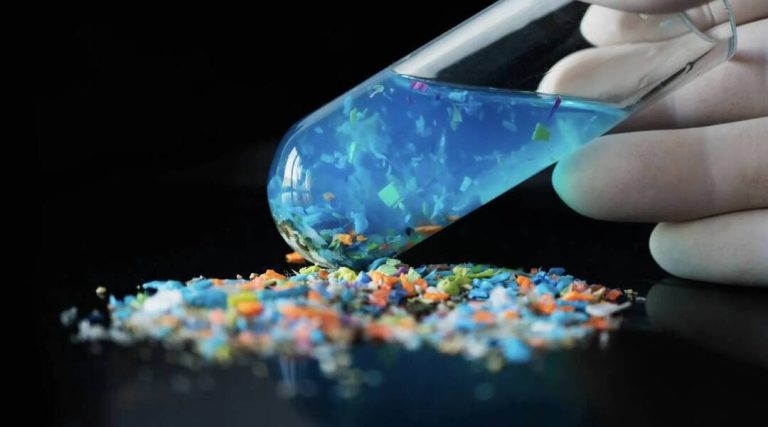
The world’s water bodies, from rivers and lakes to oceans, are facing a growing threat from microplastics. These tiny plastic particles, which are less than 5 millimeters in size, have been found to be ubiquitous in aquatic environments, with devastating consequences for marine life and human health. A recent study has shed new light on the dangers of microplastics, revealing that they release invisible clouds of chemicals into the water, driven by sunlight. The findings of this study are alarming, and they highlight the need for urgent action to address the problem of microplastic pollution.
The study, which examined four common types of plastics, found that each type releases its own unique mixture of chemicals into the water. The researchers discovered that plastics labeled as biodegradable release the most chemicals, which is a surprising and disturbing finding. Biodegradable plastics are often touted as a more environmentally friendly alternative to traditional plastics, but this study suggests that they may be just as harmful, if not more so.
The chemicals released by microplastics are known as dissolved organic matter (DOM), and they are more biologically active than natural organic matter. This means that they have a greater potential to harm aquatic life, from tiny microorganisms to large fish and other animals. The DOM released by microplastics can also interact with other pollutants in the water, such as heavy metals and pesticides, to create a toxic cocktail that can have far-reaching consequences for the environment and human health.
The study’s findings are based on experiments that involved exposing microplastics to sunlight and then measuring the chemicals that were released. The researchers used a technique called ultrahigh-resolution mass spectrometry to identify and quantify the chemicals in the DOM. They found that the DOM released by microplastics was rich in oxygen-containing compounds, which are known to be highly reactive and potentially toxic.
One of the most significant implications of this study is that microplastics can contaminate water even if they are not ingested by animals. The invisible clouds of chemicals that they release can be absorbed by aquatic organisms, causing harm and even death. This means that the impact of microplastics on the environment is likely to be much greater than previously thought, and that urgent action is needed to reduce the amount of plastic waste that enters the water.
The study’s authors suggest that reducing the amount of plastic waste that enters the environment is crucial to mitigating the impact of microplastics. They recommend implementing policies to reduce plastic use, increasing recycling rates, and improving waste management practices. They also suggest that more research is needed to understand the effects of microplastics on human health and the environment, and to develop effective strategies for removing microplastics from the water.
The findings of this study are a wake-up call for governments, businesses, and individuals around the world. Microplastic pollution is a global problem that requires a global response, and it is up to all of us to take action to reduce our plastic use and prevent microplastics from entering the environment. This can involve making simple changes to our daily lives, such as using reusable bags and water bottles, avoiding products that contain microbeads, and recycling as much as possible.
In addition to individual actions, governments and businesses must also take steps to address the problem of microplastic pollution. This can involve implementing policies to reduce plastic use, increasing funding for research and development of new technologies to remove microplastics from the water, and promoting education and awareness about the dangers of microplastics.
In conclusion, the study’s findings are a stark reminder of the dangers of microplastic pollution and the need for urgent action to address this problem. Microplastics are not just a nuisance, but a serious threat to the environment and human health. By working together, we can reduce the amount of plastic waste that enters the environment, mitigate the impact of microplastics, and create a healthier, more sustainable future for all.
News Source: https://www.sciencedaily.com/releases/2025/12/251224032408.htm
About the Author