I am a Maker, Not a Taker like Bernie Sanders: Elon Musk
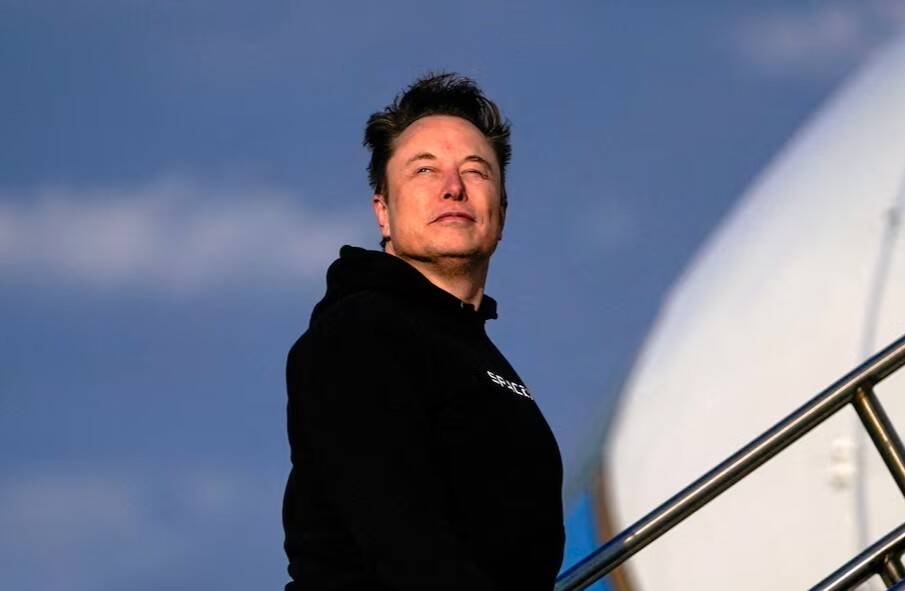
In a recent statement, billionaire entrepreneur Elon Musk has drawn a clear distinction between his approach to wealth creation and that of politicians like Bernie Sanders. Musk, who has built his fortune through innovative ventures such as Tesla and SpaceX, believes that his wealth is a direct result of producing value for society, rather than taking from others. This philosophy is at the heart of his response to critics who argue that the wealthy should be subject to higher taxes and greater regulation.
Musk’s comments came in response to ongoing debates about wealth inequality and the role of taxation in addressing it. While some argue that the wealthy should be required to contribute more to the public purse, Musk sees himself as a “maker,” someone who creates value through innovation and hard work. In contrast, he views politicians like Bernie Sanders as “takers,” individuals who rely on the wealth created by others to fund their policies and programs.
The distinction between makers and takers is not just a matter of semantics; it reflects fundamentally different approaches to economics and social policy. Makers like Musk believe that wealth is created through innovation, entrepreneurship, and hard work. They see themselves as driving forces behind economic growth and job creation, and argue that their success should be rewarded, not penalized.
On the other hand, takers like Bernie Sanders often view wealth as a zero-sum game, in which one person’s gain must come at the expense of another. They argue that the wealthy have a responsibility to contribute to the public good, and that higher taxes and regulation are necessary to ensure that everyone pays their fair share. While this approach may be motivated by a desire to reduce inequality and promote social justice, it can also be seen as punitive, discouraging innovation and entrepreneurship in the process.
Musk’s own wealth, which is tied to the success of Tesla and SpaceX, is a prime example of the maker mentality in action. As he noted, his wealth “can only increase due to producing more products and services for the public.” This is because the value of his companies is directly linked to their ability to innovate and meet the needs of their customers. The more successful they are, the more wealth they create, not just for Musk, but for their employees, shareholders, and the broader community.
In contrast, politicians like Bernie Sanders often rely on taxation and regulation to achieve their policy goals. While these tools can be effective in redistributing wealth and promoting social justice, they can also have unintended consequences, such as discouraging innovation and entrepreneurship. By increasing the tax burden on the wealthy, for example, governments may inadvertently reduce the incentives for people to start new businesses or invest in existing ones.
Musk’s comments also reflect a deeper philosophical difference between makers and takers. Makers tend to view themselves as responsible for their own success, and believe that their hard work and innovation are the primary drivers of their wealth. Takers, on the other hand, often view wealth as a matter of luck or circumstance, and believe that the government has a responsibility to redistribute it more fairly.
This debate is not just about economics; it is also about the kind of society we want to create. Do we want to encourage innovation and entrepreneurship, or do we want to rely on the government to redistribute wealth? Do we want to reward hard work and risk-taking, or do we want to penalize success?
Ultimately, the distinction between makers and takers is not a binary one. Most people are a combination of both, and the economy is complex and multifaceted. However, by recognizing the importance of innovation and entrepreneurship, we can create a more dynamic and prosperous society, one that rewards hard work and risk-taking, and promotes economic growth and job creation.
As Musk noted, “I am a maker, not a taker like the Bernie Sanders-type politicians of the world.” This statement reflects a fundamental difference in approach and philosophy, one that has significant implications for our economy and our society. By embracing the maker mentality, we can create a more innovative and prosperous future, one that benefits everyone, not just the wealthy.
News Source: https://x.com/elonmusk/status/2006014310607167607
About the Author