I am a maker, not a taker like Bernie Sanders: Elon Musk
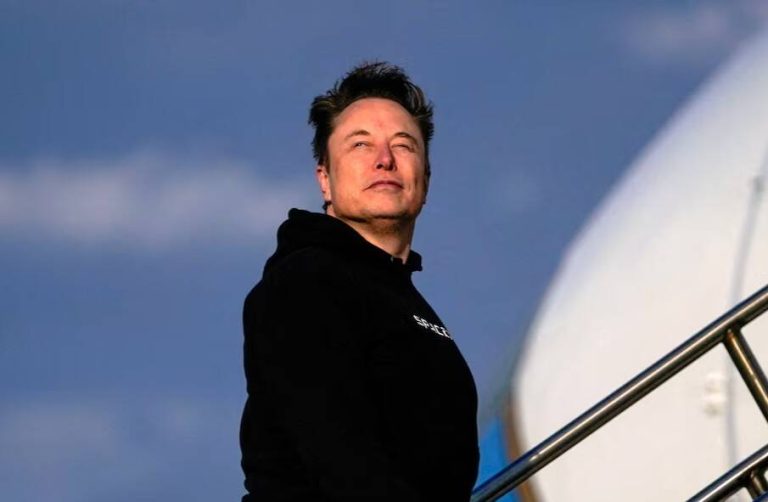
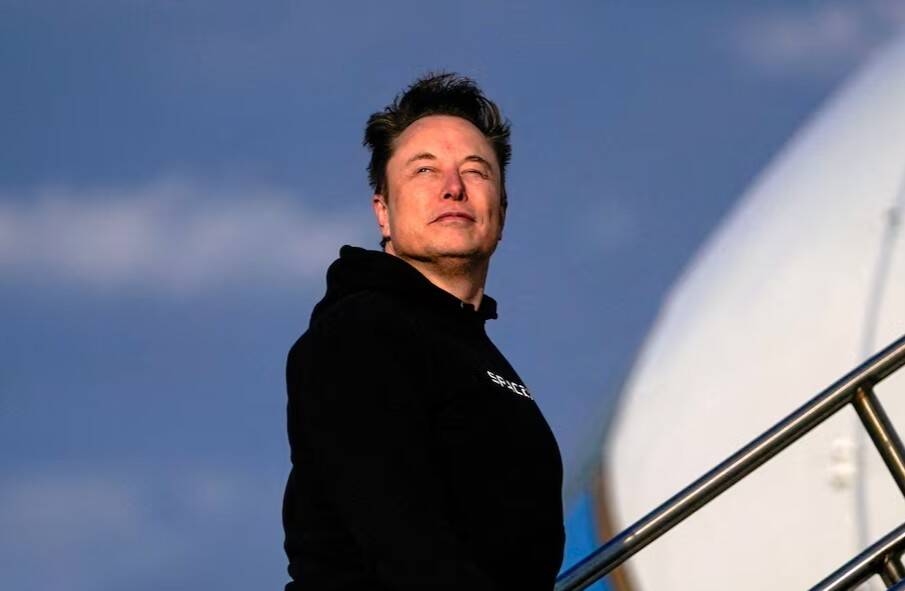
In a recent statement, billionaire entrepreneur Elon Musk sparked a heated debate by drawing a distinction between himself and politicians like Bernie Sanders. Musk, who has built his fortune through innovative ventures such as Tesla and SpaceX, claimed that his wealth is a direct result of his ability to produce goods and services that benefit the public. He contrasted this with what he perceives as the approach of certain politicians, who he believes prioritize taking from others rather than creating value themselves.
Musk’s comments were made in response to criticisms of his wealth and the wealth of other billionaires. He argued that most of his wealth, which is tied to Tesla and SpaceX shares, can “only increase due to producing more products and services for the public.” This, he believes, is a key difference between himself and politicians like Bernie Sanders, who he claims take from others without creating any value in return.
“That is because I am a maker, not a taker like the Bernie Sanders-type politicians of the world,” Musk stated. “They take…because they cannot or will not make,” he added. This statement reflects Musk’s belief that his success is a result of his own hard work and innovative spirit, rather than any attempt to exploit or take from others.
Musk’s comments have sparked a lively debate about the nature of wealth and the role of entrepreneurs in society. On one hand, many people admire Musk’s ability to create innovative products and services that have transformed industries and improved people’s lives. They see him as a true visionary and a maker, who has earned his wealth through his own efforts and talents.
On the other hand, others argue that Musk’s wealth is not solely the result of his own efforts, but is also the result of a complex web of social and economic factors. They point out that Musk’s companies have received significant government subsidies and tax breaks, and that his success is also due to the hard work and dedication of his employees. According to this view, Musk’s wealth is not just a result of his own making, but is also the result of a broader social and economic context that has enabled his success.
Furthermore, some critics argue that Musk’s comments about Bernie Sanders and other politicians are unfair and misguided. They point out that politicians like Sanders are not simply “takers” who are seeking to exploit others for their own gain. Rather, they are public servants who are working to create a more just and equitable society, and who are advocating for policies that benefit the broader public interest.
In addition, some have also criticized Musk for his simplistic and binary view of the world, which divides people into “makers” and “takers”. This view ignores the complexity and nuance of real-world issues, and fails to recognize the many different ways in which people contribute to society. It also overlooks the fact that many people, including entrepreneurs and business leaders, often rely on government support and social services to succeed.
Despite these criticisms, Musk’s comments have sparked an important conversation about the nature of wealth and the role of entrepreneurs in society. They highlight the need for a more nuanced and balanced view of the relationship between individual effort and social context, and the importance of recognizing the many different ways in which people contribute to society.
Ultimately, the debate surrounding Musk’s comments reflects a deeper tension between two competing visions of how society should be organized. On one hand, there is the vision of a society that is driven by individual initiative and entrepreneurship, where people are free to pursue their own goals and ambitions without interference from the government. On the other hand, there is the vision of a society that is driven by a sense of social responsibility and collective well-being, where the government plays a key role in ensuring that everyone has access to the resources and opportunities they need to thrive.
As we consider these competing visions, it is worth reflecting on the role that entrepreneurs like Musk can play in creating a more just and equitable society. While Musk’s comments may have been provocative and divisive, they also highlight the importance of innovation and entrepreneurship in driving social progress. By creating new products and services that benefit the public, entrepreneurs like Musk can help to create jobs, stimulate economic growth, and improve people’s lives.
However, this does not mean that entrepreneurs like Musk should be exempt from criticism or scrutiny. Rather, it means that we should recognize the complex and multifaceted nature of their role in society, and work to create a more nuanced and balanced view of their contributions. By doing so, we can build a more just and equitable society that rewards innovation and entrepreneurship, while also ensuring that everyone has access to the resources and opportunities they need to thrive.
In conclusion, Elon Musk’s comments about being a “maker, not a taker” have sparked a lively debate about the nature of wealth and the role of entrepreneurs in society. While his views may be provocative and divisive, they also highlight the importance of innovation and entrepreneurship in driving social progress. As we consider the role of entrepreneurs like Musk in creating a more just and equitable society, we should strive to create a more nuanced and balanced view of their contributions, and work to build a society that rewards individual initiative and social responsibility.
News Source: https://x.com/elonmusk/status/2006014310607167607
About the Author