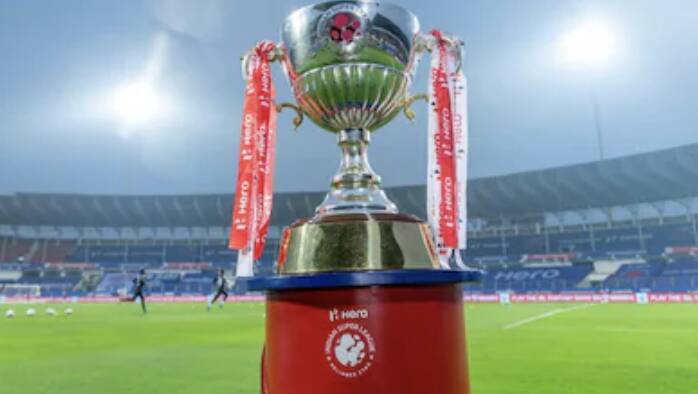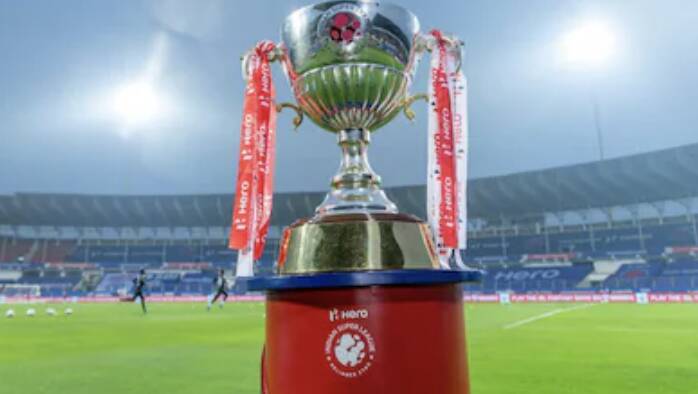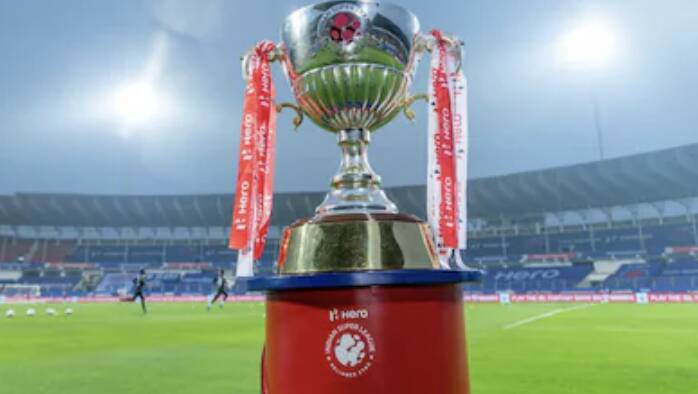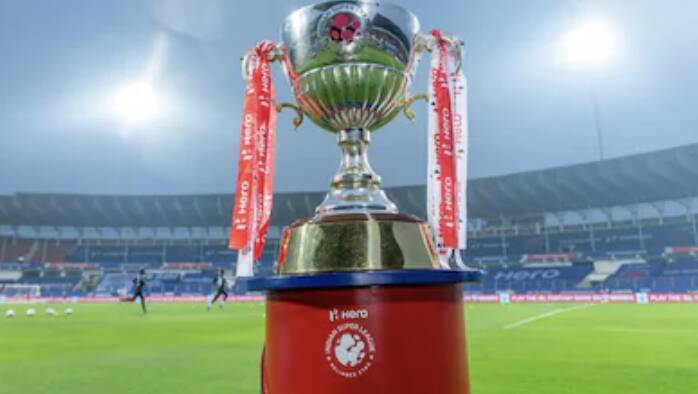
Clubs demand no participation fee, AIFF funding for ISL restart
The Indian Super League (ISL) has been facing an uncertain future, with the 2025-2026 season delayed due to various reasons. However, in a recent development, 13 out of the 14 ISL clubs have come together to demand certain conditions from the All India Football Federation (AIFF) in order to participate in the upcoming season. The clubs have stated that they “may be ready and willing” to participate in the delayed season, but only if there is no participation fee and the federation covers the operational costs.
This move by the clubs is seen as a significant step towards finding a solution to the ongoing crisis in Indian football. The ISL, which was launched in 2014, has been struggling to gain traction and stability, with various issues plaguing the league, including financial constraints, poor infrastructure, and a lack of clear governance structure. The clubs’ demand for no participation fee and AIFF funding is a clear indication of the financial struggles that they are facing, and the need for support from the federation to ensure the smooth functioning of the league.
The participation fee, which is paid by the clubs to participate in the ISL, has been a major point of contention. The fee, which can range from Rs 10 crore to Rs 15 crore per season, is seen as a significant burden on the clubs, many of which are already struggling to stay afloat financially. By demanding that the AIFF waive the participation fee, the clubs are essentially asking the federation to take on the financial responsibility of running the league, at least for the upcoming season.
In addition to the demand for no participation fee, the clubs have also requested a clear, time-bound roadmap for the league’s long-term commercial, governance, and financially sustainable structure. This is a crucial aspect, as the ISL has been criticized for its lack of transparency and accountability, with many questioning the league’s financial health and governance structure. The clubs’ demand for a roadmap is an attempt to ensure that the league is put on a sustainable footing, with a clear plan for the future.
The AIFF, which is the governing body of football in India, has a significant role to play in resolving the crisis. The federation has been under pressure to find a solution to the ongoing issues in Indian football, and the clubs’ demand for funding and a roadmap is a clear indication of the need for urgent action. The AIFF will need to carefully consider the clubs’ demands and find a way to address their concerns, while also ensuring that the league is run in a financially sustainable manner.
One of the key challenges facing the AIFF is finding a way to fund the ISL. The federation has limited resources, and funding the league will require significant investment. However, the AIFF may need to consider finding ways to generate revenue, such as through sponsorships, broadcasting rights, and ticket sales. The federation may also need to explore options for reducing costs, such as by streamlining the league’s operations and reducing the number of teams participating.
The clubs’ demand for a clear roadmap is also a significant challenge for the AIFF. The federation will need to work with the clubs, as well as other stakeholders, to develop a comprehensive plan for the league’s future. This will require careful consideration of various factors, including the league’s financial health, governance structure, and commercial viability. The AIFF will also need to ensure that the plan is transparent and accountable, with clear goals and objectives.
In conclusion, the demand by 13 ISL clubs for no participation fee and AIFF funding is a significant development in the ongoing crisis in Indian football. The clubs’ demand for a clear roadmap for the league’s long-term commercial, governance, and financially sustainable structure is also a crucial aspect. The AIFF will need to carefully consider the clubs’ demands and find a way to address their concerns, while also ensuring that the league is run in a financially sustainable manner. The future of the ISL, and Indian football as a whole, depends on finding a solution to the ongoing crisis.
The AIFF and the clubs will need to work together to find a way forward, and to ensure that the ISL is put on a sustainable footing. This will require significant investment, as well as a clear plan for the future. The Indian football community will be watching with bated breath, as the drama unfolds, and the fate of the ISL hangs in the balance.
News Source: https://repository.inshorts.com/articles/en/PTI/292a827d-c3c4-4cd5-a4cf-6feefaf14e41
About the Author