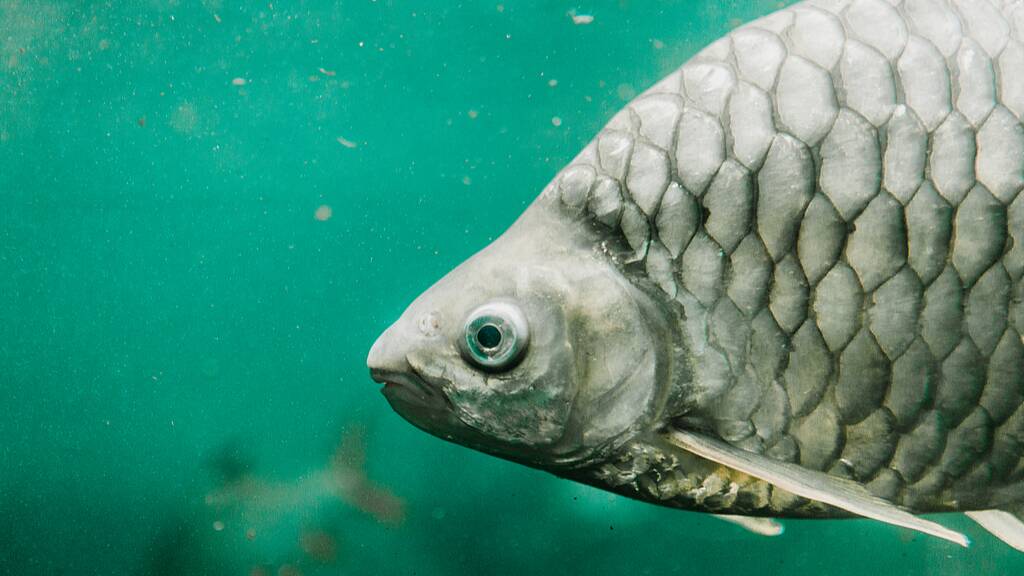
‘Bone-free’ fish created in China
In a groundbreaking achievement, Chinese scientists have successfully created a new strain of gibel carp fish that is virtually free of intermuscular bones. This innovative breakthrough, made possible by the use of CRISPR gene-editing technology, has significant implications for the food industry and consumers alike. The development of ‘bone-free’ fish is expected to reduce the risk of choking and make eating fish a safer and more enjoyable experience.
The research, conducted by scientists at the Chinese Academy of Sciences, focused on disabling a specific gene responsible for the growth of intermuscular bones, also known as pinbones, in fish. These fine bones, which are embedded in the flesh of the fish, can be a nuisance to eat and pose a choking hazard, particularly for young children and the elderly. By using CRISPR gene-editing, the scientists were able to selectively disable the gene responsible for the development of these bones, while leaving the fish’s main skeleton intact.
The gibel carp, a species of freshwater fish, was chosen for this study due to its popularity as a food fish in China and other parts of Asia. The fish is known for its delicate flavor and firm texture, making it a favorite among consumers. However, like many other species of fish, the gibel carp contains numerous intermuscular bones that can make it difficult to eat.
The use of CRISPR gene-editing technology has revolutionized the field of genetics and has opened up new possibilities for the development of novel traits in plants and animals. The CRISPR system, which stands for Clustered Regularly Interspaced Short Palindromic Repeats, allows scientists to precisely edit genes by cutting out or replacing specific sequences of DNA. This technology has been used to develop a range of innovative products, including disease-resistant crops and genetically engineered animals.
In the case of the ‘bone-free’ fish, the scientists used CRISPR gene-editing to target the gene responsible for the growth of intermuscular bones. By disabling this gene, they were able to prevent the formation of these bones, resulting in a fish that is virtually bone-free. The breakthrough has significant implications for the food industry, as it could reduce the risk of choking and make eating fish a safer experience for consumers.
The development of ‘bone-free’ fish is also expected to have economic benefits for the fishing industry. Fish with fewer bones are easier to process and can be sold at a higher price, making them more profitable for fishermen and seafood companies. Additionally, the reduced risk of choking could lead to increased demand for fish, as consumers become more confident in the safety of the product.
While the development of ‘bone-free’ fish is a significant achievement, it also raises important questions about the use of genetic engineering in food production. Some consumers may be concerned about the safety of genetically engineered foods, and there may be regulatory hurdles to overcome before these products can be sold in markets.
However, the scientists behind the ‘bone-free’ fish are confident that their product is safe and poses no risk to human health. They point out that the genetic modification is limited to a specific gene and does not involve the introduction of any foreign genes or substances. The fish is also expected to be labeled as genetically engineered, allowing consumers to make informed choices about the products they buy.
In conclusion, the creation of ‘bone-free’ fish in China is a significant breakthrough that has the potential to revolutionize the food industry. The use of CRISPR gene-editing technology has enabled scientists to develop a novel trait that reduces the risk of choking and makes eating fish a safer experience. While there may be regulatory and consumer hurdles to overcome, the development of ‘bone-free’ fish is an exciting example of the innovative products that can be developed using genetic engineering.
News Source: https://www.republicworld.com/science/boneless-fish-created-by-china-in-lab-after-years-of-research
About the Author