Magnitude 6 Earthquake Hits Japan on New Year’s Eve
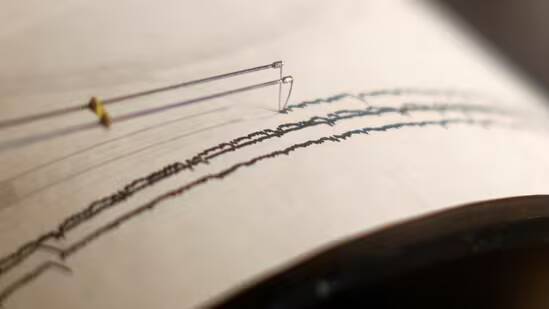
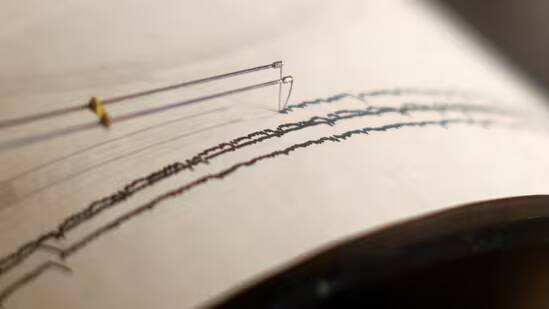
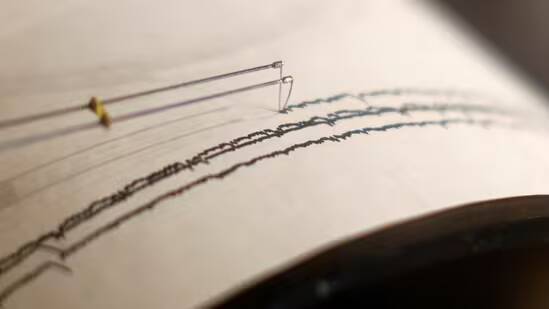
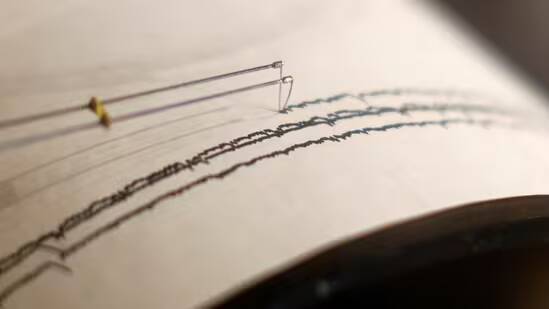
As the world welcomed the start of a new year, Japan was hit by a significant earthquake on New Year’s Eve. According to the United States Geological Survey (USGS), a magnitude 6 earthquake struck the eastern Noda region of Japan, causing concern among residents and authorities. Fortunately, no casualties or injuries were reported immediately, and the country breathed a sigh of relief as the new year began.
The earthquake occurred at a depth of 19.3 km (11.99 miles), with the epicenter located at 40.112°N, 142.889°E. The USGS reported that the quake hit the region at a time when many people were preparing to celebrate the start of a new year. The earthquake was strong enough to be felt in several parts of the country, but its impact was relatively limited due to its depth and location.
Japan is a country prone to earthquakes due to its location on the Pacific Ring of Fire, where several tectonic plates meet. The country has a long history of devastating earthquakes, including the 2011 Tohoku earthquake and tsunami that killed thousands of people and caused widespread destruction. As a result, Japan has developed a robust earthquake early warning system and strict building codes to minimize the impact of such disasters.
In this case, the earthquake was not strong enough to trigger a tsunami warning, and the Japan Meteorological Agency did not issue any alerts. The quake was, however, strong enough to cause some disruption to daily life, with several train services halted temporarily as a precautionary measure.
The Noda region, where the earthquake occurred, is a rural area with a relatively small population. The region is known for its natural beauty, with rugged coastlines and picturesque villages. While the earthquake did not cause any significant damage to buildings or infrastructure, it did serve as a reminder of the importance of earthquake preparedness and disaster mitigation.
The Japanese government has been working to improve its disaster response capabilities in recent years, including the development of advanced early warning systems and the conduct of regular evacuation drills. These efforts have helped to reduce the impact of earthquakes and other natural disasters, and the country is widely recognized as a leader in disaster risk reduction.
As the new year begins, the earthquake serves as a reminder of the importance of being prepared for natural disasters. Japan’s experience in dealing with earthquakes and other disasters has provided valuable lessons for other countries, and its expertise in this area is highly regarded around the world.
In conclusion, the magnitude 6 earthquake that hit Japan’s eastern Noda region on New Year’s Eve was a significant event that highlighted the importance of earthquake preparedness and disaster mitigation. While the quake did not cause any significant damage or casualties, it served as a reminder of the potential risks associated with living in a seismically active region. As the world looks to the future, it is essential to learn from Japan’s experience and work towards reducing the impact of natural disasters.
The earthquake also highlights the importance of international cooperation in disaster risk reduction. The USGS, which reported the earthquake, is a leading agency in the field of seismology, and its data and expertise are widely used around the world. The agency’s work in monitoring earthquakes and providing early warnings is critical to saving lives and reducing the impact of disasters.
As we move forward into the new year, it is essential to prioritize disaster risk reduction and work towards creating a safer and more resilient world. This includes investing in early warning systems, conducting regular evacuation drills, and promoting public awareness of the risks associated with natural disasters.
In Japan, the earthquake has prompted a renewed focus on disaster preparedness, with many residents taking steps to ensure that they are prepared for future earthquakes. This includes stocking up on emergency supplies, practicing evacuation drills, and staying informed about the latest developments in earthquake science and disaster risk reduction.
The Japanese government has also announced plans to review its disaster response capabilities and identify areas for improvement. This includes investing in new technologies, such as advanced early warning systems, and promoting international cooperation in disaster risk reduction.
As the world looks to the future, it is clear that disaster risk reduction will be a critical component of creating a safer and more resilient world. The magnitude 6 earthquake that hit Japan on New Year’s Eve serves as a reminder of the importance of this work and the need for continued investment and cooperation in this area.
About the Author