We pay for even water, celebrities get paid in crores: Delivery worker
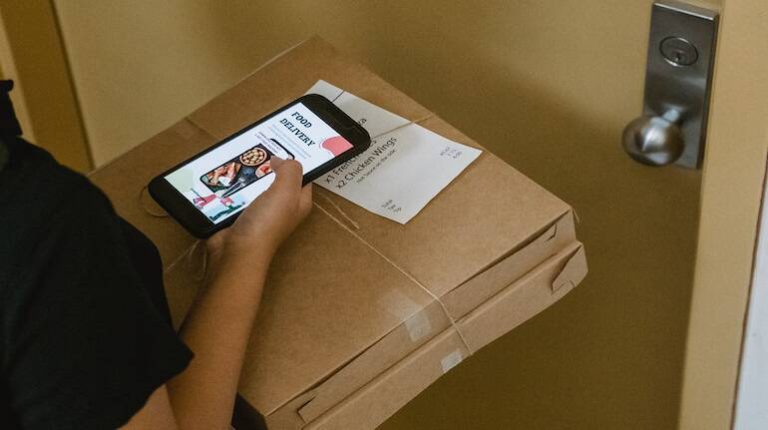
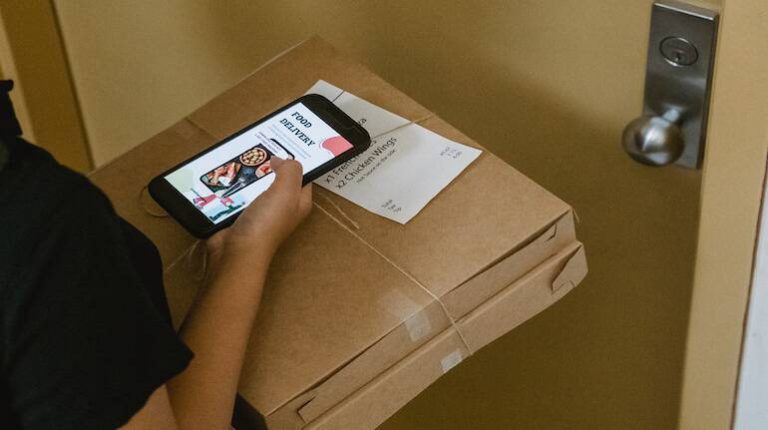
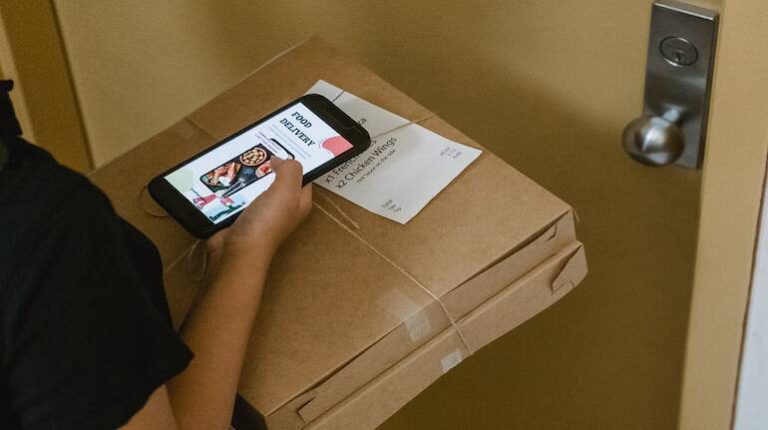
The gig economy has become an integral part of our daily lives, with food delivery and e-commerce platforms relying heavily on a vast network of delivery workers to get products to customers’ doorsteps. However, behind the convenience and efficiency of these services lies a harsh reality: the exploitation of delivery workers. Recently, a delivery agent participating in a nationwide strike of gig workers shared his frustrations, highlighting the stark contrast between the treatment of celebrities and delivery partners by these companies.
The delivery agent pointed out that companies are willing to pay crores to celebrities for advertisements, but when it comes to their own delivery partners, they are expected to pay for everything, including helmets and water. This raises a fundamental question: why can’t these companies provide their delivery workers with basic safety gear and water? The agent’s statement is a scathing critique of the exploitation faced by gig workers, who are the backbone of the online delivery industry.
The delivery agent, who has been working since 2022, shared that his earnings have only declined over time. This is a common experience among many gig workers, who face uncertainty and instability in their livelihoods. Despite being an essential part of the online delivery ecosystem, they are not treated with the dignity and respect they deserve. The fact that they have to pay for even basic necessities like water and safety gear is a stark reminder of the power imbalance between companies and their delivery workers.
The strike by gig workers is a testament to their growing frustration and desperation. They are demanding better working conditions, fair pay, and social security benefits. However, their demands often fall on deaf ears, as companies prioritize profits over people. The treatment of delivery workers is a reflection of the broader societal attitude towards workers in the gig economy. They are often seen as disposable and expendable, rather than as human beings deserving of respect and dignity.
The comparison between the treatment of celebrities and delivery workers is particularly striking. While celebrities are paid crores for endorsing products, delivery workers are expected to work long hours for meager pay, without even basic safety gear or access to water. This highlights the skewed priorities of companies, which are more concerned with their brand image and profits than with the well-being of their workers.
The issue of exploitation of gig workers is not limited to India; it is a global phenomenon. In many countries, gig workers are fighting for their rights, demanding better pay, benefits, and working conditions. The rise of the gig economy has created new challenges for workers, who are often classified as independent contractors rather than employees. This classification denies them access to basic labor rights, such as minimum wage, overtime pay, and social security benefits.
In India, the gig economy is projected to grow significantly in the coming years, with millions of workers expected to join the sector. However, the lack of regulation and oversight has created a Wild West scenario, where companies are free to exploit workers with impunity. The government needs to step in and regulate the gig economy, ensuring that workers are treated with dignity and respect.
The strike by gig workers is a wake-up call for companies and policymakers. It highlights the need for urgent action to address the exploitation of delivery workers and ensure that they are treated fairly. Companies need to recognize the value of their delivery workers and provide them with basic safety gear, fair pay, and social security benefits. The government needs to regulate the gig economy, ensuring that workers are protected from exploitation and have access to basic labor rights.
In conclusion, the statement by the delivery agent highlights the stark contrast between the treatment of celebrities and delivery workers by online delivery platforms. While companies are willing to pay crores to celebrities for advertisements, they expect their delivery workers to pay for everything, including helmets and water. This is a reflection of the broader societal attitude towards workers in the gig economy, who are often seen as disposable and expendable. The strike by gig workers is a call to action, demanding better working conditions, fair pay, and social security benefits. It is time for companies and policymakers to take notice and ensure that delivery workers are treated with the dignity and respect they deserve.
About the Author