‘Bone-free’ fish created in China
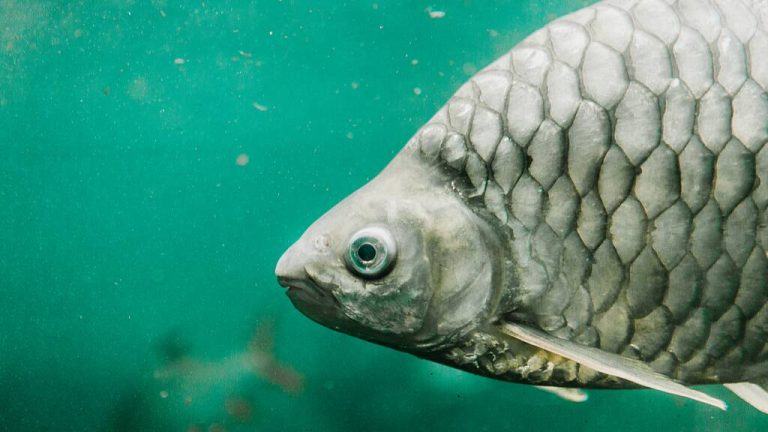
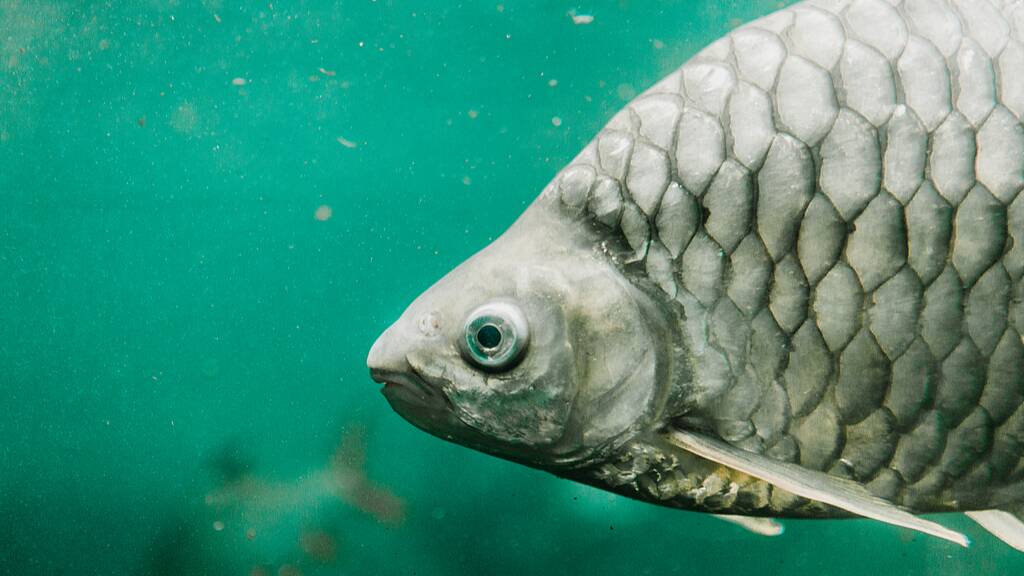
The world of aquaculture has witnessed a significant breakthrough with the creation of a new strain of gibel carp fish that is virtually free of intermuscular bones. This innovative achievement has been made possible by scientists at the Chinese Academy of Sciences, who utilized the CRISPR gene-editing technique to disable a specific gene responsible for the development of these fine bones. The resulting ‘bone-free’ fish is not only safer to eat but also easier to consume, making it an exciting development for the food industry.
The gibel carp, a species of fish commonly consumed in China, typically contains numerous intermuscular bones that can be a nuisance to eaters. These fine bones can get stuck in the throat, posing a choking hazard, especially for young children and the elderly. The removal of these bones through traditional filleting and deboning processes can be time-consuming and labor-intensive, increasing the cost of the final product. The creation of a ‘bone-free’ gibel carp addresses these issues, offering a more convenient and safer alternative for consumers.
The scientists at the Chinese Academy of Sciences employed the CRISPR-Cas9 gene-editing tool to target the gene responsible for the development of intermuscular bones in the gibel carp. CRISPR, which stands for Clustered Regularly Interspaced Short Palindromic Repeats, is a powerful technology that allows researchers to edit genes with unprecedented precision. By introducing a small change to the genome of the fish, the scientists were able to disable the gene, effectively preventing the formation of intermuscular bones.
The breakthrough is significant, as it demonstrates the potential of gene-editing technology to improve the quality and safety of food products. The ‘bone-free’ gibel carp is not only a boon for consumers but also for the fishing industry, which can benefit from reduced processing costs and increased efficiency. The development of this new strain of fish is expected to have a positive impact on the global aquaculture market, which is projected to grow in the coming years.
The use of CRISPR gene-editing technology in agriculture and aquaculture has been gaining momentum in recent years. The technique has been used to develop crops with improved yields, disease resistance, and enhanced nutritional content. In the case of the ‘bone-free’ gibel carp, the application of CRISPR has resulted in a product that is not only safer to eat but also more convenient to prepare.
The ‘bone-free’ gibel carp is still in the early stages of development, and further research is needed to assess its long-term safety and efficacy. However, the initial results are promising, and the breakthrough has the potential to revolutionize the way we produce and consume fish. As the global demand for seafood continues to rise, the development of innovative and sustainable solutions like the ‘bone-free’ gibel carp will play a crucial role in meeting the needs of a growing population.
In conclusion, the creation of a ‘bone-free’ gibel carp in China is a significant achievement that highlights the potential of gene-editing technology to transform the food industry. The use of CRISPR to disable the gene responsible for intermuscular bones has resulted in a product that is safer, easier to eat, and more convenient to prepare. As the world continues to grapple with the challenges of food security and sustainability, innovative solutions like the ‘bone-free’ gibel carp will be essential in meeting the needs of a growing population.
The breakthrough is a testament to the power of scientific research and its ability to improve our lives. The ‘bone-free’ gibel carp is not only a novelty but a game-changer for the food industry, and its impact will be felt for years to come. As we look to the future, it is exciting to think about the potential applications of gene-editing technology in agriculture and aquaculture. The possibilities are endless, and the creation of the ‘bone-free’ gibel carp is just the beginning.
News Source: https://www.republicworld.com/science/boneless-fish-created-by-china-in-lab-after-years-of-research
About the Author