‘Bone-free’ fish created in China
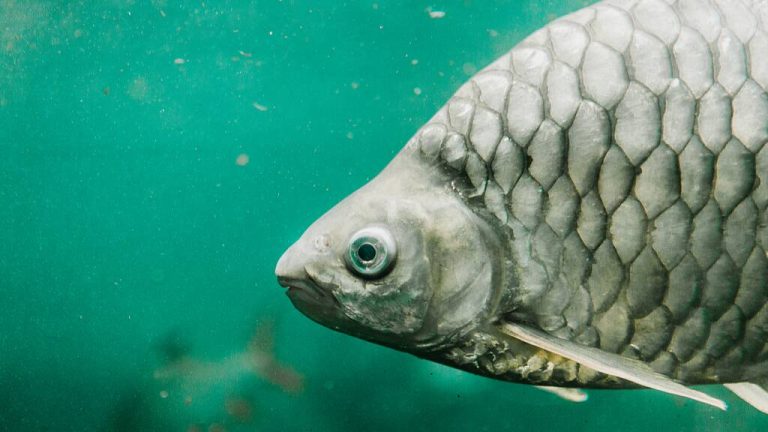
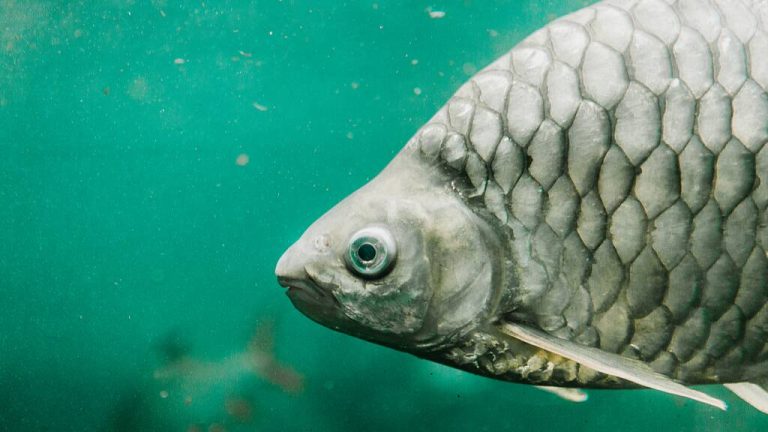
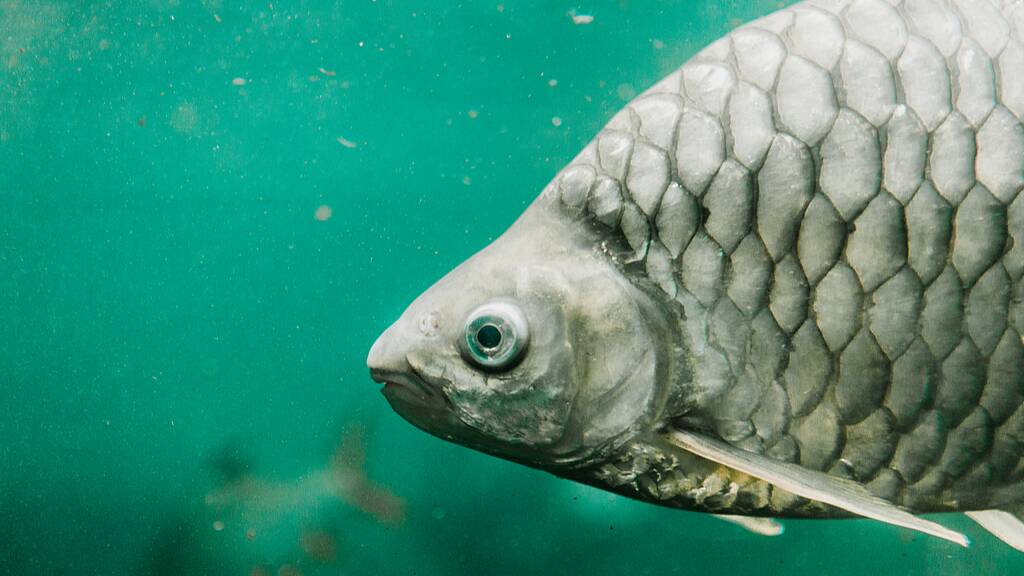
In a groundbreaking achievement, Chinese scientists have successfully created a new strain of gibel carp fish that is virtually free of intermuscular bones. This innovative breakthrough, made possible by the use of CRISPR gene-editing technology, has the potential to revolutionize the way we consume fish. The new strain of fish, developed by scientists at the Chinese Academy of Sciences, is not only safer to eat but also easier to digest, making it an exciting development for the culinary world.
For years, fish lovers have had to contend with the inconvenience and potential danger of intermuscular bones, also known as pin bones, which can get stuck in the throat and cause choking hazards. However, with the creation of this ‘bone-free’ fish, these risks can be significantly reduced. The scientists behind this breakthrough used CRISPR gene-editing to disable a specific gene responsible for the development of these fine bones, while keeping the fish’s main skeleton intact.
The gibel carp, a species of freshwater fish, was chosen for this experiment due to its popularity in Chinese cuisine. The fish is known for its delicate flavor and firm texture, making it a staple in many Chinese dishes. However, like many other species of fish, it contains intermuscular bones that can be a nuisance to eat around. By using CRISPR gene-editing, the scientists were able to target the specific gene responsible for the development of these bones and disable it, resulting in a fish that is virtually bone-free.
The process of creating this ‘bone-free’ fish was not an easy one. It required years of research and experimentation, as well as a deep understanding of the genetic makeup of the gibel carp. The scientists had to carefully identify the gene responsible for the development of intermuscular bones and then use CRISPR gene-editing to disable it. This process involved making precise edits to the fish’s genome, which required a high degree of accuracy and expertise.
The breakthrough could have significant implications for the food industry, particularly in China where fish is a staple in many diets. The creation of ‘bone-free’ fish could reduce the risk of choking hazards, making it a safer option for consumers. Additionally, it could also make the process of preparing and cooking fish easier and more efficient, as chefs and home cooks would no longer have to worry about removing bones from the fish.
The use of CRISPR gene-editing technology has been gaining momentum in recent years, with scientists using it to develop new strains of crops and livestock that are more resilient and disease-resistant. The technology has also been used to develop new treatments for genetic diseases, and its potential applications are vast and varied.
In the case of the ‘bone-free’ fish, the use of CRISPR gene-editing has opened up new possibilities for the food industry. The technology has allowed scientists to make precise edits to the fish’s genome, resulting in a product that is safer and more convenient to eat. As the technology continues to evolve and improve, it is likely that we will see more innovative applications of CRISPR gene-editing in the food industry.
The creation of ‘bone-free’ fish is also a testament to the power of scientific collaboration and innovation. The scientists behind this breakthrough worked tirelessly for years to develop this new strain of fish, and their dedication and expertise have paid off. The breakthrough is a reminder that science and technology have the power to transform our lives and improve our daily experiences.
In conclusion, the creation of ‘bone-free’ fish in China is a significant breakthrough that has the potential to revolutionize the way we consume fish. The use of CRISPR gene-editing technology has allowed scientists to develop a new strain of fish that is safer and easier to eat, making it an exciting development for the culinary world. As the technology continues to evolve and improve, it is likely that we will see more innovative applications of CRISPR gene-editing in the food industry.
News Source: https://www.republicworld.com/science/boneless-fish-created-by-china-in-lab-after-years-of-research
About the Author