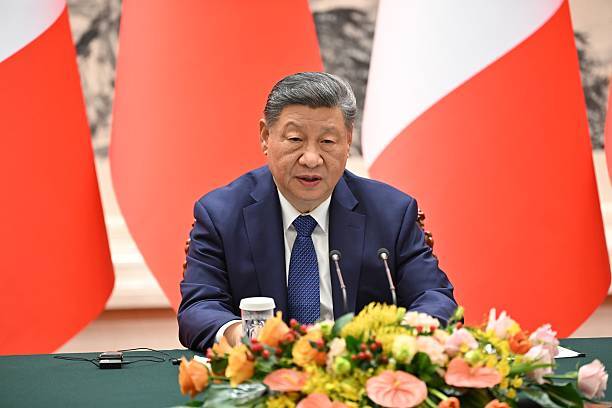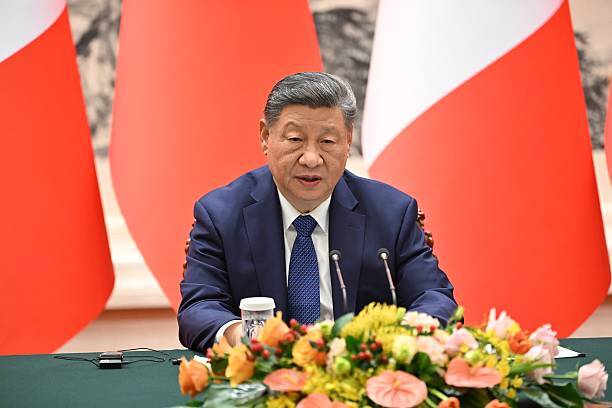
President Xi highlights AI and chip progress in New Year speech
As the world welcomed the new year, Chinese President Xi Jinping delivered a speech that underscored the country’s significant advancements in artificial intelligence (AI), semiconductors, robotics, and defense. Despite facing global technology restrictions, China has made notable strides in these areas, with the President emphasizing the importance of manufacturing recovery and self-reliance as the country nears the end of its 14th Five-Year Plan and prepares for the next cycle beginning in 2026.
In his speech, President Xi highlighted the progress China has made in developing its AI capabilities, citing the successful deployment of AI technologies in various industries, including healthcare, finance, and transportation. He also emphasized the country’s commitment to further investing in AI research and development, with the goal of becoming a global leader in the field.
China’s semiconductor industry has also been a key area of focus, with the government providing significant support for the development of domestic chip manufacturing capabilities. This has led to the establishment of several major semiconductor companies, including SMIC and HSMC, which have made notable breakthroughs in recent years. President Xi praised these efforts, stating that China’s semiconductor industry has made significant progress despite facing challenges from global tech curbs.
In addition to AI and semiconductors, President Xi also highlighted China’s advancements in robotics and defense technologies. The country has made significant investments in the development of autonomous systems, including drones and self-driving cars, with several Chinese companies, such as DJI and Baidu, becoming global leaders in these areas. The President also emphasized the importance of strengthening China’s defense capabilities, citing the need for the country to be self-reliant in the face of global uncertainty.
One of the key themes of President Xi’s speech was the importance of manufacturing recovery and self-reliance. As the country prepares to transition to its next Five-Year Plan, the government is placing a strong emphasis on developing domestic industries and reducing reliance on foreign technologies. This is particularly significant in the context of the global tech curbs that China has faced in recent years, which have highlighted the need for the country to be self-sufficient in key areas such as semiconductors and AI.
The emphasis on self-reliance is also driven by the need to address the challenges posed by the COVID-19 pandemic, which has had a significant impact on global supply chains and trade. By developing its own manufacturing capabilities, China aims to reduce its vulnerability to external shocks and ensure that it can continue to drive economic growth and development.
The progress China has made in AI, semiconductors, robotics, and defense has been driven in part by the government’s commitment to investing in research and development. The country has established several major research initiatives, including the Made in China 2025 plan, which aims to promote the development of domestic industries and technologies. The government has also provided significant funding for startups and small businesses, which have been instrumental in driving innovation and entrepreneurship in key areas such as AI and semiconductors.
As China looks to the future, it is clear that the country will continue to play a major role in shaping the global tech landscape. With its strong commitment to investing in research and development, China is well-positioned to become a global leader in areas such as AI, semiconductors, and robotics. The emphasis on self-reliance and manufacturing recovery will also help to drive economic growth and development, as the country reduces its reliance on foreign technologies and develops its own domestic industries.
In conclusion, President Xi’s New Year speech highlighted the significant progress China has made in AI, semiconductors, robotics, and defense, despite facing global tech curbs. The emphasis on manufacturing recovery and self-reliance will be key to driving economic growth and development in the years to come, as China prepares to transition to its next Five-Year Plan and continues to play a major role in shaping the global tech landscape.
About the Author