I am a Maker, Not a Taker like Bernie Sanders: Elon Musk
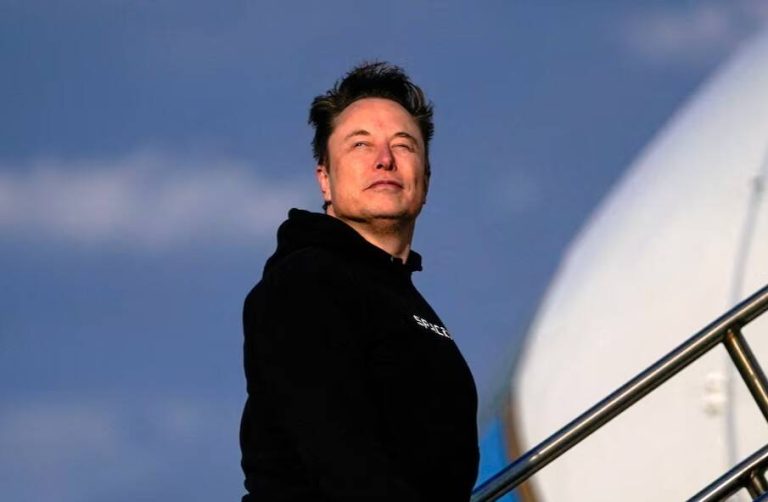
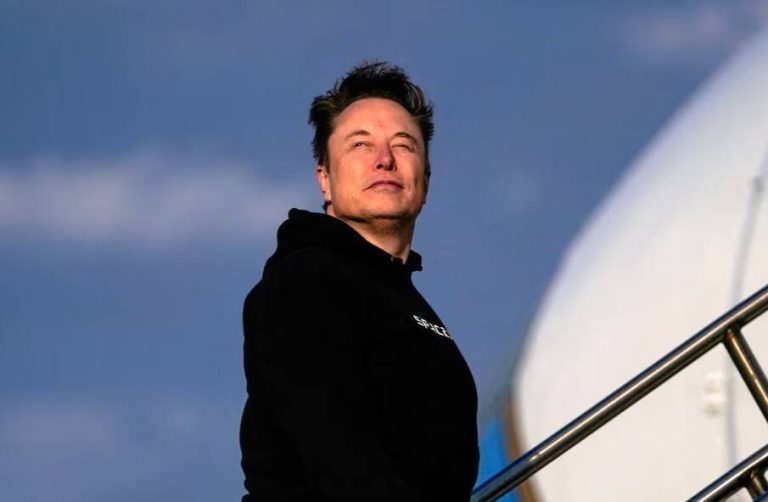
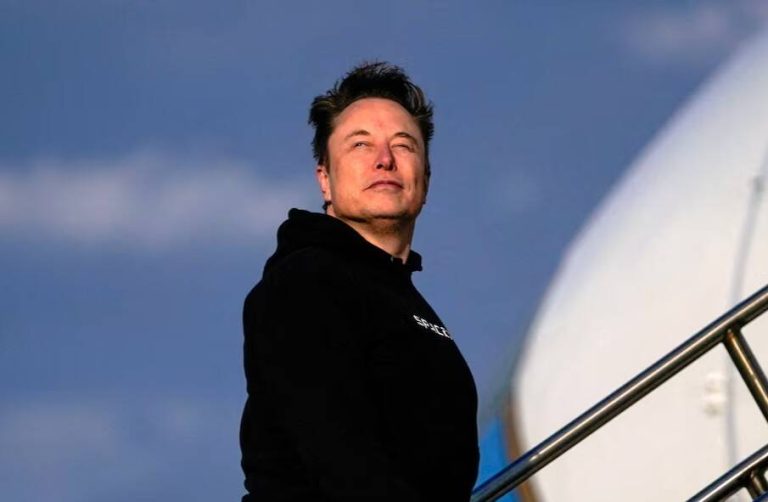
The world of politics and business has always been intertwined, with influential figures often finding themselves at the center of heated debates. Recently, Elon Musk, the billionaire entrepreneur and CEO of Tesla and SpaceX, sparked a controversy with his comments on wealth creation and the role of politicians in the economy. In a statement that has sent shockwaves across the political spectrum, Musk declared that he is a “maker, not a taker” like Bernie Sanders, the American politician and socialist advocate.
Musk’s statement was made in response to the ongoing debate about wealth inequality and the role of the wealthy in society. The billionaire entrepreneur, who has built his fortune through innovative ventures like Tesla and SpaceX, argued that his wealth is tied to the success of his companies and the value they create for the public. “Most of my wealth, which is tied to Tesla and SpaceX shares, can only increase due to producing more products and services for the public,” he said. This statement highlights the fact that Musk’s wealth is not static, but rather dependent on the continued growth and innovation of his companies.
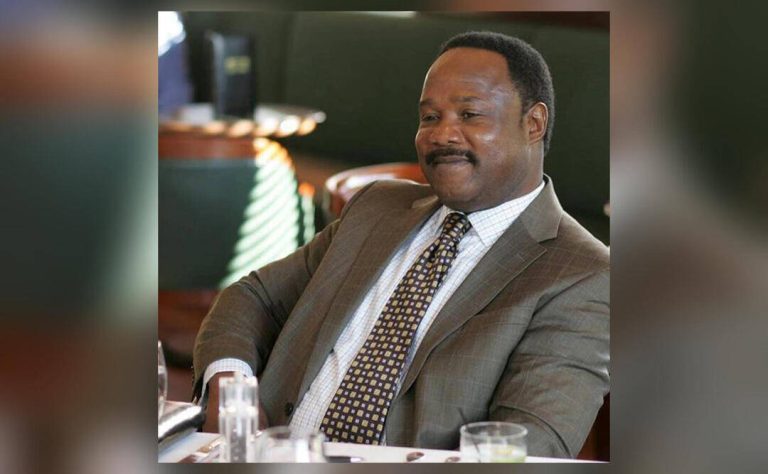
Musk’s comments were not just a defense of his own wealth, but also a critique of the political establishment and the way they approach economic policy. He singled out Bernie Sanders, a prominent advocate for socialist policies and wealth redistribution, as an example of a “taker” who seeks to confiscate wealth rather than create it. “That is because I am a maker, not a taker like the Bernie Sanders-type politicians of the world,” Musk stated. “They take…because they cannot or will not make,” he added. This statement has sparked a heated debate about the role of politicians in the economy and the morality of wealth creation.
The concept of “makers” and “takers” is not new in the context of economic policy. It suggests that there are two types of people in the world: those who create value and wealth through innovation and hard work, and those who seek to confiscate it through taxation, regulation, or other forms of coercion. Musk’s statement implies that he sees himself as a “maker,” someone who has created wealth and value through his entrepreneurial ventures, while politicians like Bernie Sanders are “takers,” who seek to redistribute wealth without creating any value themselves.
This debate raises important questions about the nature of wealth creation and the role of government in the economy. On one hand, Musk’s argument suggests that wealth creation is a natural consequence of innovation and entrepreneurship, and that government should not interfere with the process. On the other hand, critics of Musk’s statement argue that wealth inequality is a serious problem that requires government intervention, and that the wealthy have a responsibility to contribute to the public good.
The issue of wealth inequality is a complex one, and there are no easy solutions. However, it is clear that the current system of wealth creation and distribution is not working for everyone. While entrepreneurs like Musk have created enormous wealth and value, many others are struggling to make ends meet. The question is, how can we create a more equitable system that rewards innovation and hard work, while also ensuring that everyone has access to the opportunities and resources they need to succeed?
Musk’s statement has sparked a lively debate about the role of politicians in the economy and the morality of wealth creation. While some have praised his comments as a defense of entrepreneurship and innovation, others have criticized them as a callous dismissal of the struggles of the poor and the vulnerable. As the debate continues, it is clear that there are no easy answers, but rather a complex web of issues and trade-offs that must be carefully considered.
In conclusion, Elon Musk’s statement about being a “maker, not a taker” like Bernie Sanders has sparked a heated debate about wealth creation, entrepreneurship, and the role of government in the economy. While Musk’s comments have been criticized by some as a simplistic and heartless view of the world, they also highlight the importance of innovation and entrepreneurship in creating value and wealth. As we move forward, it is essential to consider the complex issues surrounding wealth inequality and the role of government in the economy, and to work towards creating a more equitable system that rewards hard work and innovation, while also ensuring that everyone has access to the opportunities and resources they need to succeed.
News source: https://x.com/elonmusk/status/2006014310607167607
About the Author