‘Bone-free’ fish created in China
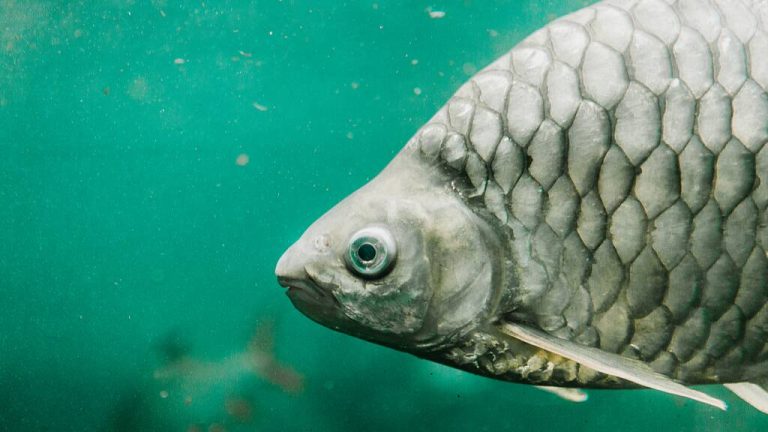
The world of aquaculture has witnessed a significant breakthrough with the creation of a new strain of gibel carp fish that is virtually free of intermuscular bones. This innovative development has been made possible by scientists at the Chinese Academy of Sciences, who have successfully utilized CRISPR gene-editing technology to disable a specific gene responsible for the formation of these fine bones. The result is a fish that is not only safer to eat but also easier to consume, with the potential to reduce choking risks associated with fish consumption.
The gibel carp, a species of freshwater fish, is widely cultivated and consumed in China. However, like many other types of fish, it contains intermuscular bones, which can be a nuisance for consumers and even pose a choking hazard, particularly for young children and the elderly. The presence of these bones can also make the fish more difficult to process and prepare, adding to the overall cost of production.
To address this issue, the Chinese scientists employed the CRISPR-Cas9 gene-editing tool, a powerful technology that allows for precise modifications to an organism’s genome. By targeting the specific gene responsible for the development of intermuscular bones, the researchers were able to disable its function, effectively preventing the formation of these bones in the fish.
The breakthrough is significant, as it demonstrates the potential of gene-editing technology to improve the safety and quality of food products. The use of CRISPR-Cas9 has been gaining momentum in recent years, with applications in various fields, including agriculture, biotechnology, and medicine. The technology has been shown to be highly effective in making precise modifications to an organism’s genome, allowing scientists to introduce desirable traits or eliminate undesirable ones.
In the case of the ‘bone-free’ gibel carp, the scientists were careful to ensure that the gene-editing process did not affect the fish’s main skeleton, which is essential for its overall structure and function. The resulting fish are identical to their conventional counterparts in every way, except for the absence of intermuscular bones.
The implications of this breakthrough are far-reaching. For consumers, the ‘bone-free’ fish offers a safer and more convenient eating experience. The reduced risk of choking hazards is particularly significant, as it can help to prevent accidents and injuries associated with fish consumption. Additionally, the lack of intermuscular bones can make the fish easier to process and prepare, which can lead to cost savings for producers and consumers alike.
The development of ‘bone-free’ fish also has the potential to boost the aquaculture industry, which is a significant sector in many countries, including China. The global demand for fish and seafood is on the rise, driven by growing populations and increasing consumer awareness of the health benefits associated with seafood consumption. By improving the safety and quality of fish products, the industry can better meet the needs of consumers and capitalize on emerging market opportunities.
While the creation of ‘bone-free’ fish is a notable achievement, it is essential to recognize that the technology is still in its early stages. Further research is needed to fully understand the long-term effects of gene-editing on the fish and to ensure that the technology is used responsibly and safely. Regulatory frameworks and guidelines will also be necessary to govern the use of gene-editing in food production, ensuring that consumers are protected and that the environment is not harmed.
In conclusion, the creation of ‘bone-free’ fish in China is a significant breakthrough that has the potential to transform the aquaculture industry. The use of CRISPR gene-editing technology has enabled scientists to disable a specific gene responsible for intermuscular bones, resulting in a fish that is safer and easier to eat. As the technology continues to evolve, it is likely that we will see further innovations in the field of food production, with potential applications in other areas, such as agriculture and biotechnology.
News Source: https://www.republicworld.com/science/boneless-fish-created-by-china-in-lab-after-years-of-research
About the Author