‘Bone-free’ fish created in China
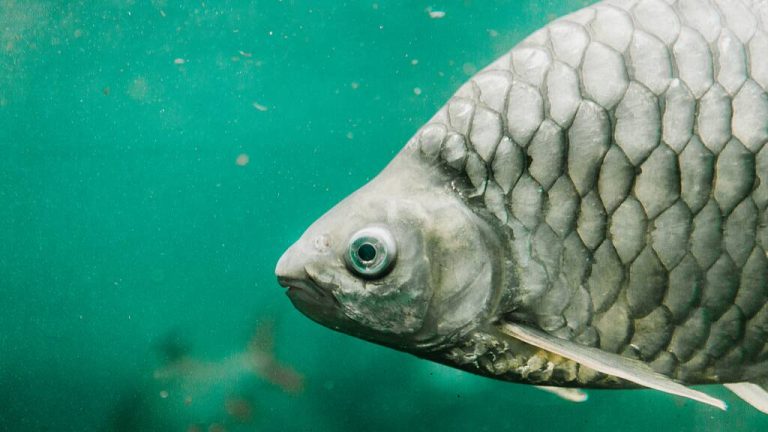
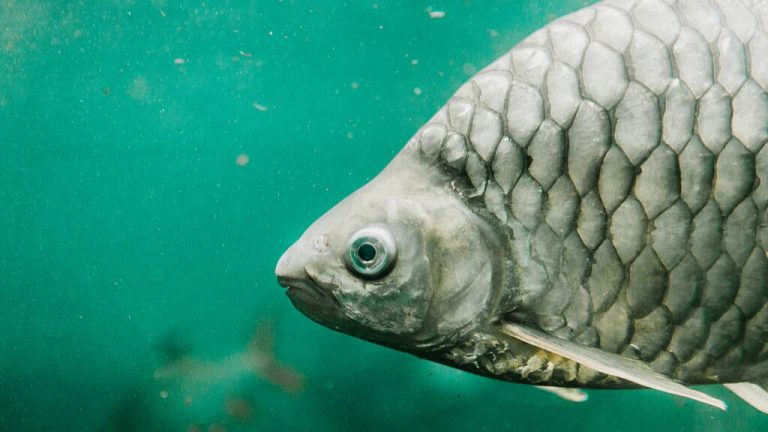
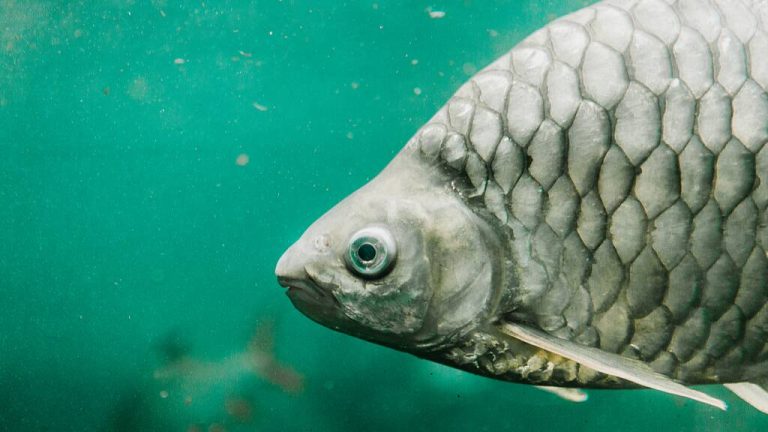
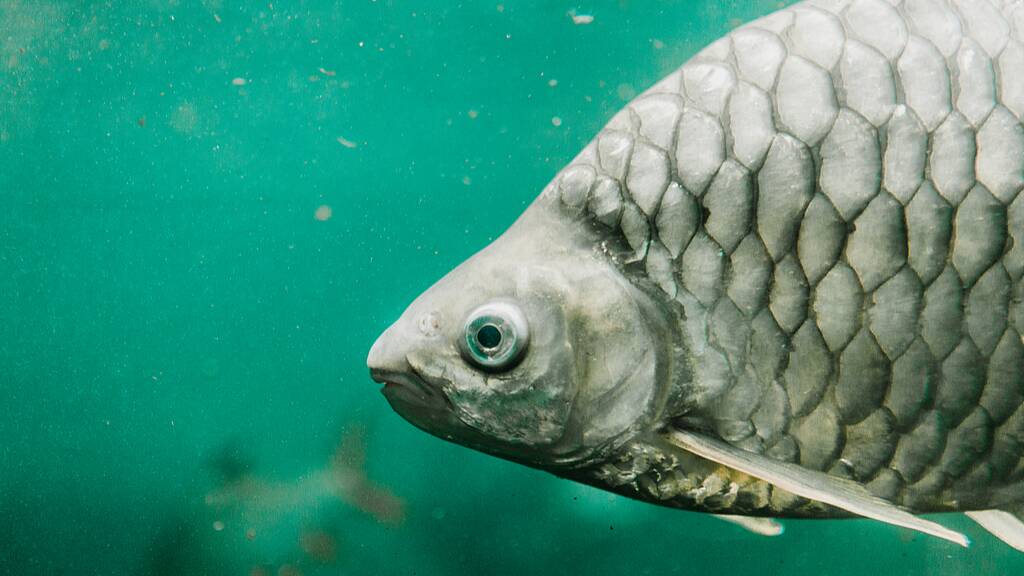
In a groundbreaking achievement, Chinese scientists have successfully created a new strain of gibel carp fish that is virtually free of intermuscular bones. This innovative breakthrough has the potential to revolutionize the way we consume fish, making it safer and easier to eat. The team of scientists at the Chinese Academy of Sciences used the powerful CRISPR gene-editing tool to disable a specific gene responsible for the development of these fine bones, while keeping the fish’s main skeleton intact.
The creation of ‘bone-free’ fish is a significant milestone in the field of aquaculture and food science. Fish is a staple food in many parts of the world, and its consumption is on the rise due to its high nutritional value and versatility. However, one of the major drawbacks of eating fish is the presence of intermuscular bones, which can be a choking hazard, especially for children and the elderly. According to the American Academy of Pediatrics, fish bones are among the top five most common causes of food-related choking incidents in children.
The Chinese scientists’ achievement is a result of years of research and experimentation. They used CRISPR (Clustered Regularly Interspaced Short Palindromic Repeats) gene-editing technology to identify and disable the gene responsible for the development of intermuscular bones in gibel carp fish. CRISPR is a powerful tool that allows scientists to edit genes with unprecedented precision and accuracy. By disabling the specific gene, the scientists were able to prevent the formation of intermuscular bones, while keeping the fish’s main skeleton intact.
The ‘bone-free’ fish created by the Chinese scientists has several advantages over traditional fish. Firstly, it reduces the risk of choking, making it a safer food option for consumers. Secondly, it makes the fish easier to eat, as the absence of intermuscular bones eliminates the need for tedious deboning and filleting. Finally, the ‘bone-free’ fish has the potential to increase the yield of edible fish flesh, as the bones that are normally discarded can now be used as a valuable source of nutrition.
The breakthrough has significant implications for the fish industry, which is one of the largest and most lucrative industries in the world. The global fish market is projected to reach $155.5 billion by 2025, driven by increasing demand for seafood and the growing popularity of sustainable and healthy eating. The creation of ‘bone-free’ fish could disrupt the traditional fish supply chain, as it offers a more convenient, safer, and more sustainable alternative to traditional fish.
The use of CRISPR gene-editing technology in the creation of ‘bone-free’ fish also raises important questions about the ethics and regulation of genetic engineering in food production. While CRISPR has the potential to revolutionize the way we produce food, it also raises concerns about the potential unintended consequences of genetic modification. The Chinese scientists’ achievement highlights the need for careful regulation and monitoring of genetic engineering in food production, to ensure that the benefits of this technology are realized while minimizing its risks.
In conclusion, the creation of ‘bone-free’ fish in China is a significant breakthrough that has the potential to transform the way we consume fish. The use of CRISPR gene-editing technology has enabled scientists to disable the gene responsible for intermuscular bones, making the fish safer and easier to eat. While the breakthrough raises important questions about the ethics and regulation of genetic engineering in food production, it also highlights the potential of biotechnology to improve food safety, sustainability, and nutrition. As the global demand for seafood continues to rise, the creation of ‘bone-free’ fish is a timely and innovative solution that could reduce choking risks and make fish a more enjoyable and convenient food option for consumers around the world.
News Source: https://www.republicworld.com/science/boneless-fish-created-by-china-in-lab-after-years-of-research
About the Author