‘Bone-free’ fish created in China
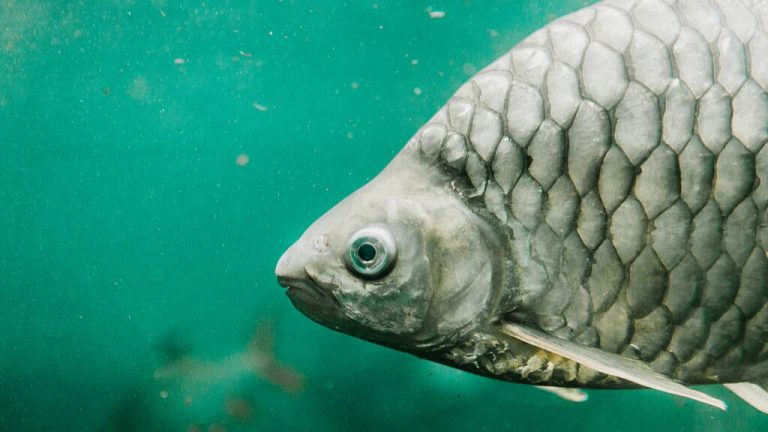
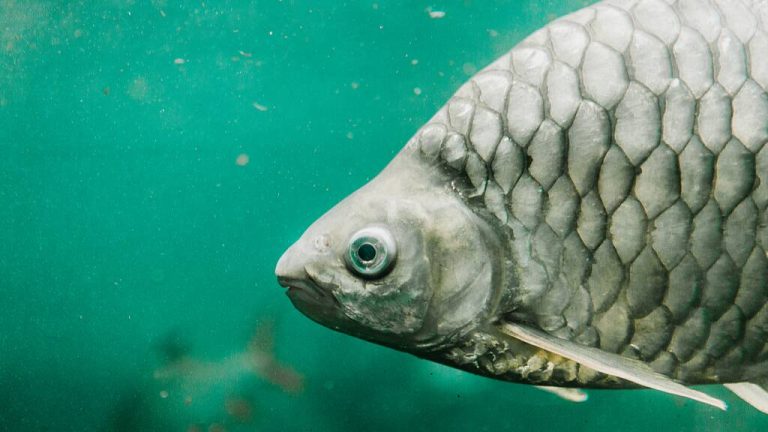
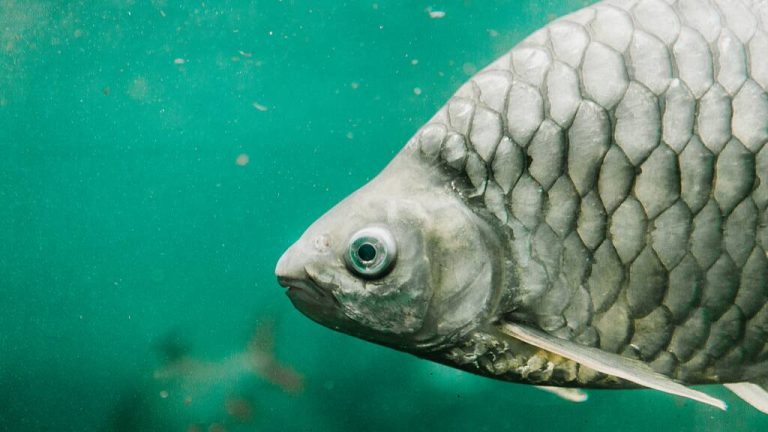
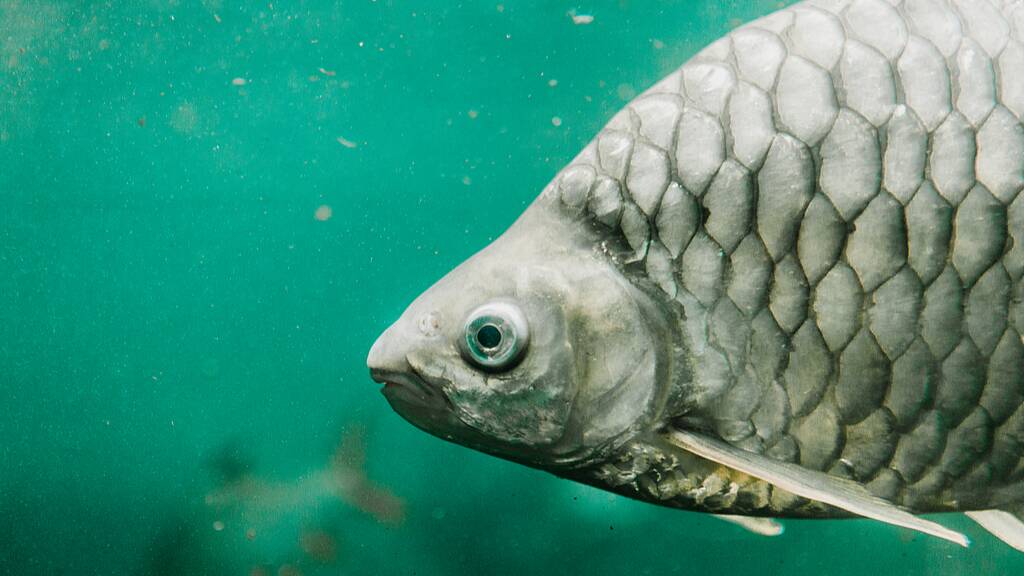
In a groundbreaking achievement, scientists in China have successfully created a new strain of gibel carp fish that is virtually free of intermuscular bones, making it safer and easier to eat. This innovative breakthrough was made possible by the use of CRISPR gene-editing technology, which allowed researchers to disable a specific gene responsible for the development of fine bones within the fish’s muscles. The main skeleton of the fish, however, remains intact, ensuring that the fish’s overall structure and functionality are not compromised.
The development of this ‘bone-free’ fish is a significant milestone in the field of aquaculture and food science. For centuries, people have been consuming fish as a staple food source, but the presence of intermuscular bones has always posed a choking hazard, particularly for young children and the elderly. The creation of a fish that is virtually boneless addresses this concern, making it a safer and more convenient option for consumers.
The research team at the Chinese Academy of Sciences, led by prominent scientists in the field, employed the CRISPR-Cas9 gene-editing tool to achieve this remarkable feat. CRISPR, which stands for Clustered Regularly Interspaced Short Palindromic Repeats, is a powerful technology that allows scientists to edit genes with unprecedented precision. By targeting specific genes, researchers can modify the expression of certain traits, such as the development of intermuscular bones in fish.
The process of creating the ‘bone-free’ fish involved several stages. First, the researchers identified the gene responsible for the development of intermuscular bones in gibel carp fish. They then used CRISPR-Cas9 to disable this gene, effectively preventing the formation of fine bones within the fish’s muscles. The modified fish were then bred and raised in a controlled environment to ensure that the genetic modification was stable and heritable.
The results of the study were nothing short of remarkable. The ‘bone-free’ fish exhibited a significant reduction in intermuscular bones, making them safer and easier to eat. The fish’s main skeleton, however, remained intact, ensuring that the fish’s overall structure and functionality were not compromised. The researchers also conducted a series of tests to evaluate the nutritional content and flavor of the modified fish, which were found to be comparable to those of conventional fish.
The implications of this breakthrough are far-reaching. The creation of ‘bone-free’ fish could revolutionize the aquaculture industry, making it possible to produce fish that are safer and more convenient for consumers. This, in turn, could lead to an increase in fish consumption, which is essential for maintaining a healthy diet. Fish are an excellent source of protein, omega-3 fatty acids, and other essential nutrients, making them an ideal food source for people of all ages.
Furthermore, the use of CRISPR gene-editing technology in this study demonstrates the vast potential of this technology in improving food production. By modifying specific genes, scientists can create crops and livestock that are more resilient, nutritious, and sustainable. This could help address some of the world’s most pressing food security challenges, such as hunger, malnutrition, and climate change.
In conclusion, the creation of ‘bone-free’ fish in China is a significant achievement that could have far-reaching implications for the aquaculture industry and food science. The use of CRISPR gene-editing technology has made it possible to modify specific genes, creating a fish that is safer and easier to eat. As research in this area continues to advance, we can expect to see more innovative solutions to food production challenges, ultimately leading to a more sustainable and food-secure future.
News Source: https://www.republicworld.com/science/boneless-fish-created-by-china-in-lab-after-years-of-research
About the Author