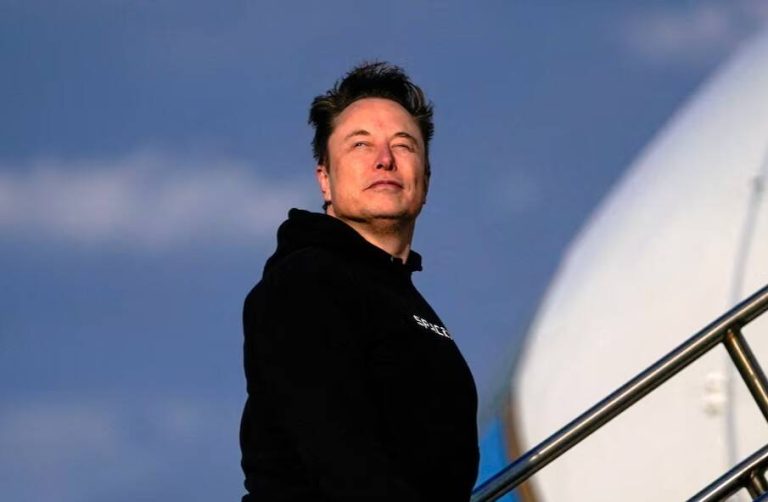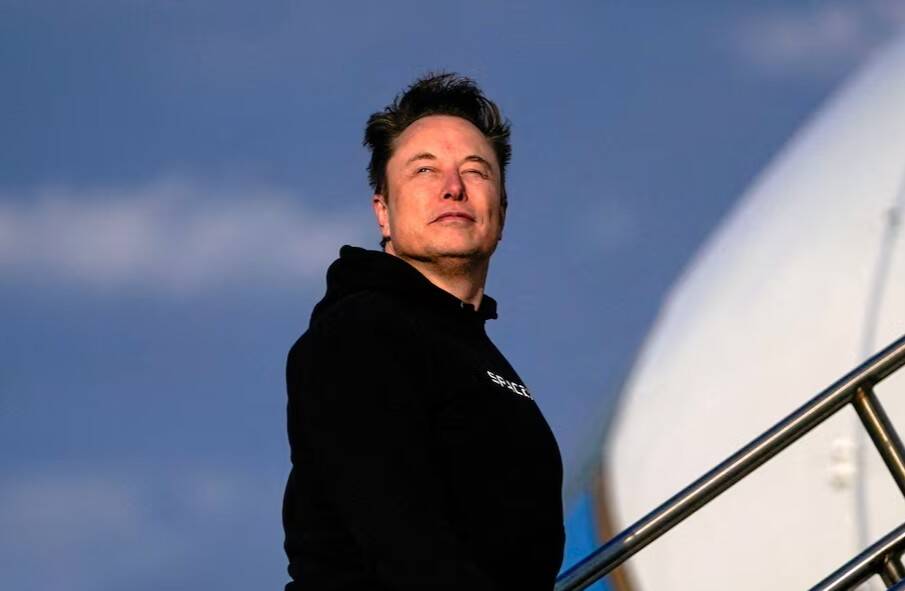
I am a Maker, not a Taker like Bernie Sanders: Elon Musk
In a recent statement, billionaire entrepreneur Elon Musk sparked a heated debate when he contrasted his own approach to wealth creation with that of politicians like Bernie Sanders. Musk, who has built his fortune through innovative companies like Tesla and SpaceX, asserted that his wealth is inextricably linked to the production of goods and services that benefit the public. This, he claimed, sets him apart from “takers” like Sanders, who he believes rely on taking from others rather than creating value themselves.
Musk’s comments have ignited a firestorm of discussion, with some hailing him as a visionary entrepreneur and others criticizing him for his perceived disdain for social welfare programs and progressive politics. As the conversation continues to unfold, it’s worth examining the underlying themes and implications of Musk’s statement.
First and foremost, it’s essential to understand the context in which Musk made his remarks. As the CEO of Tesla and SpaceX, Musk has indeed created enormous value through his companies, which have revolutionized the electric car industry and pushed the boundaries of space exploration. His wealth, which is largely tied to the shares of these companies, is a direct result of their success. In this sense, Musk is correct that his wealth can “only increase due to producing more products and services for the public.” The more innovative and successful his companies are, the more value they create for their customers, employees, and shareholders.
Musk’s distinction between “makers” and “takers” is also worth exploring. On one hand, it’s true that entrepreneurs like Musk, who take risks and invest their time, energy, and resources into creating new products and services, are essential drivers of economic growth and innovation. Without individuals like Musk, who are willing to challenge conventional wisdom and push the boundaries of what’s possible, our world would likely be very different – and probably less prosperous.
On the other hand, Musk’s characterization of politicians like Bernie Sanders as “takers” oversimplifies the complex issues surrounding wealth creation, distribution, and social welfare. While it’s true that some politicians may rely on taxation and redistribution to address social and economic inequalities, it’s also true that these efforts can have a positive impact on the lives of millions of people. Social welfare programs, for example, can provide a vital safety net for the most vulnerable members of society, helping to ensure that everyone has access to basic necessities like healthcare, education, and a living wage.
Furthermore, Musk’s comments ignore the fact that his own success has been facilitated, at least in part, by the very social and economic systems that he seems to disdain. Tesla, for example, has benefited from government subsidies and tax incentives, which have helped the company to grow and thrive. Similarly, SpaceX has received significant funding from NASA and other government agencies, which has enabled the company to pursue its ambitious goals in space exploration.
In addition, Musk’s rhetoric about “makers” and “takers” perpetuates a false narrative that pits entrepreneurs against politicians, and the private sector against the public sector. In reality, these different sectors are interconnected and interdependent, and they must work together to create a more just and prosperous society. By pitting one group against another, Musk’s comments reinforce a divisive and unproductive mindset that can hinder our ability to address the complex challenges we face as a society.
In conclusion, while Elon Musk’s statement about being a “maker” rather than a “taker” like Bernie Sanders has sparked a lively debate, it’s essential to consider the nuances and complexities of the issues at hand. As we reflect on the role of entrepreneurship, innovation, and social welfare in creating a more just and prosperous society, we must avoid simplistic dichotomies and strive for a more nuanced understanding of the inter relationships between different sectors and groups.
Ultimately, the goal should be to create a society that rewards innovation and entrepreneurship, while also ensuring that everyone has access to the opportunities and resources they need to thrive. By working together and embracing a more collaborative and inclusive mindset, we can build a brighter future for all – one that values both the “makers” and the “takers,” and recognizes the important contributions that each can make to the greater good.
News Source: https://x.com/elonmusk/status/2006014310607167607
About the Author