‘Bone-free’ fish created in China
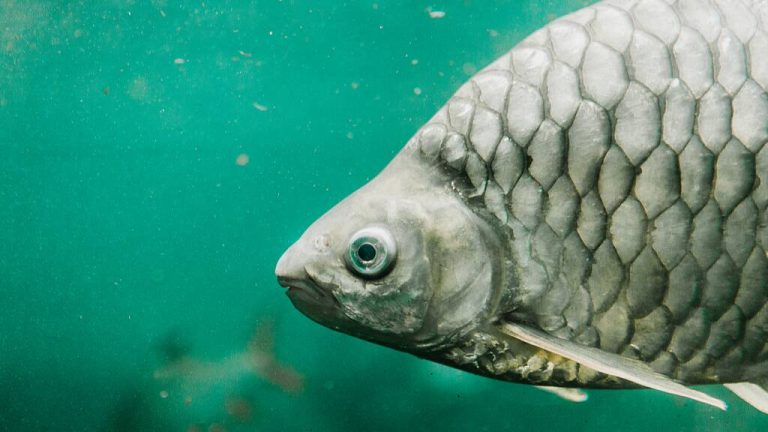
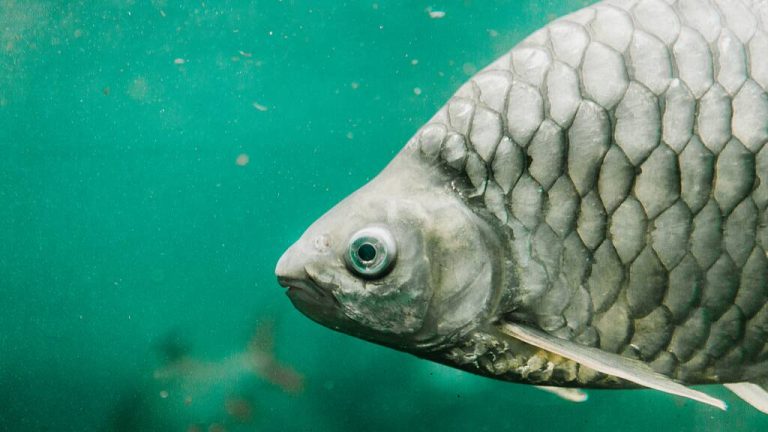
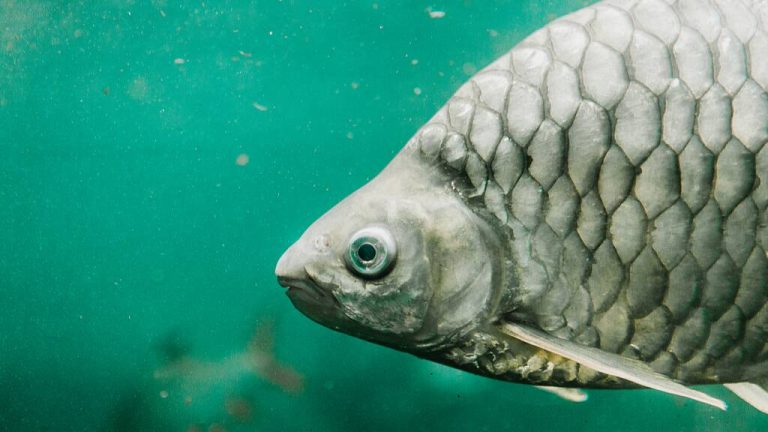
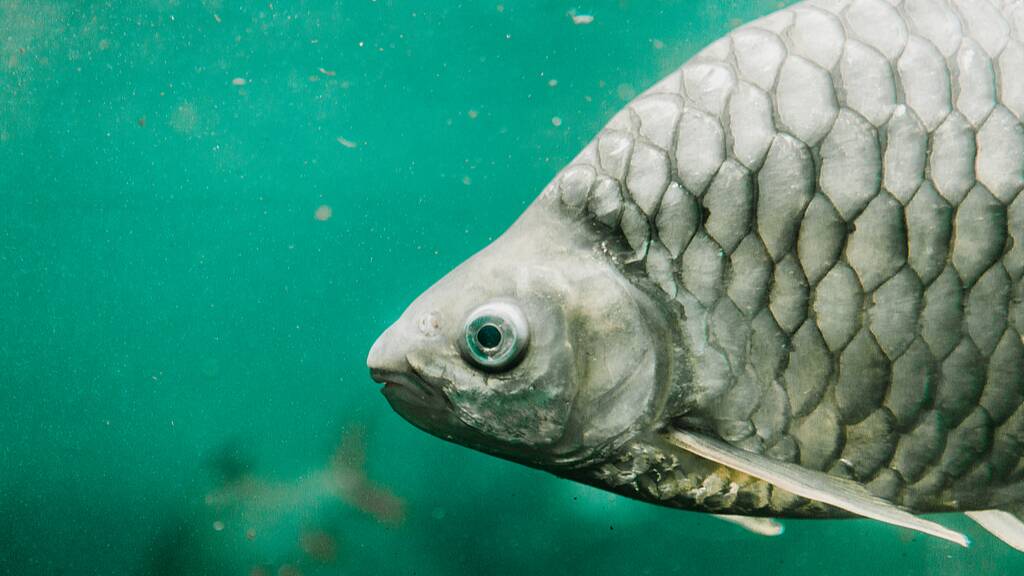
The world of aquaculture has just witnessed a groundbreaking innovation, courtesy of Chinese scientists. A team of researchers at the Chinese Academy of Sciences has successfully created a new strain of gibel carp fish that is virtually free of intermuscular bones. This breakthrough achievement has significant implications for the food industry, as it makes the fish safer and easier to eat. The innovative use of CRISPR gene-editing technology has enabled the scientists to disable a specific gene responsible for the development of these fine bones, while keeping the fish’s main skeleton intact.
For years, the presence of intermuscular bones, also known as pin bones, has been a major concern for fish consumers. These fine bones, which are embedded in the flesh of the fish, can be a choking hazard, especially for children and the elderly. Moreover, the process of removing these bones can be time-consuming and labor-intensive, making it a significant challenge for the food industry. The creation of ‘bone-free’ fish is a significant step forward in addressing these concerns.
The Chinese Academy of Sciences team, which has been working on this project for several years, used the CRISPR-Cas9 gene-editing tool to disable the gene responsible for the development of intermuscular bones. CRISPR, which stands for Clustered Regularly Interspaced Short Palindromic Repeats, is a powerful technology that allows scientists to edit genes with unprecedented precision. By targeting specific genes, scientists can modify the genetic code of an organism to introduce desirable traits or eliminate undesirable ones.
In this case, the Chinese scientists identified a specific gene that controls the development of intermuscular bones in fish. Using CRISPR, they were able to disable this gene, effectively preventing the formation of these fine bones. The result is a fish that is virtually free of intermuscular bones, making it safer and easier to eat.
The implications of this breakthrough are significant. For one, it could reduce the risk of choking hazards associated with fish consumption. According to the American Academy of Pediatrics, choking is a leading cause of injury and death in children, and fish bones are one of the most common choking hazards. By creating ‘bone-free’ fish, the Chinese scientists may have found a way to mitigate this risk.
Moreover, the creation of ‘bone-free’ fish could also have significant economic benefits. The process of removing intermuscular bones from fish can be time-consuming and labor-intensive, which can increase the cost of fish products. By eliminating the need for this process, the Chinese scientists may have found a way to make fish products more affordable and accessible to consumers.
The breakthrough also has significant implications for the aquaculture industry. Fish farming is a rapidly growing industry, with millions of people around the world relying on fish as a source of protein. However, the industry faces several challenges, including the need to improve the safety and quality of fish products. The creation of ‘bone-free’ fish could help address these challenges, making fish products safer and more appealing to consumers.
While the creation of ‘bone-free’ fish is a significant breakthrough, it also raises several questions about the ethics and safety of gene-editing technology. Some critics have raised concerns about the potential risks of gene-editing, including the possibility of unintended consequences or the creation of “super-species” that could outcompete natural species. However, the Chinese scientists behind the breakthrough say that their research has been thoroughly tested and validated, and that the ‘bone-free’ fish is safe for human consumption.
In conclusion, the creation of ‘bone-free’ fish in China is a significant breakthrough that could have far-reaching implications for the food industry. The use of CRISPR gene-editing technology has enabled scientists to disable a specific gene responsible for the development of intermuscular bones, making the fish safer and easier to eat. While there are still several questions about the ethics and safety of gene-editing technology, the breakthrough is a significant step forward in addressing the challenges associated with fish consumption. As the world continues to grapple with the challenges of food security and sustainability, innovations like this could play a critical role in shaping the future of the food industry.
News Source: https://www.republicworld.com/science/boneless-fish-created-by-china-in-lab-after-years-of-research
About the Author