President Xi highlights AI and chip progress in New Year speech
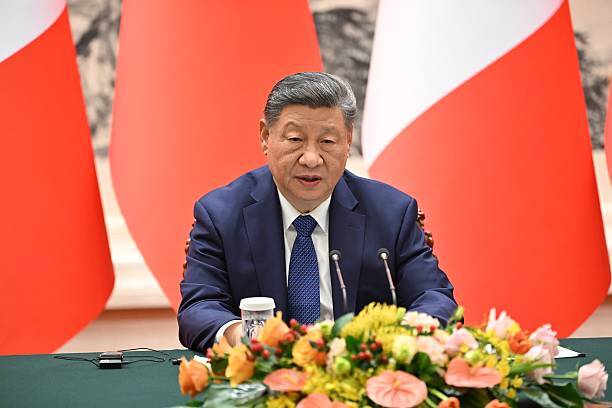
As the world welcomed a new year, Chinese President Xi Jinping used his New Year speech to spotlight the country’s significant advances in artificial intelligence (AI), semiconductors, robotics, and defense. Despite facing global tech curbs, Xi emphasized that China is strengthening its position in the tech industry, with a focus on manufacturing recovery and self-reliance. This comes as China nears the end of its 14th Five-Year Plan and prepares for the next cycle beginning in 2026.
In his speech, Xi highlighted the importance of technological innovation in driving China’s economic growth and national security. He emphasized the need for China to become self-sufficient in key areas such as AI, semiconductors, and robotics, which are crucial for the country’s future development. Xi’s comments suggest that China is committed to pushing forward with its tech ambitions, despite facing challenges from the global community.
One of the key areas that Xi highlighted was China’s progress in AI. The country has made significant strides in recent years, with Chinese companies such as Baidu, Alibaba, and Tencent becoming major players in the global AI industry. Xi noted that China is now a leader in AI research and development, with many Chinese companies and research institutions making breakthroughs in areas such as natural language processing, computer vision, and machine learning.
Another area that Xi emphasized was China’s semiconductor industry. The country has been investing heavily in semiconductor research and development, with the goal of becoming self-sufficient in chip production. Xi noted that China has made significant progress in this area, with many Chinese companies now producing high-quality chips for use in a range of applications, from smartphones to supercomputers.
In addition to AI and semiconductors, Xi also highlighted China’s progress in robotics and defense. The country has been investing heavily in robotics research and development, with many Chinese companies now producing advanced robots for use in manufacturing, logistics, and other areas. Xi noted that China’s robotics industry is now a major player in the global market, with many Chinese companies exporting robots to countries around the world.
Xi’s comments on defense were also significant, as he emphasized the importance of China’s military modernization program. The country has been investing heavily in defense research and development, with the goal of becoming a major military power. Xi noted that China’s military modernization program is now well underway, with many new technologies and systems being developed and deployed.
Overall, Xi’s New Year speech suggests that China is committed to pushing forward with its tech ambitions, despite facing challenges from the global community. The country’s focus on manufacturing recovery and self-reliance is likely to continue, with a emphasis on developing key technologies such as AI, semiconductors, and robotics.
As China nears the end of its 14th Five-Year Plan, the country is preparing for the next cycle beginning in 2026. The new plan is likely to include a range of initiatives aimed at promoting technological innovation and self-sufficiency, including investments in AI, semiconductors, and other key areas. Xi’s comments suggest that China is committed to becoming a major player in the global tech industry, and is willing to invest heavily in research and development to achieve this goal.
The implications of Xi’s speech are significant, both for China and the global community. As China continues to push forward with its tech ambitions, it is likely to have a major impact on the global economy and the tech industry. Chinese companies are already major players in many areas, from smartphones to supercomputers, and are likely to continue to grow and expand in the coming years.
However, China’s tech ambitions also pose challenges for the global community. The country’s focus on self-sufficiency and manufacturing recovery could lead to tensions with other countries, particularly if China is seen as threatening the dominance of established tech companies. Additionally, China’s military modernization program has raised concerns among some countries, who fear that the country’s growing military power could be used to threaten regional stability.
In conclusion, President Xi’s New Year speech highlights the significant progress that China has made in AI, semiconductors, robotics, and defense. The country’s focus on manufacturing recovery and self-reliance is likely to continue, with a emphasis on developing key technologies such as AI, semiconductors, and robotics. As China prepares for the next cycle beginning in 2026, it is clear that the country is committed to becoming a major player in the global tech industry, and is willing to invest heavily in research and development to achieve this goal.
About the Author