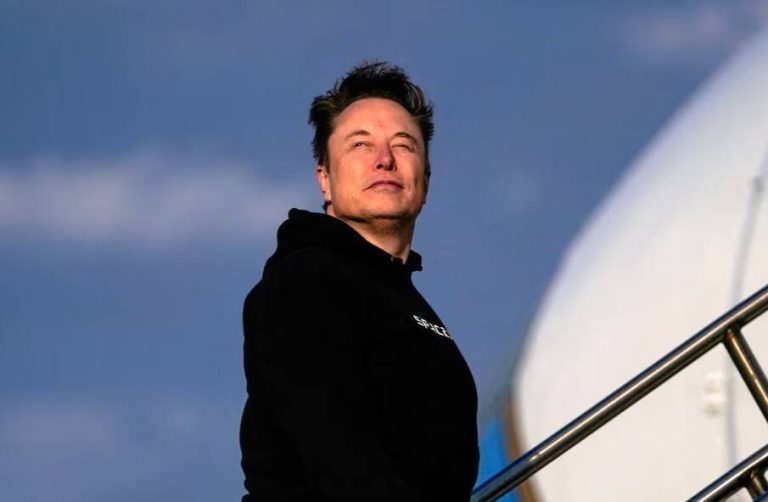
I am a Maker, not a Taker like Bernie Sanders: Elon Musk
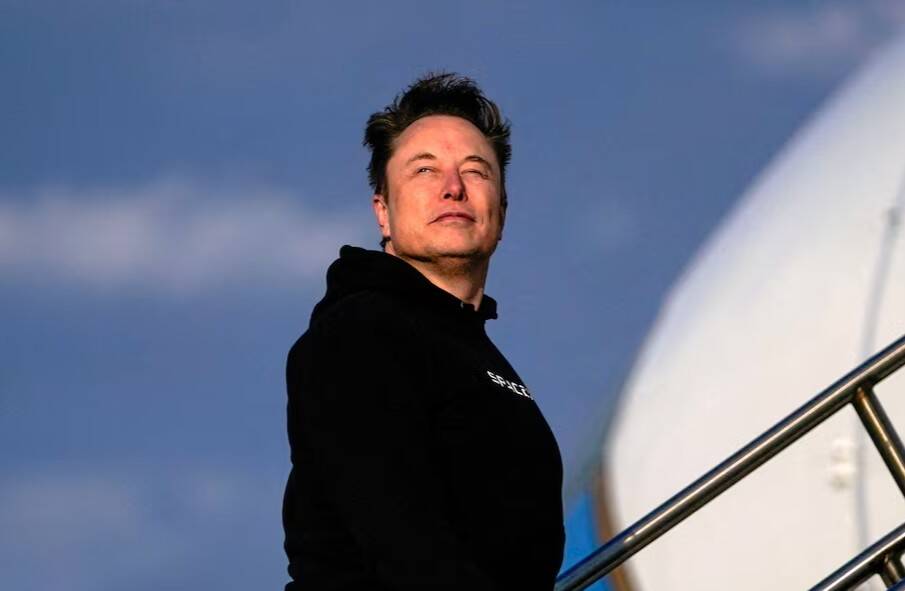
In a recent statement, Elon Musk, the CEO of Tesla and SpaceX, made a bold claim that has sparked a heated debate about the role of wealth and entrepreneurship in society. Musk, who is known for his innovative and ambitious ventures, stated that most of his wealth, which is tied to Tesla and SpaceX shares, can “only increase due to producing more products and services for the public.” He then went on to distinguish himself from politicians like Bernie Sanders, saying “That is because I am a maker, not a taker like the Bernie Sanders-type politicians of the world.” Musk added, “They take…because they cannot or will not make.”
This statement has raised eyebrows and sparked a discussion about the difference between creating wealth through innovation and entrepreneurship, versus redistributing wealth through government policies. Musk’s comments have been seen as a critique of socialist and progressive ideologies, which often emphasize the need for greater economic equality and government intervention in the economy.
Musk’s argument is that his wealth is not based on exploiting others or taking from the system, but rather on creating value and producing goods and services that people want and need. He believes that his companies, Tesla and SpaceX, have created thousands of jobs and have contributed to the overall well-being of society. In contrast, he implies that politicians like Bernie Sanders, who advocate for higher taxes and greater government control over the economy, are “takers” who rely on the wealth created by others to fund their policies.
This debate is not new, and it reflects a fundamental divide between different economic and political ideologies. On one hand, there are those who believe that the free market and entrepreneurship are the drivers of economic growth and innovation. They argue that individuals like Musk, who have created successful companies and generated wealth, are the backbone of the economy and should be encouraged and rewarded. On the other hand, there are those who believe that the economy should be more regulated and that the government should play a greater role in redistributing wealth and promoting economic equality.
Musk’s comments have also been seen as a response to the growing criticism of wealth inequality in the United States. Many have argued that the wealthy, including billionaires like Musk, do not pay their fair share of taxes and that their wealth is often based on exploiting loopholes and tax havens. Musk’s statement can be seen as a pushback against these criticisms, and an attempt to justify his own wealth and success.
However, not everyone agrees with Musk’s assessment. Some have pointed out that his companies, Tesla and SpaceX, have received significant government subsidies and contracts, which have helped to fuel their growth and profitability. For example, Tesla has received millions of dollars in tax credits and subsidies for its electric vehicles, and SpaceX has received billions of dollars in contracts from NASA and the US military. This has led some to argue that Musk’s wealth is not solely based on his own innovation and hard work, but also on the support and funding he has received from the government.
Furthermore, Musk’s comments have also been criticized for being overly simplistic and divisive. By implying that politicians like Bernie Sanders are “takers” who cannot or will not create value, Musk is ignoring the complex and nuanced role that government plays in the economy. Governments provide essential public goods and services, such as education, healthcare, and infrastructure, which are necessary for economic growth and development. They also play a crucial role in regulating the economy and protecting the environment, which can help to prevent market failures and promote sustainable development.
In conclusion, Elon Musk’s statement has sparked a heated debate about the role of wealth and entrepreneurship in society. While Musk believes that his wealth is based on creating value and producing goods and services for the public, others argue that his success is also due to government support and subsidies. The debate reflects a fundamental divide between different economic and political ideologies, and highlights the need for a more nuanced and informed discussion about the role of government and the economy.
As the debate continues, it is essential to consider the complexities of the issue and to avoid simplistic and divisive rhetoric. By promoting a more informed and nuanced discussion, we can work towards creating a more equitable and sustainable economy that benefits everyone, not just the wealthy and powerful.
News Source: https://x.com/elonmusk/status/2006014310607167607
About the Author