‘Bone-free’ fish created in China
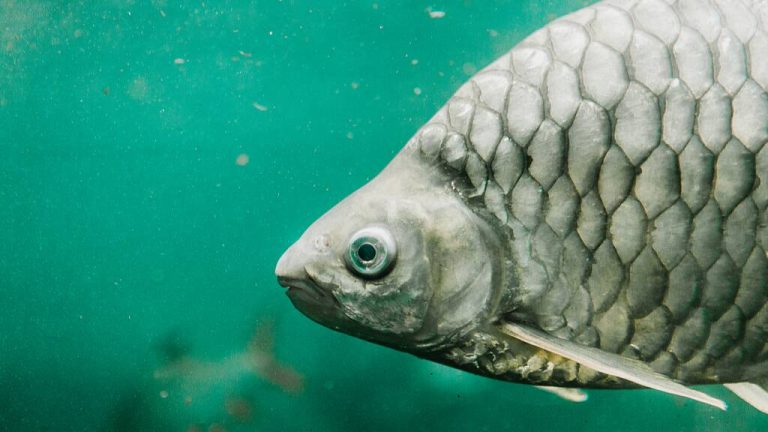
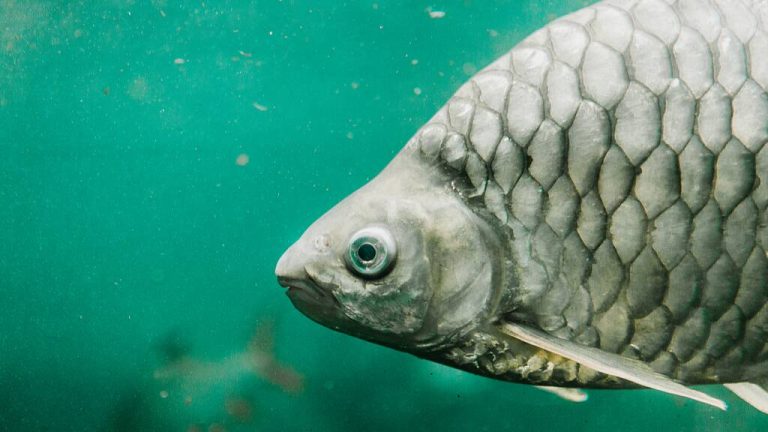
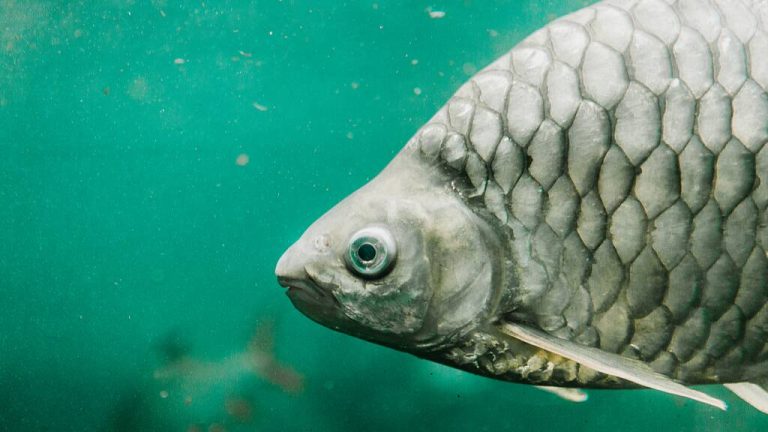
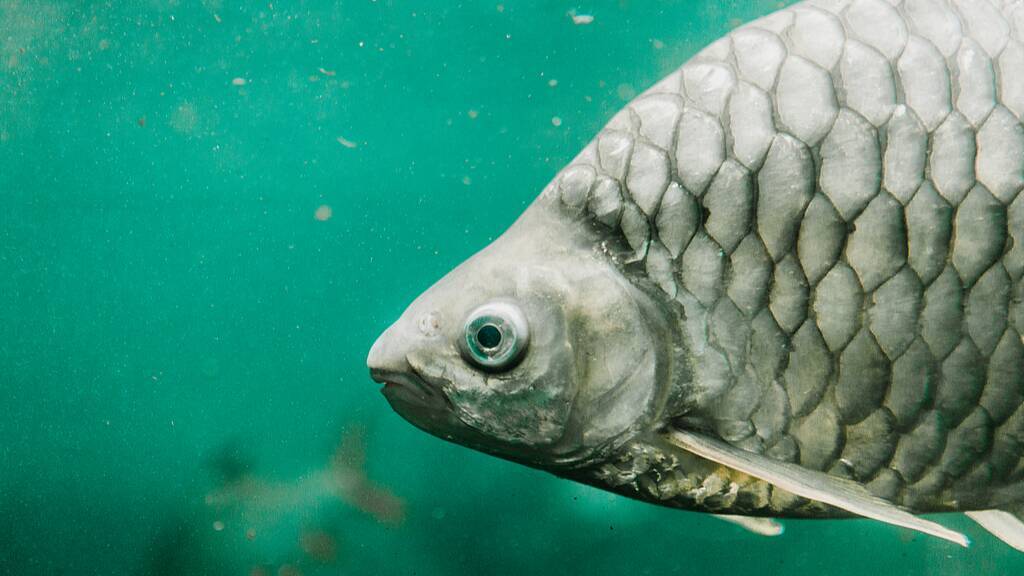
In a groundbreaking achievement, scientists at the Chinese Academy of Sciences have successfully created a new strain of gibel carp fish that is virtually free of intermuscular bones. This breakthrough innovation has the potential to revolutionize the way we consume fish, making it safer and easier to eat. The team of scientists used CRISPR gene-editing technology to disable a specific gene responsible for the development of these fine bones, while keeping the fish’s main skeleton intact.
The creation of ‘bone-free’ fish is a significant milestone in the field of aquaculture and food science. Fish bones have long been a major concern for consumers, as they can pose a choking hazard, especially for young children and the elderly. According to the American Academy of Pediatrics, fish bones are among the top five most common causes of choking-related emergencies in children. The new strain of gibel carp fish, which has been engineered to be virtually boneless, could significantly reduce the risk of choking and make fish a safer and more appealing option for consumers.
The use of CRISPR gene-editing technology has been instrumental in achieving this breakthrough. CRISPR, which stands for Clustered Regularly Interspaced Short Palindromic Repeats, is a powerful tool that allows scientists to edit genes with unprecedented precision. By disabling the gene responsible for the development of intermuscular bones, the scientists were able to create a fish that is essentially boneless, without compromising its overall health and well-being.
The process of creating the ‘bone-free’ fish was not an easy one. It required years of research and experimentation, as well as a deep understanding of the genetic mechanisms that control bone development in fish. The team of scientists at the Chinese Academy of Sciences worked tirelessly to identify the specific gene responsible for the development of intermuscular bones and to develop a method for disabling it using CRISPR gene-editing technology.
The implications of this breakthrough are far-reaching. The creation of ‘bone-free’ fish could have a significant impact on the aquaculture industry, as it could make fish a more appealing and convenient option for consumers. It could also have significant economic benefits, as it could reduce the costs associated with processing and deboning fish. Additionally, the use of CRISPR gene-editing technology could have broader applications in the field of food science, as it could be used to create other types of genetically modified foods that are safer and more nutritious.
The ‘bone-free’ fish is also expected to have a significant impact on food safety. Fish bones can be a major source of contamination, as they can harbor bacteria and other pathogens. By removing the bones, the risk of contamination is significantly reduced, making the fish safer to eat. This is especially important for vulnerable populations, such as the elderly and young children, who are more susceptible to foodborne illnesses.
In addition to its potential impact on food safety, the ‘bone-free’ fish could also have significant environmental benefits. The production of fish is a significant contributor to greenhouse gas emissions, as it requires large amounts of feed and energy to produce. By creating a more efficient and sustainable method of fish production, the ‘bone-free’ fish could help reduce the environmental impact of the aquaculture industry.
The creation of the ‘bone-free’ fish is a testament to the power of genetic engineering and the potential of CRISPR gene-editing technology to revolutionize the way we produce and consume food. As the global population continues to grow, it is essential that we develop more efficient and sustainable methods of food production. The ‘bone-free’ fish is an important step in this direction, and it has the potential to make a significant impact on the way we eat and produce fish.
In conclusion, the creation of the ‘bone-free’ fish is a significant breakthrough that has the potential to revolutionize the way we consume fish. By using CRISPR gene-editing technology to disable the gene responsible for the development of intermuscular bones, scientists at the Chinese Academy of Sciences have created a fish that is virtually boneless, making it safer and easier to eat. The implications of this breakthrough are far-reaching, and it has the potential to have a significant impact on the aquaculture industry, food safety, and the environment.
News source: https://www.republicworld.com/science/boneless-fish-created-by-china-in-lab-after-years-of-research
About the Author