I am a Maker, Not a Taker like Bernie Sanders: Elon Musk
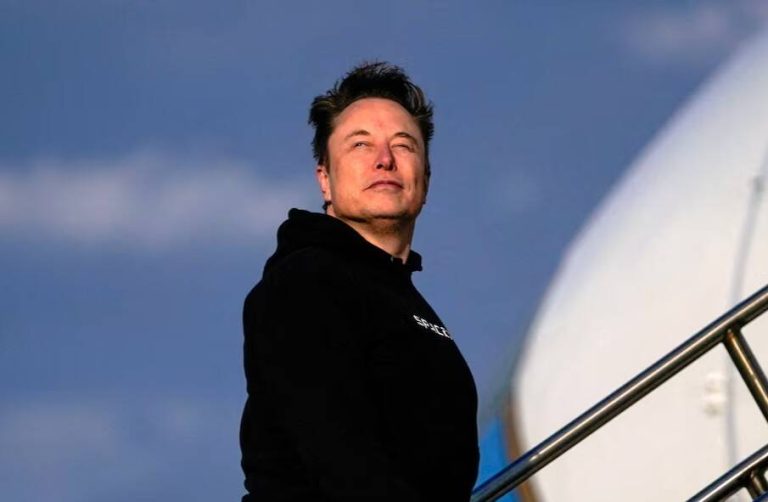
In a recent statement, Elon Musk, the visionary entrepreneur and business magnate, made a bold assertion about his wealth and the nature of his success. Musk, who is known for his innovative ventures such as Tesla and SpaceX, claimed that his wealth is directly tied to the production of goods and services that benefit the public. He further emphasized that his approach to wealth creation is fundamentally different from that of politicians like Bernie Sanders, whom he labeled as “takers.”
Musk’s statement, which has sparked a heated debate, highlights the distinction between creating value through innovation and entrepreneurship, versus relying on redistribution of wealth through government policies. According to Musk, his wealth, which is largely tied to the shares of Tesla and SpaceX, can only increase by producing more products and services that meet the needs of the public. This approach, he argues, is the hallmark of a “maker,” someone who creates value through their efforts and innovations.
On the other hand, Musk criticized politicians like Bernie Sanders, who he claims are “takers” because they rely on redistributing wealth through taxation and government programs. Musk’s argument is that these politicians do not create value themselves, but rather take from others, often through coercive means, to fund their policies. This approach, Musk believes, is not only unsustainable but also morally questionable.
Musk’s comments have sparked a lively debate about the nature of wealth creation and the role of government in redistributing wealth. While some have praised Musk for his entrepreneurial spirit and commitment to innovation, others have criticized him for his perceived arrogance and lack of empathy for those who are less fortunate.
However, it is essential to examine the underlying principles of Musk’s argument and the implications of his statement. By claiming to be a “maker,” Musk is emphasizing the importance of innovation and entrepreneurship in creating value and driving economic growth. This approach is rooted in the idea that individuals and businesses should be free to pursue their passions and create value through their efforts, without undue interference from the government.
In contrast, the “taker” approach, which Musk attributes to politicians like Bernie Sanders, relies on the government to redistribute wealth and provide services to the public. While this approach may provide short-term benefits to some individuals, it can also create dependencies and undermine the incentives for innovation and entrepreneurship.
Musk’s statement also highlights the importance of property rights and the rule of law in protecting the interests of creators and innovators. By recognizing the value of intellectual property and the rights of individuals to their creations, we can create an environment that encourages innovation and entrepreneurship.
Furthermore, Musk’s comments underscore the need for a more nuanced discussion about the role of government in the economy. Rather than simply relying on redistribution of wealth, we should focus on creating an environment that fosters innovation, entrepreneurship, and job creation. This can be achieved through policies that promote economic freedom, reduce regulatory barriers, and encourage investment in education and research.
In conclusion, Elon Musk’s statement about being a “maker” rather than a “taker” like Bernie Sanders has sparked an important debate about the nature of wealth creation and the role of government in the economy. By emphasizing the importance of innovation and entrepreneurship, Musk is highlighting the need for a more nuanced approach to economic policy, one that recognizes the value of creators and innovators and promotes an environment that fosters economic growth and prosperity.
As we consider the implications of Musk’s statement, it is essential to remember that the creation of value and wealth is a complex process that involves many factors, including innovation, entrepreneurship, and government policies. By recognizing the importance of these factors and promoting an environment that fosters economic freedom and innovation, we can create a more prosperous and equitable society for all.
Source: https://x.com/elonmusk/status/2006014310607167607
About the Author