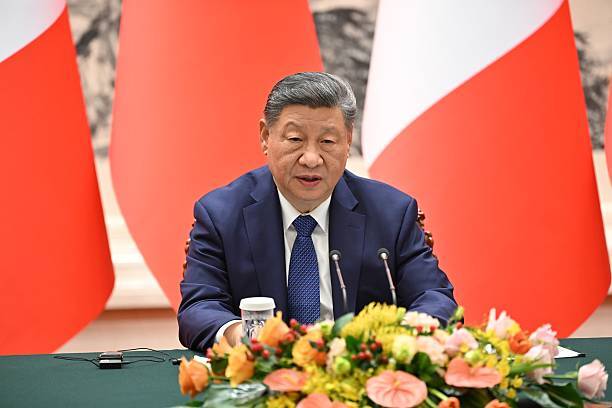
President Xi highlights AI and chip progress in New Year speech
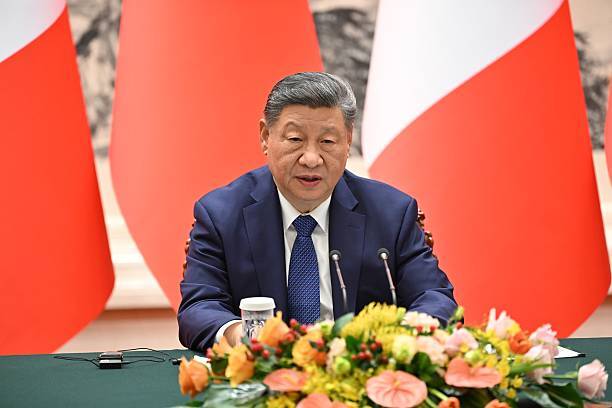
As the world ushered in a new year, Chinese President Xi Jinping used his annual New Year speech to highlight the country’s significant advancements in artificial intelligence (AI), semiconductors, robotics, and defense. Despite facing global tech curbs, Xi emphasized that China is strengthening its position in the tech industry, with a focus on manufacturing recovery and self-reliance. This comes as China nears the end of its 14th Five-Year Plan and prepares for the next cycle beginning in 2026.
In his speech, Xi emphasized the importance of technological innovation in driving China’s economic growth and global competitiveness. He noted that the country has made significant strides in developing cutting-edge technologies, including AI, 5G, and the Internet of Things (IoT). Xi also highlighted the progress made in the semiconductor industry, which is crucial for the development of advanced technologies such as AI, robotics, and autonomous vehicles.
Xi’s emphasis on AI and chip progress is not surprising, given the country’s ambitious plans to become a global leader in these fields. China has been investing heavily in AI research and development, with a focus on developing indigenous AI technologies and reducing its reliance on foreign imports. The country has also been actively promoting the development of its semiconductor industry, with a goal of becoming self-sufficient in chip production.
One of the key areas where China has made significant progress is in the development of AI-powered technologies. The country has been actively promoting the use of AI in various sectors, including healthcare, finance, and transportation. Chinese tech giants such as Baidu, Alibaba, and Tencent have been at the forefront of AI research and development, with significant investments in areas such as natural language processing, computer vision, and machine learning.
In addition to AI, China has also made significant progress in the development of semiconductors. The country has been actively promoting the development of its domestic semiconductor industry, with a focus on developing indigenous chip design and manufacturing capabilities. Chinese companies such as SMIC and Hua Hong Semiconductor have been at the forefront of this effort, with significant investments in chip design, manufacturing, and packaging.
Xi’s speech also highlighted the importance of manufacturing recovery and self-reliance in driving China’s economic growth. The country has been facing significant challenges in its manufacturing sector, including rising labor costs, environmental concerns, and global trade tensions. However, Xi emphasized that China is committed to revitalizing its manufacturing sector, with a focus on high-tech industries such as AI, robotics, and semiconductors.
The emphasis on self-reliance is also significant, given the global tech curbs that China has been facing. The country has been subject to significant restrictions on its access to advanced technologies, including semiconductors and AI-powered technologies. However, Xi emphasized that China is committed to developing its own indigenous technologies, reducing its reliance on foreign imports and promoting self-reliance in the tech sector.
As China prepares for the next cycle of its Five-Year Plan, it is clear that the country will continue to prioritize technological innovation and self-reliance. The 14th Five-Year Plan, which comes to an end in 2025, has been focused on promoting high-tech industries such as AI, robotics, and semiconductors. The next plan, which begins in 2026, is expected to build on these efforts, with a focus on promoting indigenous innovation and reducing reliance on foreign technologies.
In conclusion, President Xi’s New Year speech highlights the significant progress that China has made in AI, semiconductors, robotics, and defense. Despite facing global tech curbs, China is committed to strengthening its position in the tech industry, with a focus on manufacturing recovery and self-reliance. As the country prepares for the next cycle of its Five-Year Plan, it is clear that technological innovation and indigenous development will remain a top priority.
About the Author