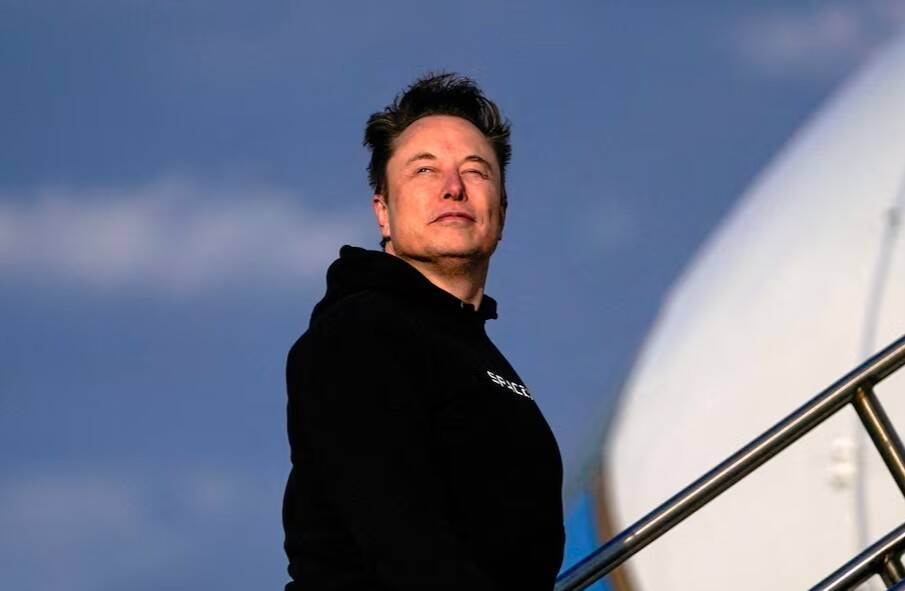
I am a maker, not a taker like Bernie Sanders: Elon Musk
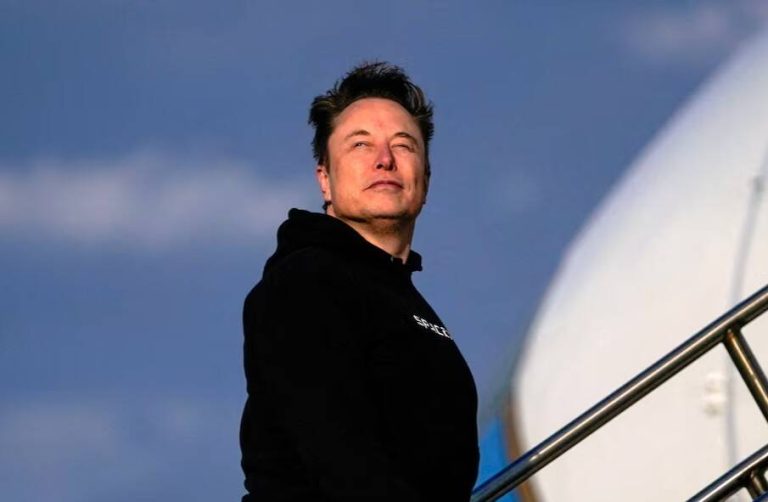
In a recent statement, Elon Musk, the billionaire entrepreneur and CEO of Tesla and SpaceX, sparked a heated debate about the role of wealth and entrepreneurship in society. Musk, known for his innovative and ambitious ventures, took a swipe at politicians like Bernie Sanders, labeling them as “takers” who rely on taking from others rather than creating value through their own efforts. According to Musk, his wealth, which is largely tied to the success of Tesla and SpaceX, is a direct result of his ability to “make” things, rather than simply taking from others.
Musk’s statement, which has generated significant attention and controversy, highlights the fundamental differences between the entrepreneurial mindset and the political approach to wealth and economic growth. While politicians like Sanders often advocate for redistributive policies and increased taxation, Musk argues that true prosperity and progress come from innovation, hard work, and risk-taking. By creating products and services that meet the needs of the public, entrepreneurs like Musk are able to generate wealth and create opportunities for others, rather than simply relying on the government to redistribute existing resources.
The distinction between “makers” and “takers” is a crucial one, as it speaks to the very heart of how we understand economic growth and development. On one hand, we have the “takers,” who rely on the government and existing systems to provide for them, often through the redistribution of wealth from others. This approach can lead to a culture of dependency and stagnation, where individuals and businesses are discouraged from taking risks and innovating. On the other hand, we have the “makers,” who are driven by a desire to create, innovate, and solve real-world problems. These individuals are the engines of economic growth, as they invest their time, energy, and resources into building new products, services, and industries that create value for others.
Musk’s own success is a testament to the power of the “maker” mindset. Through his work at Tesla and SpaceX, he has revolutionized the electric car industry and pioneered private space exploration, creating thousands of jobs and generating billions of dollars in economic activity. His companies have also made significant contributions to the development of sustainable energy and transportation, demonstrating the potential for entrepreneurship to drive positive social and environmental change.
In contrast, politicians like Sanders often prioritize short-term gains and quick fixes over long-term investment and growth. By advocating for increased taxation and regulation, they can inadvertently stifle innovation and entrepreneurship, driving away the very “makers” who are essential to creating new opportunities and driving economic progress. This approach can lead to a vicious cycle of dependency and stagnation, where governments rely on taxing existing wealth rather than encouraging the creation of new wealth through entrepreneurship and innovation.
Musk’s statement also raises important questions about the role of government in promoting economic growth and development. While some argue that government intervention is necessary to address issues like income inequality and climate change, others argue that excessive regulation and taxation can stifle innovation and entrepreneurship. As Musk suggests, the key to creating prosperity and driving economic growth is to empower the “makers” and encourage them to innovate and take risks, rather than relying on the government to provide solutions.
Ultimately, the debate between Musk and Sanders reflects a deeper philosophical divide about the nature of wealth, entrepreneurship, and economic growth. While some see wealth as a zero-sum game, where one person’s gain must come at the expense of another, others see it as a dynamic and ever-expanding pie, where innovation and entrepreneurship can create new opportunities and wealth for all. As Musk’s statement makes clear, the “makers” are the ones who are driving this growth and creating new value, and it is up to us to support and empower them, rather than trying to stifle their creativity and innovation through excessive regulation and taxation.
In conclusion, Elon Musk’s statement highlights the importance of entrepreneurship and innovation in driving economic growth and creating prosperity. By labeling himself as a “maker” rather than a “taker,” Musk is emphasizing the value of creating new products, services, and industries, rather than simply relying on existing systems and resources. As we consider the future of our economy and society, it is essential that we prioritize the “makers” and encourage them to innovate and take risks, rather than stifling their creativity and entrepreneurship through excessive regulation and taxation.
News source: https://x.com/elonmusk/status/2006014310607167607
About the Author