I am a Maker, not a Taker like Bernie Sanders: Elon Musk
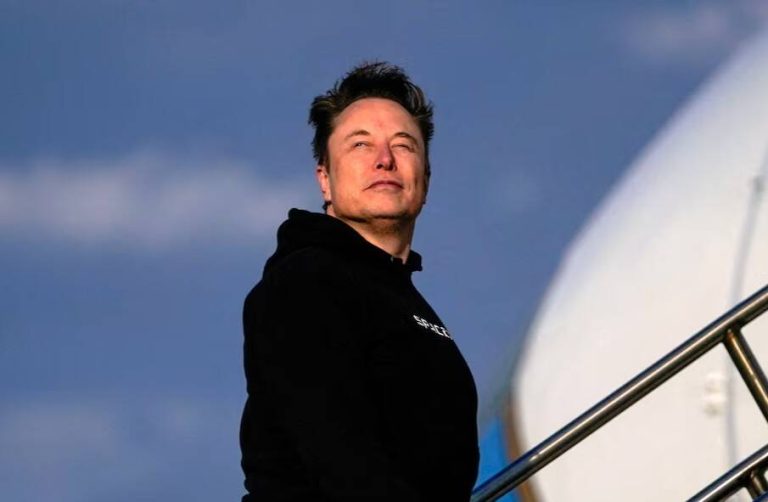
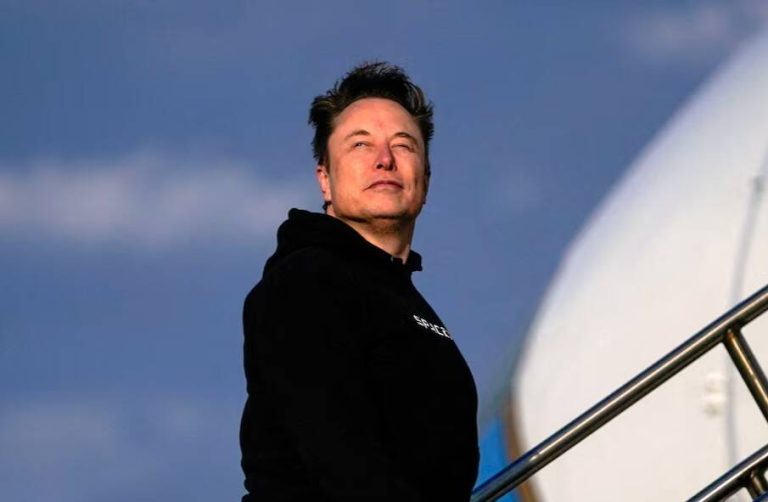
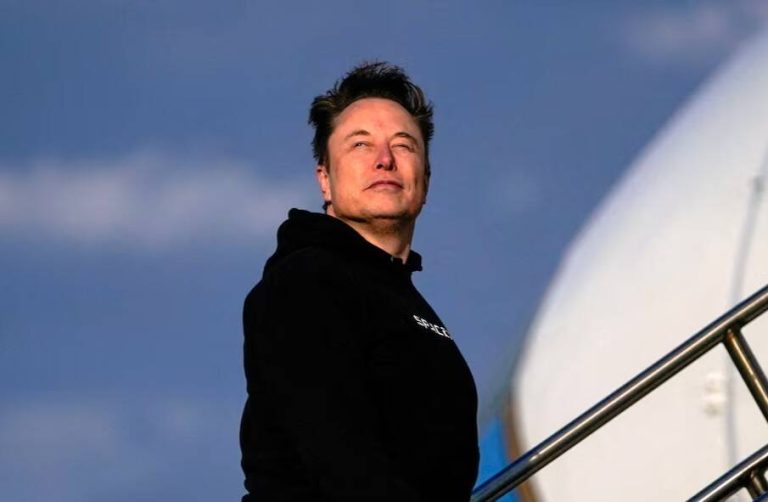
In a recent statement, billionaire entrepreneur Elon Musk sparked a heated debate about the nature of wealth creation and the role of politicians in shaping economic policies. Musk, who has built his fortune through innovative ventures like Tesla and SpaceX, took a swipe at politicians like Bernie Sanders, whom he characterized as “takers” rather than “makers.” According to Musk, his wealth, which is largely tied to the success of his companies, can only increase by producing more products and services that benefit the public. This approach, he argued, sets him apart from politicians who rely on taxation and redistribution of wealth to achieve their goals.
Musk’s statement was made in response to ongoing discussions about wealth inequality and the role of taxation in addressing this issue. Some politicians, including Sanders, have proposed higher taxes on the wealthy to fund social programs and reduce economic disparities. However, Musk and other critics argue that such policies can stifle innovation and entrepreneurship, ultimately harming the economy. By labeling himself a “maker” rather than a “taker,” Musk emphasized the importance of creating value through hard work and innovation, rather than relying on government intervention or handouts.
The distinction between “makers” and “takers” is not new, but it has gained significant attention in recent years as debates about economic policy and social inequality have intensified. Proponents of limited government intervention argue that “makers” like Musk, who have built successful businesses and created jobs, are the backbone of the economy. They contend that “takers,” on the other hand, rely on government support and redistribution of wealth, which can create dependency and undermine the incentives for innovation and hard work.
Musk’s comments also reflect a broader philosophical debate about the nature of wealth and prosperity. While some argue that wealth is a zero-sum game, where one person’s gain must come at the expense of another, others believe that wealth can be created through innovation and entrepreneurship. According to this view, “makers” like Musk are not taking from others, but rather creating new value that benefits everyone. This perspective is often associated with the concept of “positive-sum” economics, where the creation of new wealth and opportunities can benefit all parties involved.
It is worth noting that Musk’s statement was not just a critique of Sanders and other politicians, but also a reflection of his own experiences as an entrepreneur. Musk has built his career on taking risks and pushing the boundaries of what is possible through technology and innovation. His companies, Tesla and SpaceX, have created thousands of jobs and have helped to drive economic growth in the sectors where they operate. By emphasizing his role as a “maker,” Musk highlighted the importance of entrepreneurship and innovation in creating prosperity and improving living standards.
The reaction to Musk’s statement has been mixed, with some praising his emphasis on entrepreneurship and innovation, while others have criticized his characterization of politicians like Sanders as “takers.” Some have argued that Musk’s wealth and success are not solely the result of his own efforts, but also reflect the benefits he has received from government subsidies, tax breaks, and other forms of support. Others have pointed out that the distinction between “makers” and “takers” is not always clear-cut, and that many people rely on a combination of hard work, government support, and luck to achieve their goals.
In conclusion, Elon Musk’s statement about being a “maker” rather than a “taker” like Bernie Sanders reflects a deeper debate about the nature of wealth creation and the role of politicians in shaping economic policies. While some may disagree with Musk’s characterization of politicians like Sanders, his emphasis on the importance of entrepreneurship and innovation is hard to dispute. As the global economy continues to evolve and face new challenges, it is clear that “makers” like Musk will play a critical role in driving growth, creating jobs, and improving living standards. By recognizing the value of innovation and entrepreneurship, we can work towards creating a more prosperous and equitable society for all.
News source: https://x.com/elonmusk/status/2006014310607167607
About the Author