‘Bone-free’ fish created in China
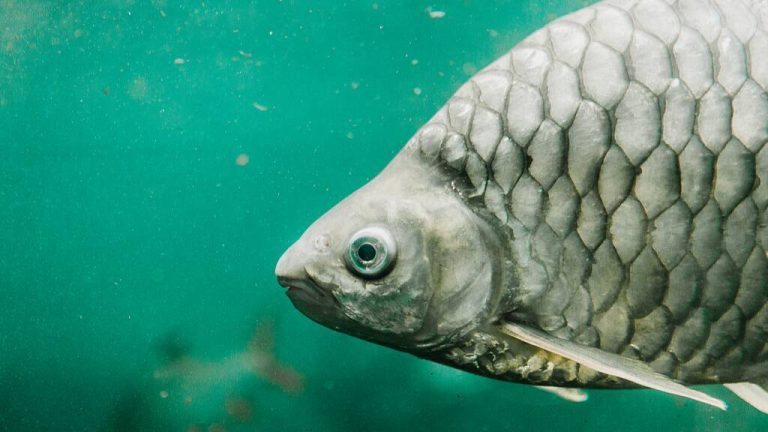
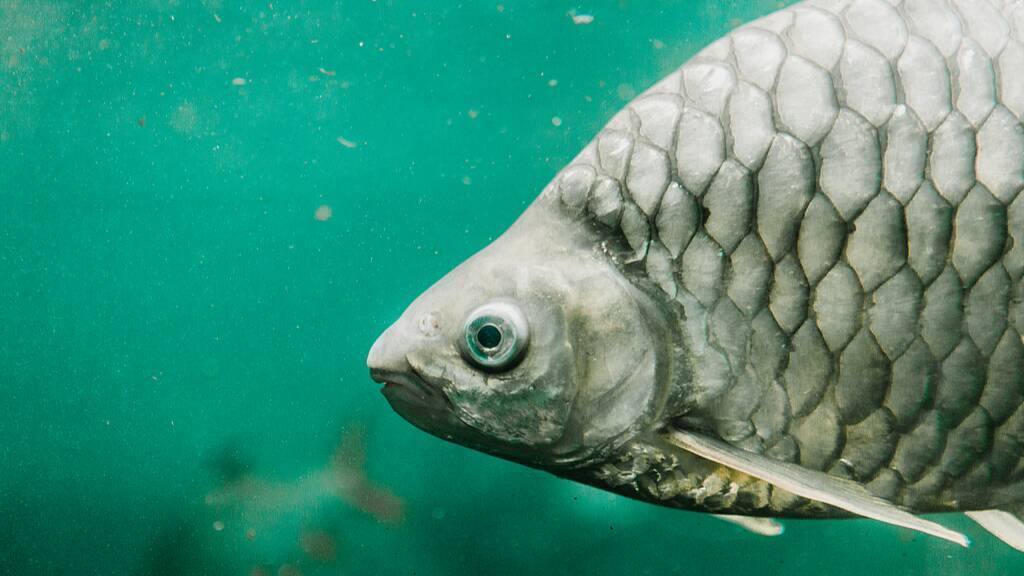
The world of food technology has witnessed a significant breakthrough in recent years, with scientists continually pushing the boundaries of what is possible. One such innovation that has garnered attention is the creation of a ‘bone-free’ fish, a development that is expected to revolutionize the way we consume fish. In a groundbreaking achievement, a team of scientists at the Chinese Academy of Sciences has successfully created a new strain of gibel carp fish that is virtually free of intermuscular bones, making it safer and easier to eat.
The gibel carp, a species of fish commonly consumed in China, has long been a favorite among locals and foreigners alike. However, one of the major drawbacks of consuming this fish is the presence of intermuscular bones, which can be a choking hazard, particularly for children and the elderly. These fine bones, also known as pin bones, are embedded in the flesh of the fish and can be difficult to remove, making the eating experience less enjoyable.
To address this issue, scientists at the Chinese Academy of Sciences employed the cutting-edge CRISPR gene-editing technology to disable a gene responsible for the development of intermuscular bones in the gibel carp. The CRISPR-Cas9 system, a powerful tool for editing genomes, allows researchers to make precise changes to the DNA of an organism, effectively “editing” out unwanted traits.
In this case, the scientists targeted a specific gene that controls the formation of intermuscular bones in the gibel carp. By disabling this gene, they were able to prevent the growth of these fine bones while keeping the fish’s main skeleton intact. The result is a fish that is not only safer to eat but also more convenient to consume.
The implications of this breakthrough are significant. For one, it reduces the risk of choking associated with eating fish with intermuscular bones. This is particularly important for vulnerable populations, such as children and the elderly, who are more susceptible to choking hazards. Additionally, the ‘bone-free’ fish is expected to make the eating experience more enjoyable, as consumers will no longer have to worry about encountering bones while eating.
The creation of ‘bone-free’ fish also has economic implications. The gibel carp is a widely consumed species in China, and the ability to produce a boneless version of this fish could lead to increased demand and higher prices for farmers and producers. Furthermore, the technology used to create the ‘bone-free’ fish could potentially be applied to other species, opening up new markets and opportunities for the fishing industry.
The use of CRISPR gene-editing technology in creating the ‘bone-free’ fish also highlights the potential of this tool in improving food safety and quality. Gene editing has been used in various applications, from developing disease-resistant crops to creating healthier livestock. The success of this project demonstrates the versatility of CRISPR and its potential to address complex problems in food production.
While the creation of ‘bone-free’ fish is a significant achievement, it is essential to consider the potential environmental and social implications of this technology. As with any new technology, there are concerns about the potential unintended consequences of gene editing on ecosystems and human health. Therefore, it is crucial to regulate the use of gene editing in food production and ensure that it is used responsibly and with caution.
In conclusion, the creation of ‘bone-free’ fish in China is a groundbreaking achievement that has the potential to revolutionize the way we consume fish. The use of CRISPR gene-editing technology to disable a gene responsible for intermuscular bones has resulted in a fish that is safer and easier to eat. As this technology continues to evolve, it is likely that we will see more innovative applications of gene editing in food production, leading to improved food safety, quality, and sustainability.
News Source: https://www.republicworld.com/science/boneless-fish-created-by-china-in-lab-after-years-of-research
About the Author