President Xi highlights AI and chip progress in New Year speech
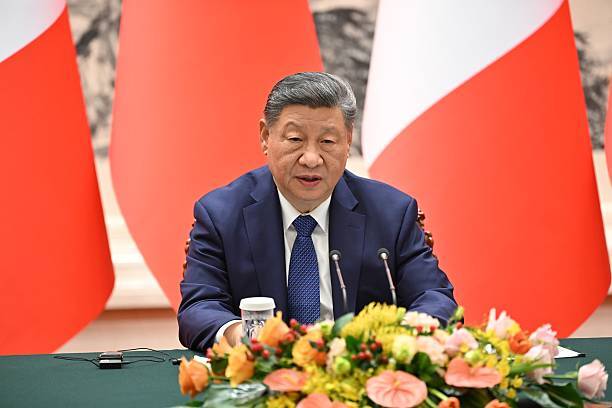
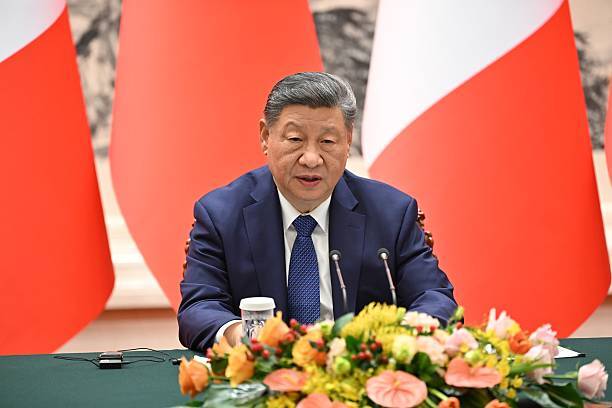
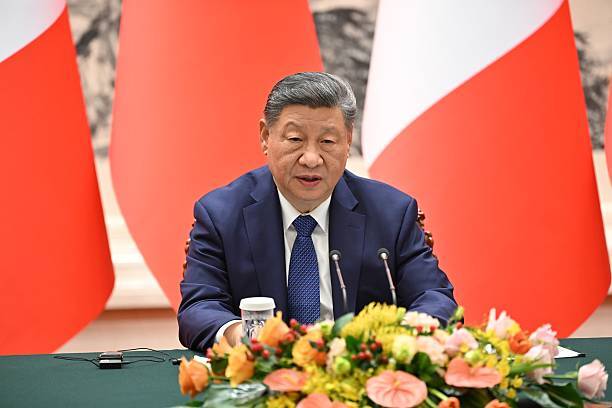
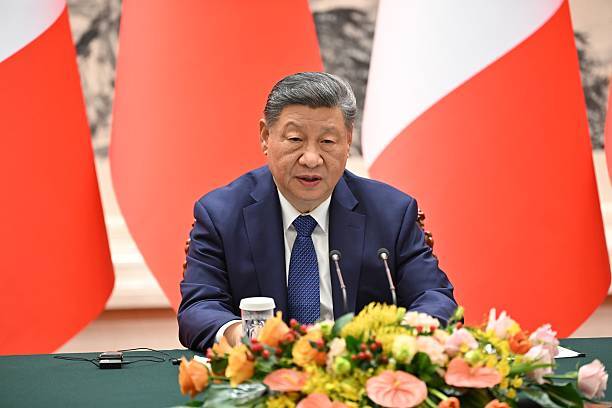
As the world welcomed a new year, Chinese President Xi Jinping took to the stage to deliver his annual New Year speech, highlighting the country’s significant progress in various technological fields, including artificial intelligence (AI), semiconductors, robotics, and defense. Despite facing global technological curbs, Xi emphasized that China is strengthening its position and is committed to achieving self-reliance in these critical areas.
In his speech, Xi underscored the importance of manufacturing recovery and self-reliance as China nears the end of its 14th Five-Year Plan and prepares for the next cycle beginning in 2026. The 14th Five-Year Plan, which runs from 2021 to 2025, has been instrumental in driving China’s technological advancements, with a focus on innovation, sustainability, and domestic development.
Xi’s emphasis on AI and chip progress is particularly noteworthy, given the country’s efforts to reduce its reliance on foreign technology and develop its own domestic capabilities. China has been actively investing in AI research and development, with a focus on applications such as natural language processing, computer vision, and machine learning. The country has also made significant strides in semiconductor manufacturing, with companies like SMIC and HSMC leading the charge.
The Chinese government has been providing substantial support to the semiconductor industry, with initiatives such as the “Made in China 2025” plan, which aims to increase domestic production of core components, including semiconductors, to 40% by 2020 and 70% by 2025. While the country still lags behind global leaders like the United States, Taiwan, and South Korea, its progress in recent years has been impressive, with many Chinese companies now producing high-quality semiconductors for a range of applications.
Xi’s speech also highlighted the importance of robotics and defense technology, areas where China has been making significant investments in recent years. The country has been developing advanced robotics capabilities, including autonomous systems, robotic arms, and humanoid robots, with applications in industries such as manufacturing, healthcare, and logistics. In defense, China has been investing in areas such as hypersonic missiles, stealth aircraft, and advanced radar systems, with a focus on developing a more modern and technologically advanced military.
The President’s emphasis on self-reliance and domestic development is also significant, given the current global context. The United States and other countries have been imposing restrictions on China’s access to advanced technologies, including semiconductors and AI software, citing national security concerns. However, Xi’s speech suggests that China is committed to developing its own domestic capabilities, regardless of external pressures.
The implications of Xi’s speech are far-reaching, with potential impacts on China’s economic development, global trade, and technological advancements. As China continues to invest in AI, semiconductors, robotics, and defense, it is likely to become an increasingly important player in the global technological landscape. The country’s focus on self-reliance and domestic development may also lead to increased competition with other countries, particularly in areas such as semiconductor manufacturing and AI research.
In conclusion, President Xi’s New Year speech highlights China’s significant progress in AI, semiconductors, robotics, and defense, despite facing global technological curbs. The country’s commitment to self-reliance and domestic development is likely to have far-reaching implications for its economic development, global trade, and technological advancements. As China prepares for the next cycle of its Five-Year Plan, it is clear that the country will continue to play an increasingly important role in shaping the global technological landscape.
About the Author