I am a maker, not a taker like Bernie Sanders: Elon Musk
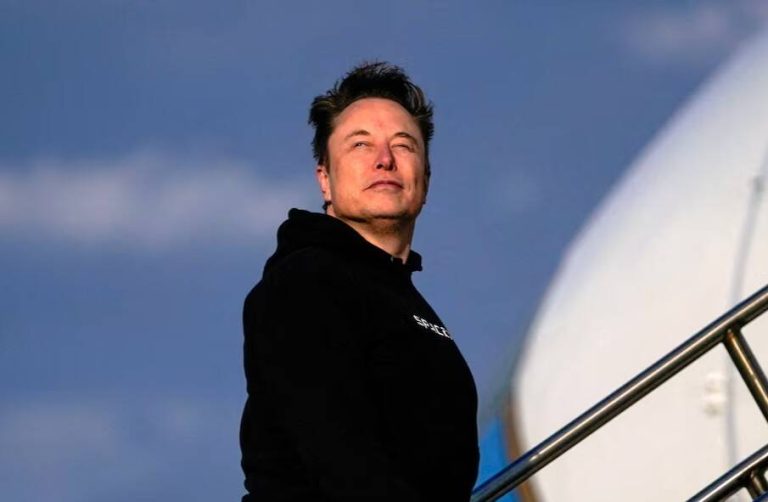
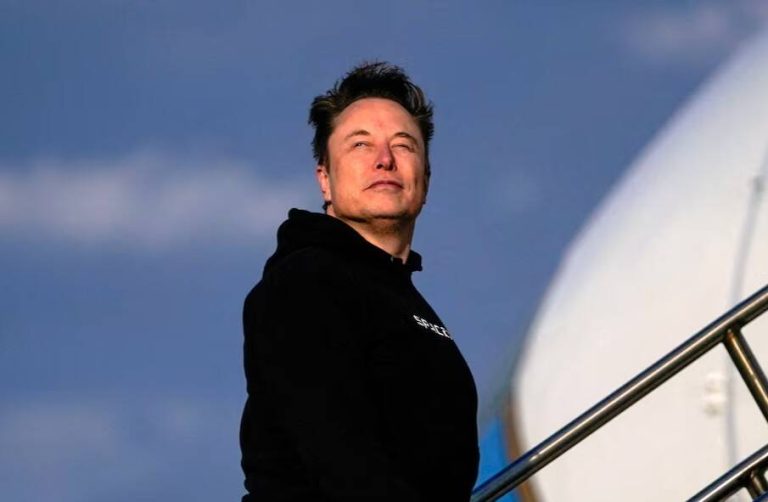
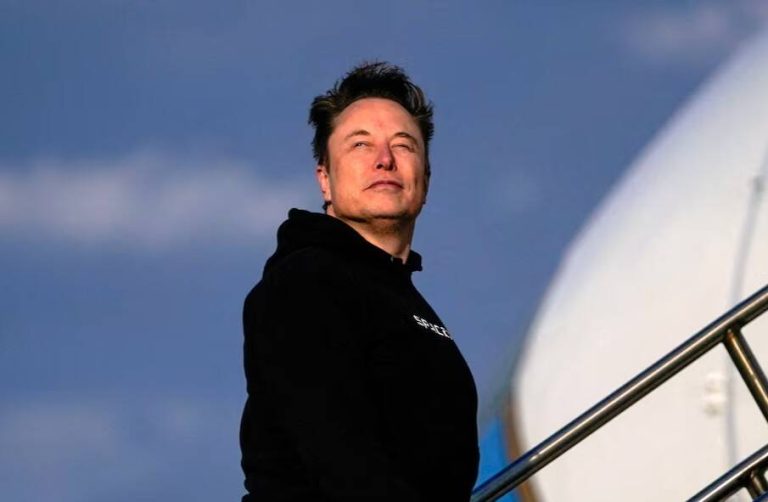
In a recent statement, Elon Musk, the billionaire CEO of Tesla and SpaceX, sparked a heated debate about the role of wealth and productivity in society. Musk, known for his innovative and ambitious ventures, claimed that his wealth, which is largely tied to the shares of his companies, can only increase by producing more products and services for the public. This statement was not just a reflection of his business philosophy but also a subtle critique of certain politicians, particularly those like Bernie Sanders, who Musk believes represent a “taker” mentality.
Musk’s statement, “That is because I am a maker, not a taker like the Bernie Sanders-type politicians of the world,” highlights a fundamental difference in how he views wealth creation and the role of entrepreneurs versus politicians. According to Musk, makers are those who generate wealth by creating products and services that meet the needs of the public, thereby increasing their wealth through genuine economic activity. On the other hand, takers are those who, in Musk’s view, accumulate wealth not through innovation or hard work but through redistribution or political leverage.
This distinction between makers and takers touches on a broader economic and philosophical debate about the nature of wealth, work, and government intervention in the economy. Proponents of the maker ethos, like Musk, argue that wealth is best created through entrepreneurial spirit, innovation, and the free market. They believe that when individuals are free to pursue their ideas and are rewarded for their efforts, it leads to economic growth and prosperity for all.
In contrast, politicians like Bernie Sanders, who Musk indirectly criticizes, often advocate for a more equitable distribution of wealth, suggesting that the current system allows for too much concentration of wealth among a few individuals. Sanders and like-minded politicians propose policies such as progressive taxation, increased regulation of large corporations, and social welfare programs to address income inequality and ensure that everyone has access to basic needs like healthcare and education.
Musk’s criticism of the “taker” mentality, as he perceives it, also reflects his concerns about the potential disincentives of overly progressive taxation and extensive government intervention in the economy. He believes, and has stated on numerous occasions, that high tax rates and excessive regulation can stifle innovation and discourage entrepreneurship, as they reduce the potential rewards for risk-taking and hard work.
The debate between these two perspectives is not new and has been a central theme in economic and political discussions for centuries. On one side, there are those who believe in the power of the free market to create wealth and prosperity, with government intervention kept to a minimum. On the other side, there are proponents of a more active role for government in regulating the economy and ensuring social justice.
Elon Musk’s statement and the philosophy it represents have sparked a lively discussion, with some praising his commitment to innovation and wealth creation through productive means, while others criticize his views as overly simplistic or dismissive of the challenges faced by those who are not as fortunate or privileged.
Regardless of where one stands on this debate, it is clear that Elon Musk’s achievements as a maker have had a profound impact on the world. Through Tesla, he has been at the forefront of the electric vehicle revolution, pushing the automotive industry towards a more sustainable future. With SpaceX, he is pioneering private space exploration, with ambitious plans to make humanity a multi-planetary species.
Musk’s ability to inspire and his track record of turning seemingly impossible ideas into reality are testaments to the power of innovation and the maker ethos. However, the challenge of ensuring that the benefits of economic growth and technological advancement are shared equitably among all members of society remains a pressing issue, one that requires a nuanced and balanced approach that considers both the importance of entrepreneurship and the need for social responsibility.
In conclusion, Elon Musk’s assertion that he is a maker, not a taker, reflects a profound belief in the power of innovation and entrepreneurship to create wealth and improve the human condition. While his views may not align with those of all politicians or economic theorists, they represent an important perspective in the ongoing debate about the best way to foster economic growth, address inequality, and build a prosperous future for all.
News Source: https://x.com/elonmusk/status/2006014310607167607
About the Author