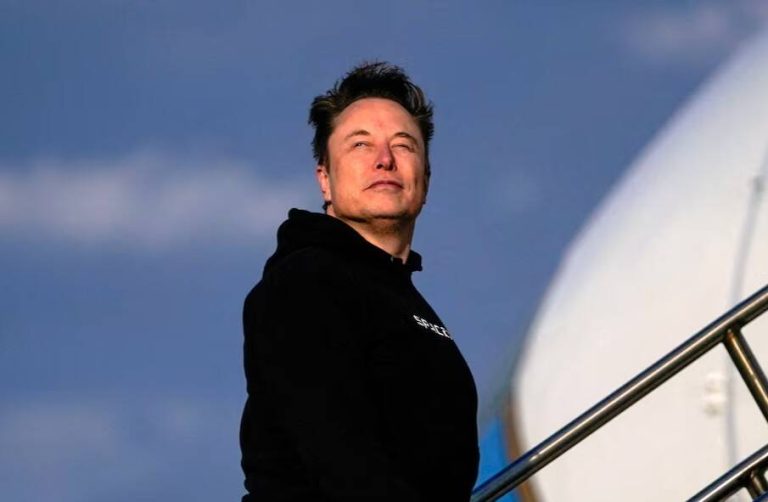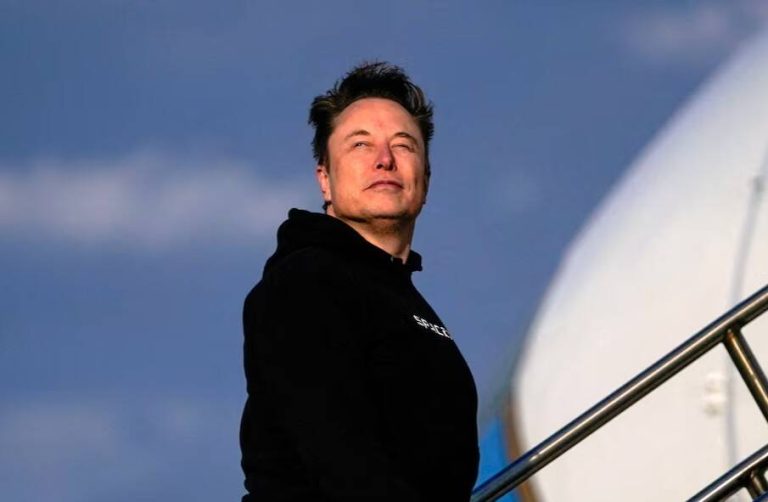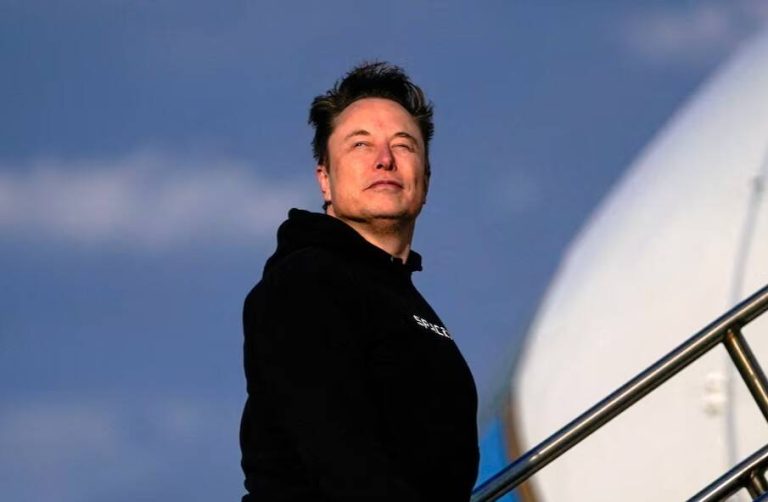
I am a maker, not a taker like Bernie Sanders: Elon Musk
In a recent statement, Elon Musk, the billionaire CEO of Tesla and SpaceX, sparked a heated debate about the role of entrepreneurship and wealth creation in society. Musk, known for his innovative ventures and ambitious goals, took a swipe at politicians like Bernie Sanders, implying that they are more focused on taking from others rather than creating value themselves. According to Musk, his wealth, which is largely tied to the success of Tesla and SpaceX, can “only increase due to producing more products and services for the public.” This statement highlights the fundamental difference between Musk’s approach to wealth creation and that of politicians who rely on redistributive policies.
Musk’s statement, “That is because I am a maker, not a taker like the Bernie Sanders-type politicians of the world,” suggests that he views himself as a creator of value, rather than someone who relies on the efforts of others to accumulate wealth. He further emphasized this point by saying, “They take…because they cannot or will not make,” implying that politicians like Sanders are more focused on redistributing wealth rather than creating it. This comment has sparked a lively debate about the role of entrepreneurship, innovation, and wealth creation in society.
On one hand, Musk’s statement can be seen as a testament to the power of innovation and entrepreneurship. By creating successful companies like Tesla and SpaceX, Musk has not only accumulated wealth but also created thousands of jobs, driven technological advancements, and contributed to the overall growth of the economy. His approach to wealth creation is centered around creating value for others, whether it’s through electric cars, renewable energy solutions, or space exploration. This approach has inspired a generation of entrepreneurs and innovators who are working to create positive change in the world.
On the other hand, critics of Musk’s statement argue that it oversimplifies the complex issues surrounding wealth inequality and the role of government in addressing social and economic problems. They point out that politicians like Sanders are not simply “takers” but rather advocates for policies that aim to reduce income inequality, provide access to healthcare and education, and protect the environment. These policies, while potentially redistributive in nature, are designed to create a more equitable society and ensure that everyone has access to the same opportunities.
Furthermore, critics argue that Musk’s statement ignores the fact that his own success is, in part, due to government support and subsidies. For example, Tesla has received significant tax credits and subsidies for its electric cars, which have helped to drive the company’s growth. Similarly, SpaceX has received billions of dollars in contracts from NASA and the US government, which have enabled the company to develop its rocket technology and pursue ambitious space exploration goals. This raises questions about the extent to which Musk’s wealth is truly the result of his own efforts, rather than the result of government support and investment.
Despite these criticisms, Musk’s statement highlights an important aspect of the debate surrounding wealth creation and entrepreneurship. While it is true that government policies and subsidies can play a crucial role in supporting innovation and economic growth, it is also true that entrepreneurs and innovators like Musk are driving forces behind job creation, technological advancements, and economic progress. By creating value for others, entrepreneurs like Musk are able to accumulate wealth, but they also contribute to the overall growth and prosperity of society.
In conclusion, Elon Musk’s statement about being a “maker, not a taker” has sparked a lively debate about the role of entrepreneurship, innovation, and wealth creation in society. While critics argue that his statement oversimplifies complex issues and ignores the role of government support, Musk’s approach to wealth creation highlights the importance of creating value for others. As the world continues to grapple with issues of income inequality, economic growth, and social justice, it is clear that entrepreneurs and innovators like Musk will play a crucial role in shaping the future of our society.
News source: https://x.com/elonmusk/status/2006014310607167607
About the Author