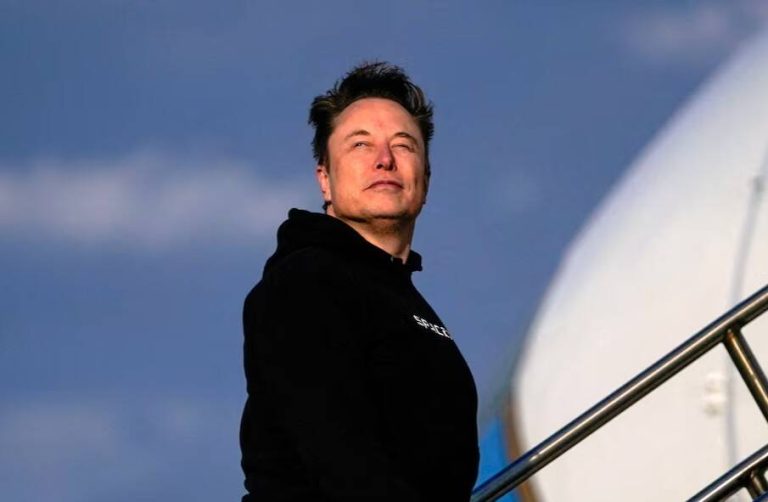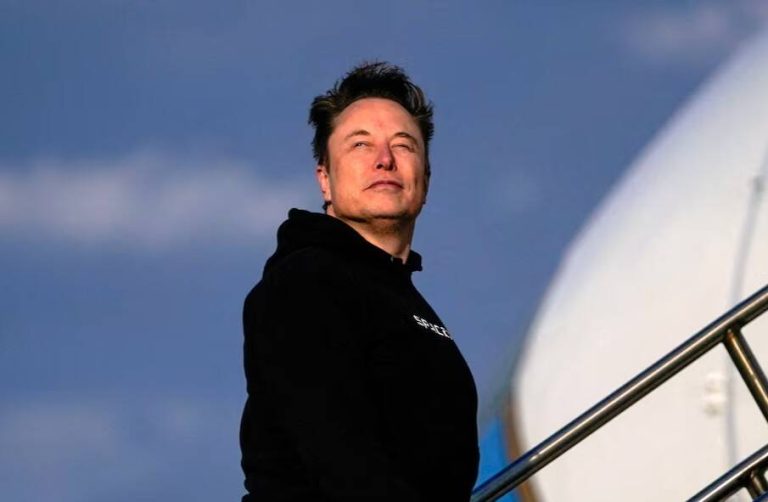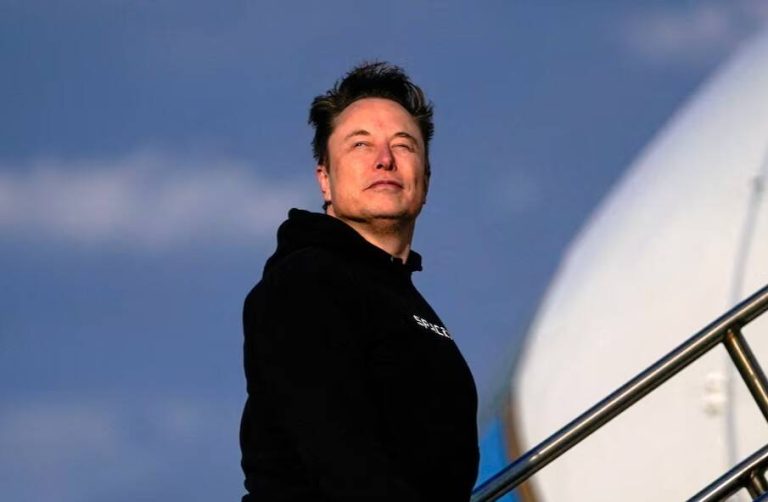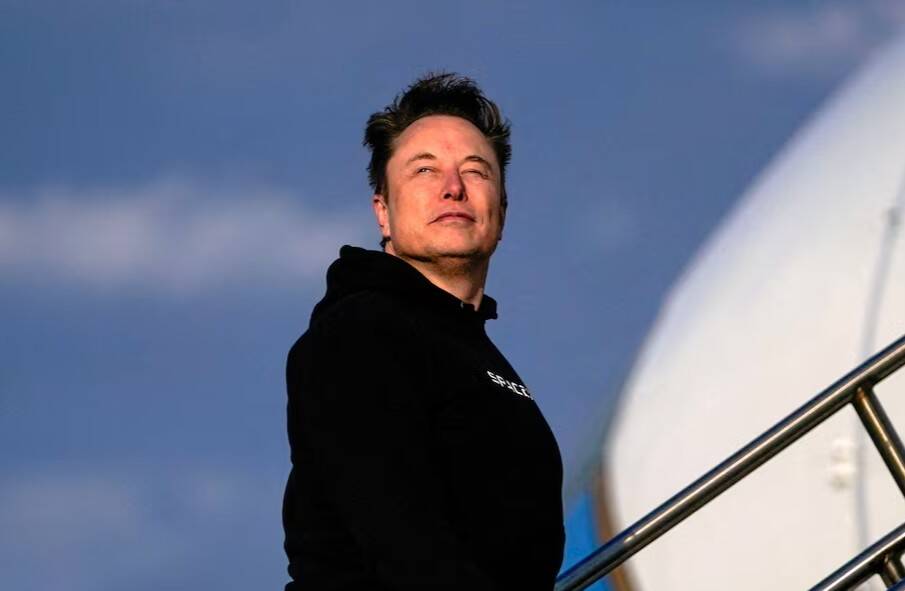
I am a maker, not a taker like Bernie Sanders: Elon Musk
In a recent statement, Elon Musk, the billionaire CEO of Tesla and SpaceX, sparked a heated debate when he referred to himself as a “maker” rather than a “taker” like some politicians, particularly those of the Bernie Sanders type. This statement has ignited a firestorm of reactions, with many people weighing in on the matter. In this blog post, we will delve into the context of Musk’s statement, explore what he means by being a “maker,” and examine the implications of his words.
Musk’s statement came in response to the ongoing discussion about wealth inequality and the role of billionaires in society. As one of the richest individuals in the world, Musk’s wealth is largely tied to his ownership of Tesla and SpaceX shares. He argued that his wealth can “only increase due to producing more products and services for the public.” This statement highlights Musk’s belief that his wealth is a direct result of his innovative endeavors and his ability to create value for society.
By referring to himself as a “maker,” Musk is emphasizing his role as a producer and creator of goods and services that benefit the public. He is implying that his wealth is not simply a result of luck or privilege, but rather a result of his hard work and dedication to creating innovative products and services. This perspective is in line with the traditional American ideal of the self-made entrepreneur, who through their own efforts and ingenuity, is able to achieve success and create value for others.
On the other hand, Musk’s reference to “takers” like Bernie Sanders-type politicians is more complex and open to interpretation. Musk seems to be suggesting that these politicians are more focused on redistributing wealth rather than creating it. He is implying that they are more interested in taking from those who have created wealth, rather than creating wealth themselves. This perspective is often associated with conservative and libertarian ideologies, which emphasize the importance of individual initiative and limited government intervention in the economy.
It is worth noting that Bernie Sanders, the senator from Vermont, has been a vocal advocate for progressive policies aimed at reducing wealth inequality and increasing access to social services. His policies often involve increasing taxes on the wealthy and using the revenue to fund social programs and infrastructure development. From Sanders’ perspective, his policies are aimed at creating a more just and equitable society, where everyone has access to the same opportunities and resources.
Musk’s statement has sparked a heated debate, with many people defending or criticizing his views. Some have argued that Musk’s statement is a classic example of the “bootstrap mentality,” which ignores the role of privilege and luck in achieving success. Others have argued that Musk’s statement is a testament to the power of innovation and entrepreneurship, and that his success is a result of his own hard work and dedication.
Regardless of one’s perspective on the matter, it is clear that Musk’s statement has highlighted the ongoing debate about wealth inequality and the role of billionaires in society. As the world grapples with the challenges of poverty, inequality, and climate change, it is essential to have a nuanced and informed discussion about the best ways to create a more just and equitable society.
In conclusion, Elon Musk’s statement has sparked a heated debate about the role of billionaires in society and the nature of wealth creation. By referring to himself as a “maker” rather than a “taker,” Musk is emphasizing his role as a producer and creator of goods and services that benefit the public. While his statement has been subject to various interpretations, it is clear that it has highlighted the ongoing debate about wealth inequality and the best ways to create a more just and equitable society.
As we move forward, it is essential to have a nuanced and informed discussion about the role of innovation, entrepreneurship, and government policy in creating a better world for all. By examining the complexities of wealth creation and the role of billionaires in society, we can work towards creating a more just and equitable society, where everyone has access to the same opportunities and resources.
Source: https://x.com/elonmusk/status/2006014310607167607
About the Author