‘Bone-free’ fish created in China
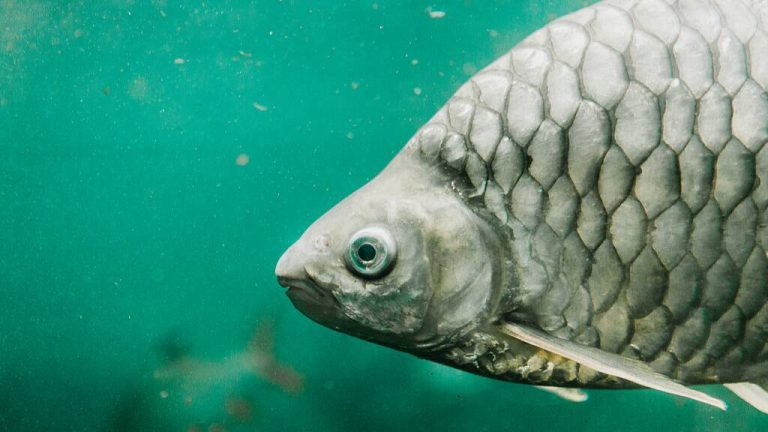
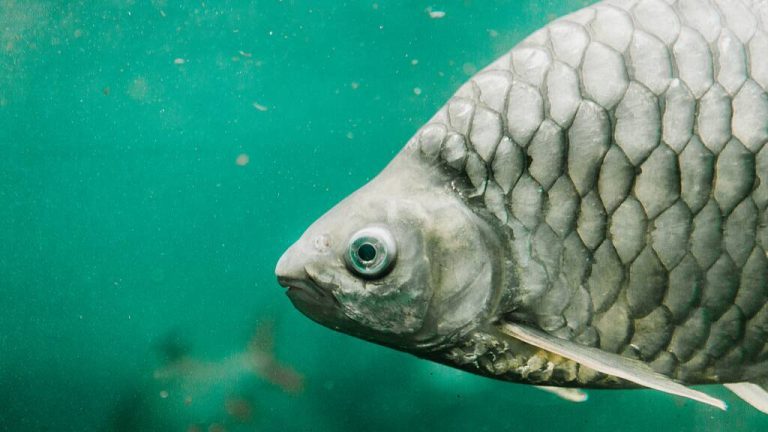
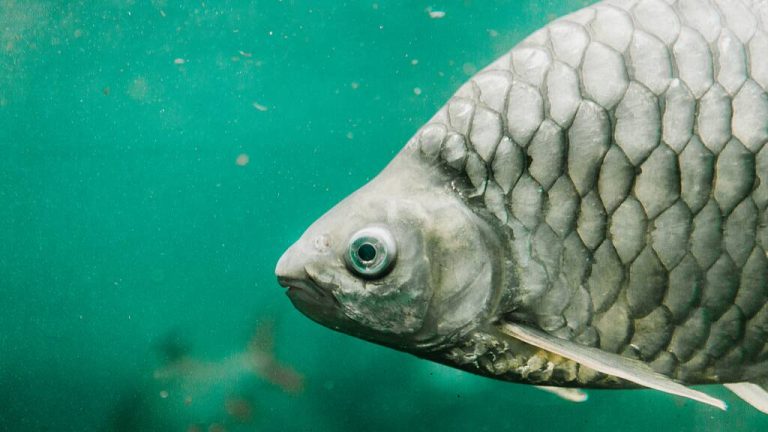
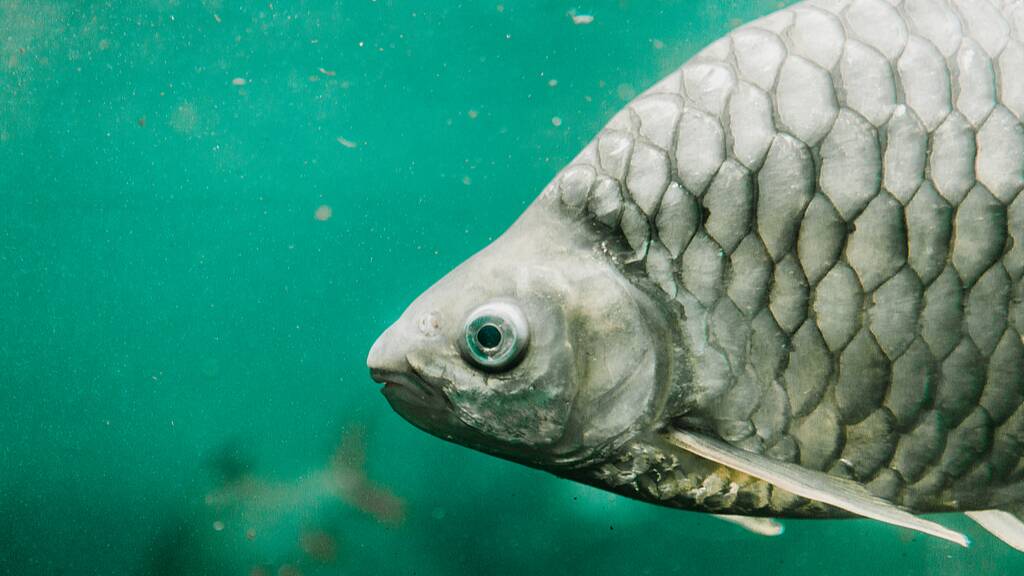
In a groundbreaking achievement, scientists in China have successfully created a new strain of gibel carp fish that is virtually free of intermuscular bones. This innovative breakthrough has the potential to revolutionize the way we consume fish, making it safer and easier to eat. The team of scientists at the Chinese Academy of Sciences used the powerful CRISPR gene-editing tool to disable a specific gene responsible for the development of fine bones within the fish’s muscles, while keeping the main skeleton intact.
The creation of ‘bone-free’ fish is a significant milestone in the field of aquaculture and genetic engineering. For years, researchers have been working to develop new strains of fish that are not only more sustainable but also safer for human consumption. The presence of intermuscular bones, also known as pin bones, has long been a concern for fish consumers, as they can pose a choking hazard, particularly for young children and the elderly. According to the World Health Organization (WHO), choking is a leading cause of unintentional injury and death worldwide, with food being a common culprit.
The use of CRISPR gene-editing technology has been instrumental in achieving this breakthrough. CRISPR, which stands for Clustered Regularly Interspaced Short Palindromic Repeats, is a powerful tool that allows scientists to edit genes with unprecedented precision. By targeting specific genes, researchers can disable or modify them to produce desired traits. In the case of the ‘bone-free’ fish, the scientists identified a gene responsible for the development of intermuscular bones and used CRISPR to disable it.
The resulting fish, which has been named the “gibel carp,” is a type of freshwater fish that is commonly consumed in China. The new strain has been found to be virtually free of intermuscular bones, making it an attractive option for consumers who are looking for a safer and more convenient way to enjoy fish. The fish’s main skeleton remains intact, ensuring that it retains its structural integrity and nutritional value.
The implications of this breakthrough are significant. With the creation of ‘bone-free’ fish, the risk of choking hazards associated with fish consumption is greatly reduced. This is particularly important for vulnerable populations, such as the elderly and young children, who are more susceptible to choking. Additionally, the new strain of fish is likely to be more appealing to consumers who are put off by the presence of bones in their fish.
The development of ‘bone-free’ fish also has the potential to improve the sustainability of the fishing industry. Traditional fishing methods often result in a significant amount of waste, with bones and other inedible parts being discarded. With the new strain of fish, the amount of waste generated during processing is likely to be reduced, making the industry more efficient and environmentally friendly.
Furthermore, the use of CRISPR gene-editing technology in the creation of ‘bone-free’ fish demonstrates the vast potential of this tool in improving food security and sustainability. By targeting specific genes, scientists can develop new strains of crops and livestock that are more resilient, nutritious, and sustainable. This technology has the potential to revolutionize the way we produce food, making it more efficient, sustainable, and safe for human consumption.
In conclusion, the creation of ‘bone-free’ fish in China is a significant achievement that has the potential to transform the way we consume fish. The use of CRISPR gene-editing technology has enabled scientists to develop a new strain of fish that is safer, more convenient, and more sustainable. As the world’s population continues to grow, the demand for sustainable and safe food sources will only increase. The development of ‘bone-free’ fish is a testament to the power of innovation and technology in addressing this challenge.
News Source: https://www.republicworld.com/science/boneless-fish-created-by-china-in-lab-after-years-of-research
About the Author