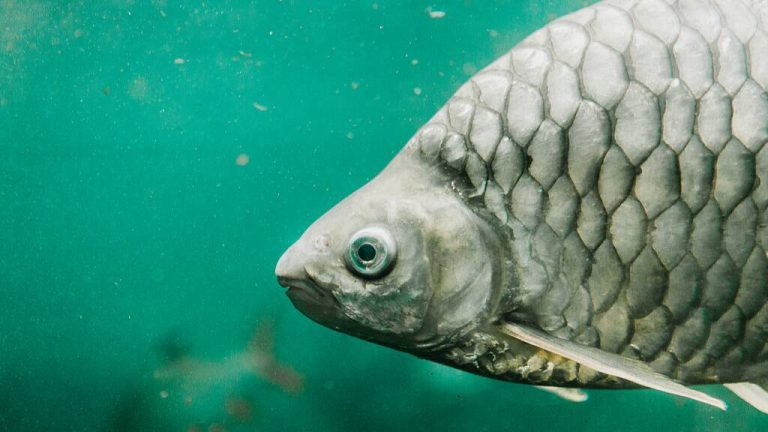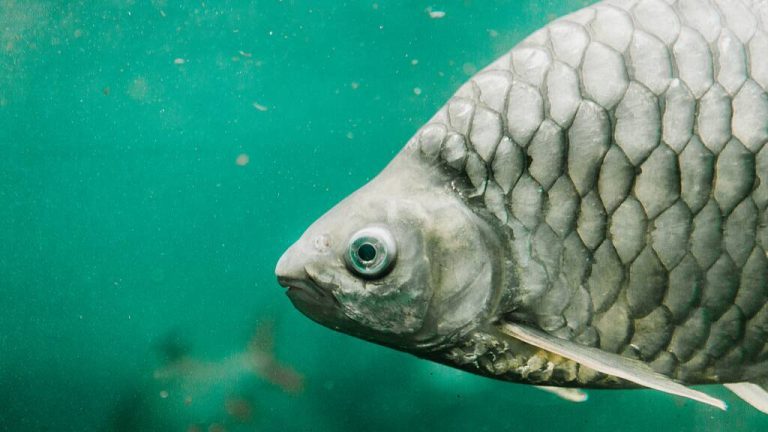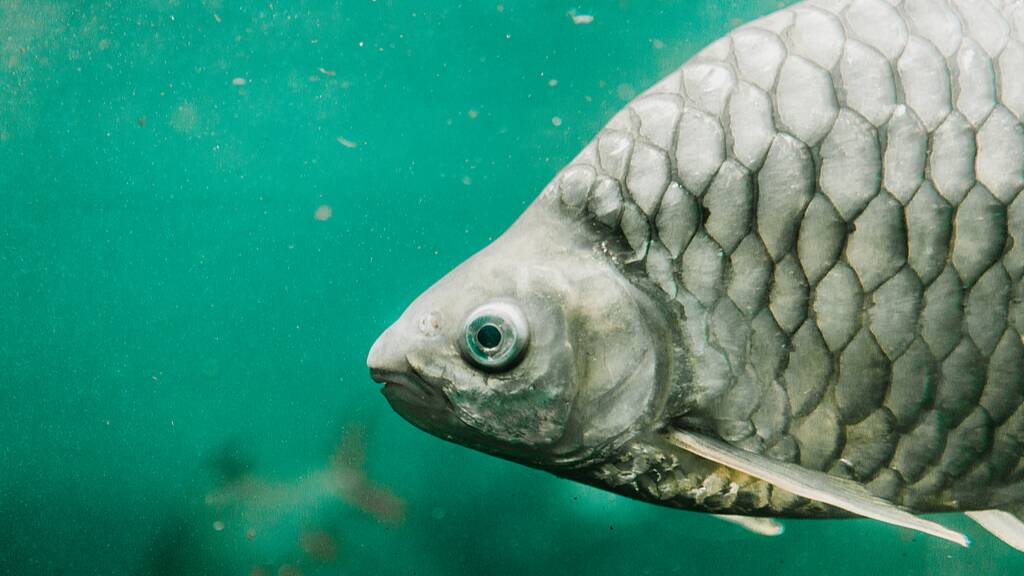
‘Bone-free’ fish created in China
In a groundbreaking achievement, scientists in China have successfully created a new strain of gibel carp fish that is virtually free of intermuscular bones. This innovative breakthrough has the potential to revolutionize the way we consume fish, making it safer and easier to eat. The team of researchers at the Chinese Academy of Sciences used CRISPR gene-editing technology to disable a specific gene responsible for the development of fine bones within the fish’s flesh, while keeping the main skeleton intact.
The creation of ‘bone-free’ fish is a significant milestone in the field of aquaculture and food science. For centuries, people have been consuming fish with bones, which can be a nuisance and even a health hazard. The presence of small bones in fish can cause choking, especially in children and the elderly. Moreover, the process of deboning fish can be time-consuming and labor-intensive, making it a costly affair for the food industry.
The Chinese scientists used CRISPR (Clustered Regularly Interspaced Short Palindromic Repeats) gene-editing technology to achieve this remarkable feat. CRISPR is a powerful tool that allows researchers to edit genes with unprecedented precision and efficiency. By targeting specific genes, scientists can modify the genetic code of an organism, effectively ‘switching off’ or ‘switching on’ certain traits.
In this case, the researchers identified a gene responsible for the development of intermuscular bones in gibel carp fish. They then used CRISPR to disable this gene, effectively preventing the growth of these fine bones. The result is a fish that is virtually bone-free, with only the main skeleton remaining intact.
The implications of this breakthrough are significant. With ‘bone-free’ fish, the risk of choking is greatly reduced, making it safer for people to consume. Additionally, the process of deboning fish becomes unnecessary, saving time and labor costs for the food industry. This could lead to a reduction in the cost of fish products, making them more accessible and affordable for consumers.
Furthermore, the creation of ‘bone-free’ fish could also have environmental benefits. The reduction in deboning processes could lead to a decrease in waste generation, as well as a lower carbon footprint associated with the food industry. Moreover, the increased efficiency in fish processing could lead to a reduction in the demand for wild-caught fish, helping to conserve marine ecosystems.
The Chinese Academy of Sciences has been at the forefront of gene-editing research, with a strong focus on applying this technology to improve food security and sustainability. The creation of ‘bone-free’ fish is a testament to the institution’s commitment to innovation and its potential to transform the food industry.
While the breakthrough is significant, it is essential to note that the ‘bone-free’ fish is still in the experimental stages. Further research is needed to ensure the long-term safety and sustainability of this new strain of fish. Additionally, regulatory approvals will be required before the ‘bone-free’ fish can be commercially available.
In conclusion, the creation of ‘bone-free’ fish in China is a remarkable achievement that has the potential to transform the way we consume fish. With its reduced choking risk, increased efficiency in processing, and potential environmental benefits, this innovation could have a significant impact on the food industry. As research continues to advance, we can expect to see more exciting developments in the field of gene-editing and its applications in food science.
News Source: https://www.republicworld.com/science/boneless-fish-created-by-china-in-lab-after-years-of-research
About the Author