‘Bone-free’ fish created in China
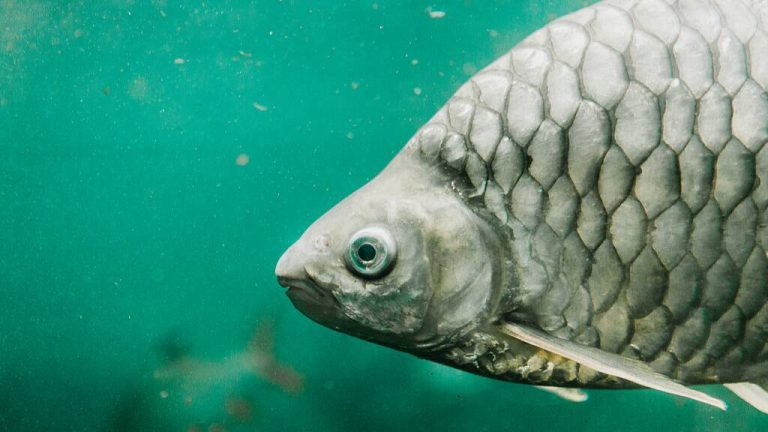
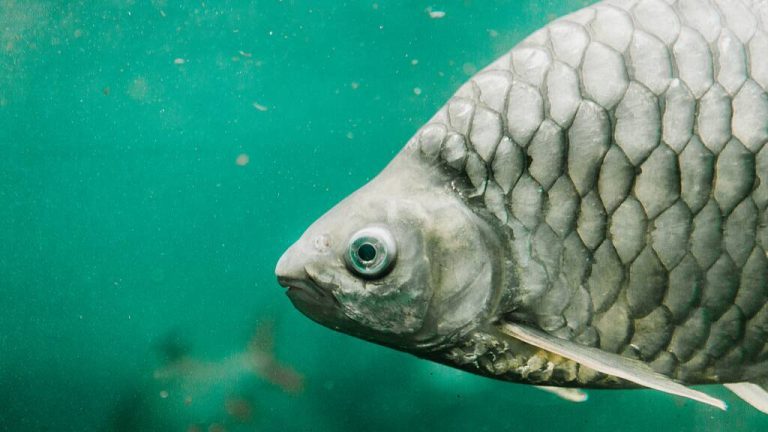
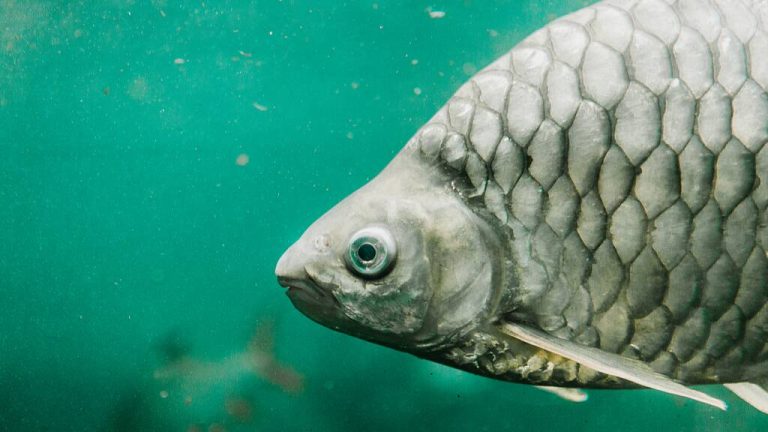
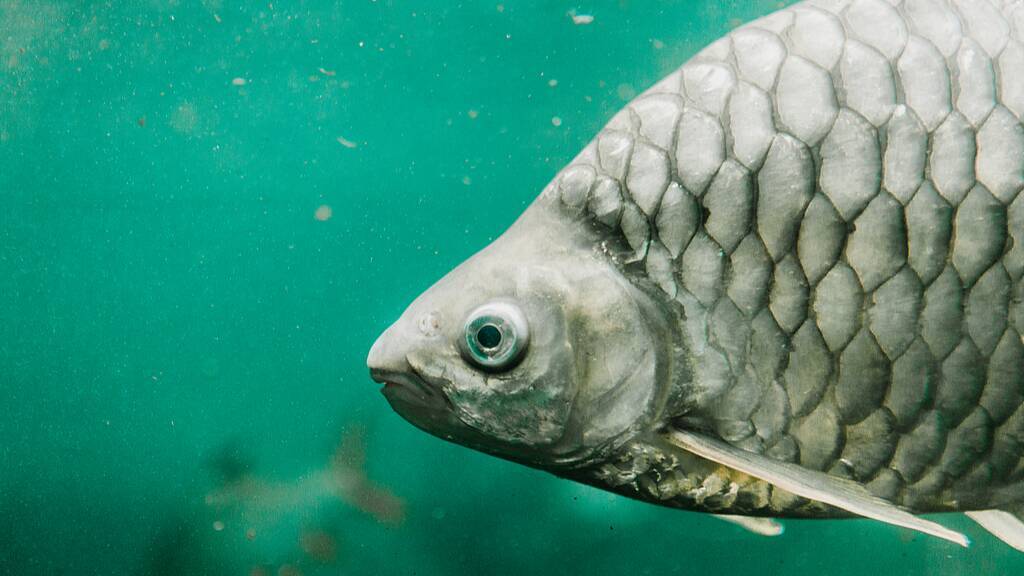
The world of aquaculture has just witnessed a significant breakthrough, courtesy of Chinese scientists. A team of researchers at the Chinese Academy of Sciences has successfully created a new strain of gibel carp fish that is virtually free of intermuscular bones. This innovative achievement has been made possible through the use of CRISPR gene-editing technology, which has enabled the scientists to disable a specific gene responsible for the development of these fine bones. The implications of this discovery are far-reaching, and it is expected to make a significant impact on the way we consume fish.
For many of us, eating fish can be a delightful experience, but it can also be a hazardous one. The presence of intermuscular bones, also known as pin bones, can pose a significant choking risk, especially for young children and the elderly. These bones are embedded in the flesh of the fish and can be difficult to detect, even for experienced cooks. The new strain of gibel carp fish created by the Chinese scientists, however, has done away with this problem. By disabling the gene responsible for the development of intermuscular bones, the researchers have effectively made the fish safer and easier to eat.
The use of CRISPR gene-editing technology has been instrumental in achieving this breakthrough. CRISPR, which stands for Clustered Regularly Interspaced Short Palindromic Repeats, is a powerful tool that allows scientists to edit genes with unprecedented precision. By targeting specific genes and disabling them, researchers can create new traits in organisms that would be difficult or impossible to achieve through traditional breeding methods. In the case of the gibel carp fish, the scientists used CRISPR to disable a gene called ” fstl1″, which is responsible for the development of intermuscular bones.
The fact that the scientists were able to disable the gene responsible for intermuscular bones while keeping the fish’s main skeleton intact is a significant achievement. The main skeleton of the fish, which includes the vertebrae, ribs, and other bones, is essential for its survival and mobility. By preserving the main skeleton while eliminating the intermuscular bones, the researchers have created a fish that is not only safer to eat but also retains its natural characteristics.
The creation of ‘bone-free’ fish has significant implications for the aquaculture industry. Fish is a staple food source for millions of people around the world, and the demand for it is increasing rapidly. However, the presence of intermuscular bones has always been a major concern for both consumers and producers. The new strain of gibel carp fish created by the Chinese scientists offers a solution to this problem, and it is expected to reduce the risk of choking and make fish consumption safer and more enjoyable.
The breakthrough also has significant economic implications. The global fish market is a multi-billion dollar industry, and the demand for boneless fish is expected to drive growth and innovation in the sector. The creation of ‘bone-free’ fish is likely to attract new consumers who were previously deterred by the presence of bones, and it is expected to increase the market share of companies that adopt this technology.
Furthermore, the use of CRISPR gene-editing technology in aquaculture has the potential to revolutionize the industry. By enabling scientists to create new traits in fish, such as improved disease resistance, enhanced growth rates, and increased nutritional content, CRISPR can help to increase the sustainability and efficiency of fish farming. This, in turn, can help to reduce the environmental impact of aquaculture and promote more responsible and sustainable fishing practices.
In conclusion, the creation of ‘bone-free’ fish in China is a significant breakthrough that has the potential to transform the aquaculture industry. By using CRISPR gene-editing technology to disable the gene responsible for intermuscular bones, the scientists have created a fish that is safer, easier to eat, and more enjoyable to consume. The implications of this discovery are far-reaching, and it is expected to drive growth, innovation, and sustainability in the global fish market.
News Source: https://www.republicworld.com/science/boneless-fish-created-by-china-in-lab-after-years-of-research
About the Author