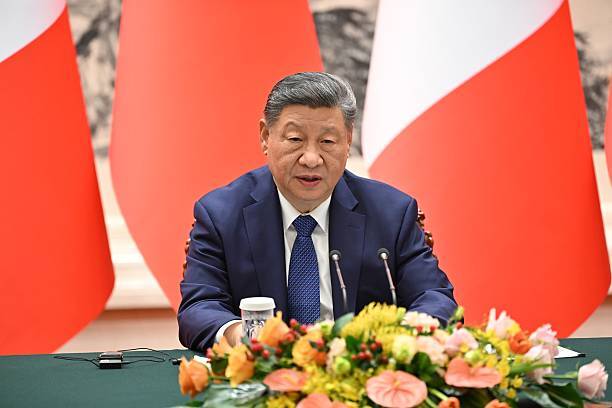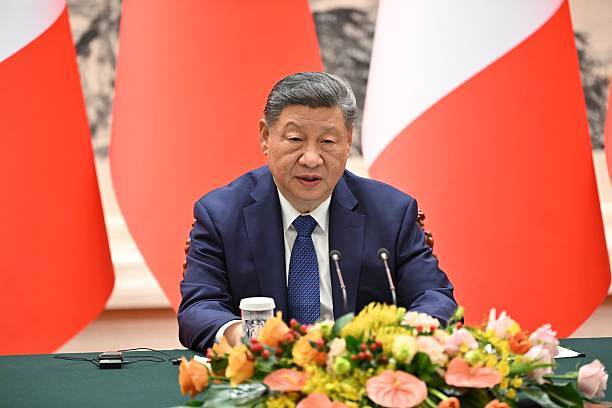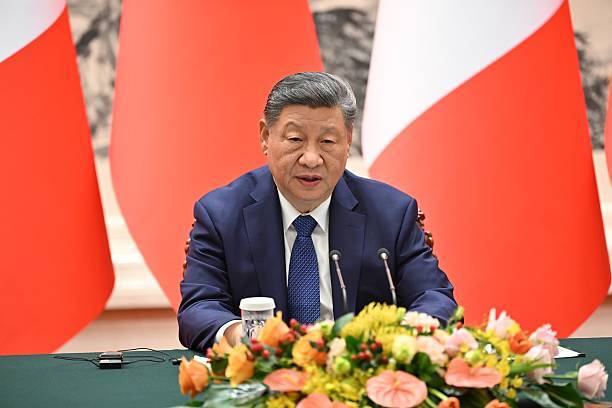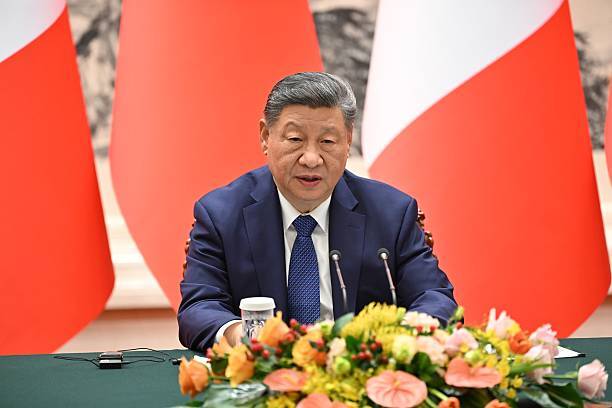
President Xi highlights AI and chip progress in New Year speech
As the world welcomed a new year, Chinese President Xi Jinping used his New Year speech to highlight the country’s significant advancements in artificial intelligence (AI), semiconductors, robotics, and defense. Despite facing global tech curbs, Xi emphasized that China is strengthening its position in the tech industry, with a focus on manufacturing recovery and self-reliance. This comes as China nears the end of its 14th Five-Year Plan and prepares for the next cycle beginning in 2026.
In his speech, Xi underscored the importance of technological innovation in driving China’s economic growth and global competitiveness. He noted that the country has made significant strides in AI, semiconductor manufacturing, and other high-tech fields, which are crucial for its long-term development. Xi’s emphasis on these areas is not surprising, given the growing demand for advanced technologies in various sectors, including healthcare, finance, and transportation.
China’s progress in AI has been remarkable, with the country making significant investments in research and development. The government has launched several initiatives to promote AI adoption, including the “New Generation Artificial Intelligence Development Plan,” which aims to make China a global leader in AI by 2030. Chinese tech companies, such as Baidu, Alibaba, and Tencent, have also been at the forefront of AI innovation, developing cutting-edge technologies like natural language processing, computer vision, and machine learning.
In addition to AI, Xi highlighted China’s advancements in semiconductor manufacturing, which is a critical component of the country’s tech industry. The government has invested heavily in the development of domestic semiconductor capabilities, with the goal of reducing reliance on foreign suppliers. This effort has gained momentum in recent years, with Chinese companies like SMIC and HSMC making significant progress in developing advanced semiconductor technologies.
Xi’s speech also touched on the importance of robotics and defense technologies, which are essential for China’s economic and national security. The country has made significant investments in these areas, with a focus on developing indigenous capabilities in areas like unmanned aerial vehicles (UAVs), autonomous systems, and cybersecurity. Chinese companies like DJI and UBTECH have become global leaders in the robotics and drone industries, while the government has established several research institutions and centers to develop advanced defense technologies.
Despite these advancements, China still faces significant challenges in the tech industry, particularly with regards to global tech curbs. The US and other countries have imposed restrictions on Chinese tech companies, citing national security concerns and intellectual property issues. These restrictions have had a significant impact on China’s tech industry, with many companies struggling to access critical technologies and components.
However, Xi’s speech suggests that China is committed to overcoming these challenges through self-reliance and indigenous innovation. The government has launched several initiatives to promote domestic innovation, including the “Made in China 2025” plan, which aims to make China a global leader in high-tech manufacturing. Chinese companies are also investing heavily in research and development, with a focus on developing cutting-edge technologies that can help the country reduce its reliance on foreign suppliers.
As China prepares for the next cycle of its Five-Year Plan, which begins in 2026, the country is likely to continue its focus on technological innovation and self-reliance. The government has set ambitious targets for the tech industry, including the development of advanced AI, semiconductor, and robotics capabilities. Chinese companies are also expected to play a major role in driving innovation, with many firms already making significant investments in research and development.
In conclusion, President Xi’s New Year speech highlights the significant progress China has made in AI, semiconductors, robotics, and defense, despite facing global tech curbs. The country’s commitment to self-reliance and indigenous innovation is likely to drive further advancements in these areas, with a focus on manufacturing recovery and technological innovation. As China continues to grow and develop, its tech industry is likely to play an increasingly important role in driving economic growth and global competitiveness.
About the Author