Magnitude 6 earthquake hits Japan on New Year’s Eve
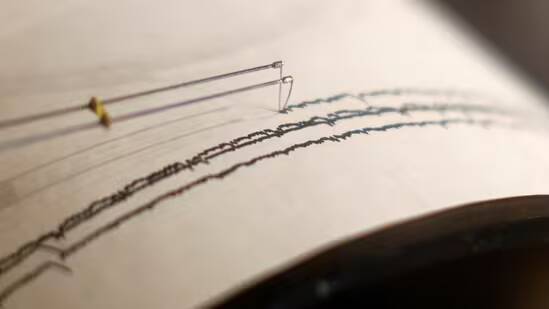
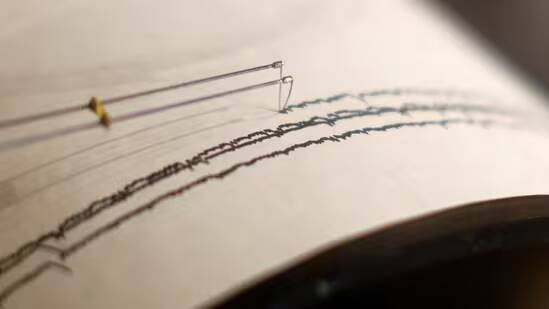
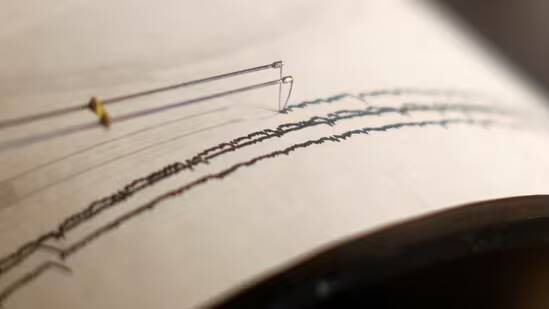
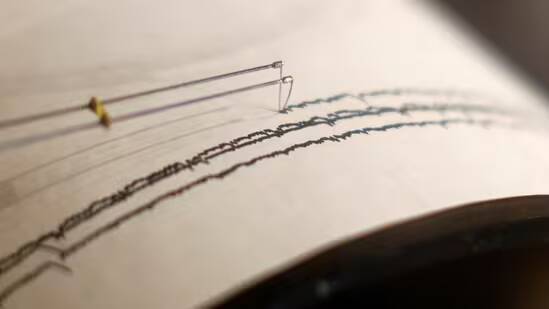
As the world welcomed the start of a new year, Japan was hit by a significant earthquake on New Year’s Eve. According to the United States Geological Survey (USGS), an earthquake with a magnitude of 6 struck the eastern Noda region of Japan. The quake had a depth of 19.3 km (11.99 miles), and its epicentre was located at 40.112°N, 142.889°E.
Fortunately, no casualties or injuries were reported immediately, which is a relief considering the magnitude of the earthquake. The USGS is the primary agency responsible for monitoring and reporting seismic activity worldwide, and their prompt reporting helps in assessing the situation and providing necessary assistance.
Earthquakes are a common occurrence in Japan, which is located in the Pacific Ring of Fire, a region prone to seismic activity. The country has a long history of experiencing powerful earthquakes, and its inhabitants are well-prepared to deal with such situations. The Japanese government and emergency services are always on high alert, especially during periods of increased seismic activity.
The Noda region, where the earthquake struck, is located in the northern part of Japan’s main island, Honshu. The region is known for its natural beauty, with rugged coastlines and scenic landscapes. However, its location in the Pacific Ring of Fire makes it vulnerable to earthquakes and volcanic eruptions.
The earthquake struck at a time when people were celebrating the start of a new year, and it is likely that many were caught off guard. However, the fact that no casualties or injuries were reported suggests that the Japanese emergency services and disaster management systems are effective in responding to such situations.
The USGS has been monitoring the situation, and their reports suggest that the earthquake was a significant one. The agency uses a variety of techniques to measure the magnitude of an earthquake, including seismic waves and ground deformation. The magnitude 6 earthquake is considered a moderate to strong earthquake, capable of causing significant damage to buildings and infrastructure.
In recent years, Japan has experienced several significant earthquakes, including the 2011 Tohoku earthquake and tsunami, which caused widespread destruction and loss of life. The country has since implemented various measures to mitigate the impact of earthquakes, including the development of early warning systems and evacuation drills.
The Japanese government has also invested heavily in disaster management and emergency response, including the creation of a dedicated disaster management agency. The agency is responsible for coordinating responses to natural disasters, including earthquakes, typhoons, and volcanic eruptions.
As the world begins a new year, the earthquake in Japan serves as a reminder of the importance of disaster preparedness and management. It highlights the need for countries to invest in emergency response systems, early warning systems, and public education campaigns to mitigate the impact of natural disasters.
In conclusion, the magnitude 6 earthquake that struck Japan’s eastern Noda region on New Year’s Eve is a significant event that highlights the importance of disaster preparedness and management. The fact that no casualties or injuries were reported is a testament to the effectiveness of Japan’s emergency services and disaster management systems. As the world moves forward into a new year, it is essential to prioritize disaster preparedness and management to minimize the impact of natural disasters.
The earthquake also serves as a reminder of the importance of international cooperation and knowledge sharing in disaster management. Countries can learn from each other’s experiences and best practices in responding to natural disasters, and sharing knowledge and expertise can help save lives and reduce the impact of disasters.
As we move forward into a new year, it is essential to prioritize disaster preparedness and management, and to work together to minimize the impact of natural disasters. By doing so, we can create a safer and more resilient world for all.
About the Author