I am a maker, not a taker like Bernie Sanders: Elon Musk
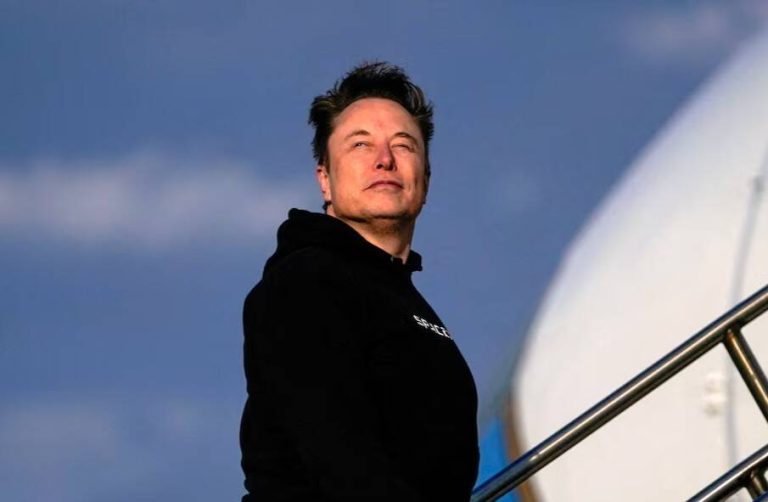
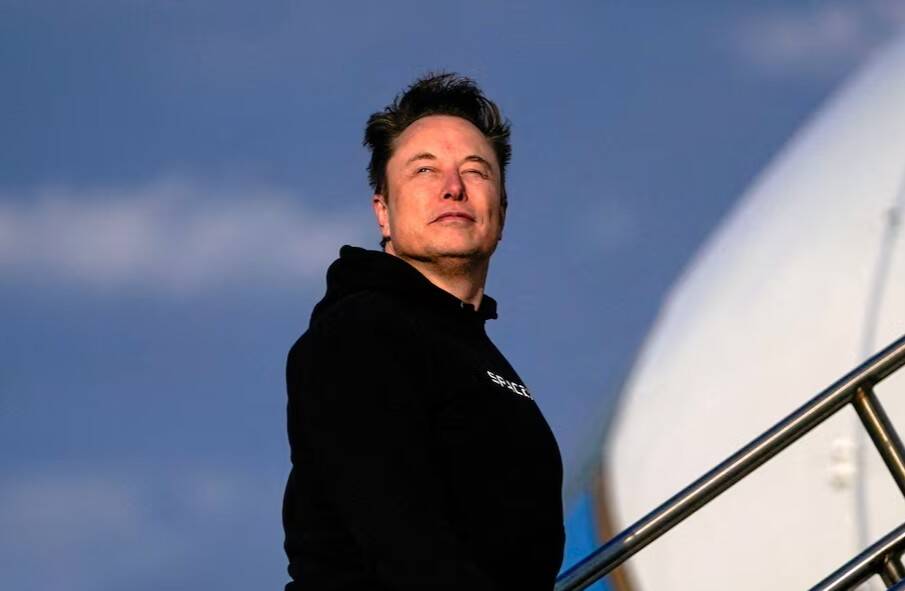
In a recent statement, Elon Musk, the billionaire entrepreneur and CEO of Tesla and SpaceX, sparked a heated debate about the role of wealth and entrepreneurship in society. Musk, who is known for his innovative and ambitious ventures, claimed that his wealth is tied to the success of his companies and the value they bring to the public. He also took a swipe at politicians like Bernie Sanders, whom he accused of being “takers” rather than “makers”.
Musk’s statement was in response to criticism about the wealth gap and the concentration of wealth among a few individuals. He argued that his wealth, which is largely tied to Tesla and SpaceX shares, can “only increase due to producing more products and services for the public”. This, he claimed, is because he is a “maker”, someone who creates value and wealth through innovation and hard work.
“That is because I am a maker, not a taker like the Bernie Sanders-type politicians of the world,” Musk stated. “They take…because they cannot or will not make,” he added. This statement has sparked a lively debate about the role of entrepreneurship and wealth creation in society.
On one hand, Musk’s argument is that wealth creation is a result of innovation and hard work. He believes that by creating successful companies like Tesla and SpaceX, he is bringing value to the public and creating jobs and opportunities for many people. This, he argues, is the key to economic growth and prosperity.
On the other hand, critics argue that Musk’s wealth is not just a result of his own efforts, but also of the system and policies that allow him to accumulate wealth. They point out that the wealthy often have access to tax breaks, subsidies, and other benefits that are not available to the general public. They also argue that the concentration of wealth among a few individuals can lead to inequality and social injustice.
The debate between Musk and his critics reflects a deeper philosophical divide about the role of wealth and entrepreneurship in society. Some people believe that wealth creation is the key to economic growth and prosperity, and that entrepreneurs like Musk are the driving force behind innovation and progress. Others argue that wealth concentration is a problem that needs to be addressed, and that policies should be put in place to reduce inequality and promote social justice.
Musk’s statement also reflects a common criticism of socialism and social democratic policies, which are often associated with politicians like Bernie Sanders. Musk and other critics argue that these policies are based on a “taker” mentality, where the government takes from the wealthy and gives to the poor. They believe that this approach is not only unfair, but also counterproductive, as it discourages innovation and entrepreneurship.
However, supporters of socialism and social democracy argue that these policies are necessary to address the problems of inequality and social injustice. They believe that the wealthy have a responsibility to give back to society, and that the government has a role to play in regulating the economy and promoting social welfare.
In conclusion, the debate sparked by Elon Musk’s statement reflects a deeper philosophical divide about the role of wealth and entrepreneurship in society. While Musk believes that he is a “maker” who creates value and wealth through innovation and hard work, his critics argue that his wealth is not just a result of his own efforts, but also of the system and policies that allow him to accumulate wealth. As the debate continues, it is clear that there are no easy answers, and that the role of wealth and entrepreneurship in society will remain a contentious issue for years to come.
News Source: https://x.com/elonmusk/status/2006014310607167607
About the Author