‘Bone-free’ fish created in China
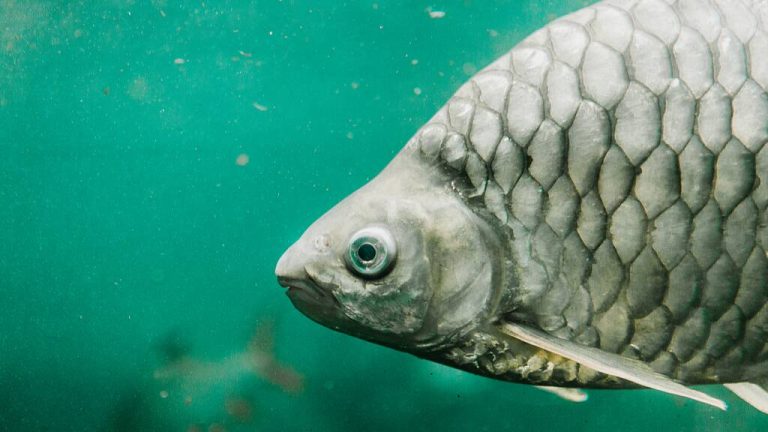
In a groundbreaking achievement, scientists in China have successfully created a new strain of gibel carp fish that is virtually free of intermuscular bones. This innovative breakthrough has the potential to revolutionize the way we consume fish, making it safer and easier to eat. The researchers at the Chinese Academy of Sciences used the CRISPR gene-editing technique to disable a specific gene responsible for the formation of these fine bones, while keeping the fish’s main skeleton intact.
The gibel carp fish, a popular edible species in China, is known for its delicate flavor and soft texture. However, like many other fish species, it contains intermuscular bones that can be a nuisance to eat and even pose a choking hazard. These fine bones, also known as pin bones, are embedded in the fish’s flesh and can be difficult to remove completely. The presence of these bones not only makes the eating experience less enjoyable but also increases the risk of choking, especially for children and the elderly.
To address this issue, the Chinese scientists turned to CRISPR, a powerful gene-editing tool that has been making waves in the scientific community. CRISPR, which stands for Clustered Regularly Interspaced Short Palindromic Repeats, allows researchers to precisely edit genes within an organism’s DNA. By introducing a small change to the genome, scientists can disable or modify specific genes, effectively “editing” the organism’s genetic code.
In this case, the researchers used CRISPR to target the gene responsible for the formation of intermuscular bones in the gibel carp fish. By disabling this gene, they were able to create a new strain of fish that is virtually bone-free. The resulting fish has a similar texture and flavor to its traditional counterpart, but without the pesky pin bones.
The implications of this breakthrough are significant. For one, it could reduce the risk of choking associated with eating fish. According to the American Academy of Pediatrics, choking is a leading cause of injury and death in children, with food being a common culprit. By creating a bone-free fish, the Chinese scientists may have found a way to make fish a safer food option for people of all ages.
Furthermore, this innovation could also make fish more appealing to consumers who are put off by the presence of bones. Many people avoid eating fish because of the hassle and discomfort of dealing with bones, but a bone-free fish could change that. With the global demand for fish on the rise, this breakthrough could have a significant impact on the fishing industry and the way we consume fish.
The use of CRISPR in this study also highlights the potential of gene-editing technology in agriculture and food production. By precisely editing genes, scientists can create crops and animals with desirable traits, such as increased nutritional value, improved disease resistance, or enhanced flavor. This could lead to a more sustainable and efficient food system, with benefits for both consumers and the environment.
While the creation of a bone-free fish is a significant achievement, it is essential to note that this technology is still in its early stages. Further research is needed to ensure the safety and efficacy of gene-edited fish for human consumption. Additionally, regulatory frameworks will need to be put in place to govern the use of CRISPR in food production.
In conclusion, the creation of a ‘bone-free’ fish in China is a remarkable achievement that has the potential to transform the way we eat fish. By using CRISPR gene-editing to disable the gene responsible for intermuscular bones, scientists have created a new strain of gibel carp fish that is safer and easier to eat. This breakthrough could reduce choking risks, make fish more appealing to consumers, and pave the way for a more sustainable and efficient food system. As this technology continues to evolve, we can expect to see more innovative applications of gene-editing in agriculture and food production.
News Source: https://www.republicworld.com/science/boneless-fish-created-by-china-in-lab-after-years-of-research
About the Author