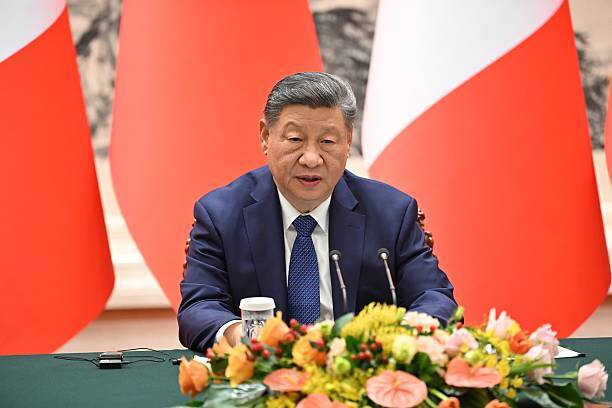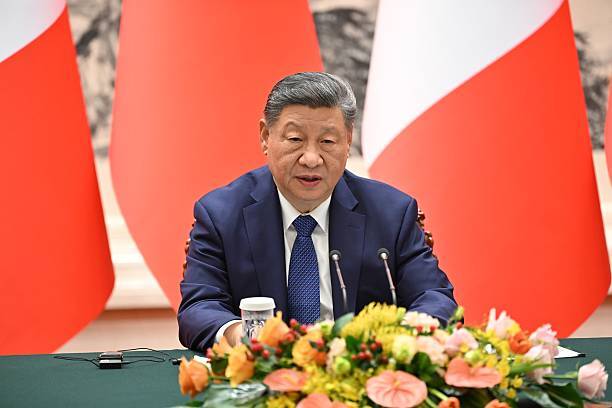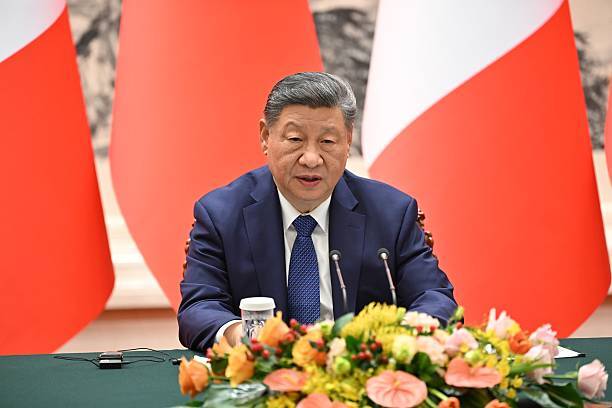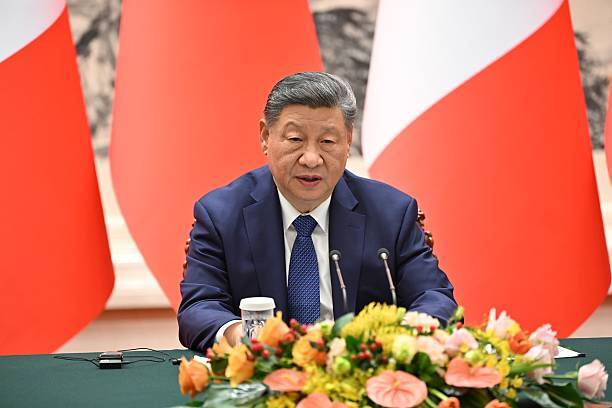
President Xi highlights AI and chip progress in New Year speech
As the world welcomed a new year, Chinese President Xi Jinping took the opportunity to reflect on the country’s achievements and outline its future goals in his annual New Year speech. This year’s address was particularly notable for its emphasis on China’s advances in artificial intelligence (AI), semiconductors, robotics, and defense. Despite facing global tech curbs, President Xi expressed confidence in China’s ability to strengthen its position as a technological powerhouse.
The speech came at a crucial time, as China is nearing the end of its 14th Five-Year Plan and preparing for the next cycle beginning in 2026. The current plan has seen significant investments in emerging technologies, and the results are starting to bear fruit. China has made tremendous progress in AI, with applications in various sectors, including healthcare, finance, and transportation. The country has also become a leader in the development of 5G technology, with companies like Huawei and ZTE playing a major role in the global rollout of 5G networks.
One of the key areas highlighted by President Xi was China’s progress in semiconductor manufacturing. The country has been working to reduce its reliance on foreign chips, and significant strides have been made in recent years. Domestic companies like SMIC and HSMC have made notable breakthroughs in chip production, and the government has provided substantial support for the industry through investments and subsidies.
The emphasis on self-reliance in semiconductor manufacturing is not surprising, given the global tech curbs imposed on China. The US, in particular, has been tightening restrictions on the export of advanced technologies to China, citing national security concerns. However, China has been working to mitigate the impact of these restrictions by developing its own capabilities and reducing its dependence on foreign technologies.
President Xi also highlighted the importance of manufacturing recovery and self-reliance in his speech. The COVID-19 pandemic had a significant impact on China’s manufacturing sector, with lockdowns and supply chain disruptions affecting production. However, the country has been working to recover and rebuild its manufacturing capabilities, with a focus on emerging technologies like AI, robotics, and the Internet of Things (IoT).
The speech also touched on China’s defense sector, with President Xi emphasizing the need for the country to strengthen its military capabilities. China has been investing heavily in defense technology, including the development of advanced missiles, drones, and cyber warfare capabilities. The country has also been expanding its military presence in the Asia-Pacific region, with a focus on protecting its territorial claims and interests.
The emphasis on AI, semiconductors, and defense in President Xi’s speech reflects China’s long-term strategic goals. The country is seeking to become a global leader in emerging technologies, and it is willing to invest heavily to achieve this goal. The 14th Five-Year Plan has provided a framework for China’s technological development, and the next plan is likely to build on this foundation.
As China prepares for the next cycle of its Five-Year Plan, it is clear that the country will continue to prioritize emerging technologies like AI, semiconductors, and robotics. The government will likely provide substantial support for these industries, including investments, subsidies, and tax incentives. Domestic companies will be encouraged to innovate and develop new technologies, with a focus on reducing reliance on foreign imports.
The global implications of China’s technological advances are significant. As the country becomes more self-reliant in areas like semiconductor manufacturing, it will reduce its dependence on foreign technologies and increase its competitiveness in the global market. This could have a major impact on the global tech industry, with Chinese companies potentially challenging the dominance of US and European firms.
In conclusion, President Xi’s New Year speech highlighted China’s significant progress in AI, semiconductors, robotics, and defense. Despite facing global tech curbs, the country is confident in its ability to strengthen its position as a technological powerhouse. As China prepares for the next cycle of its Five-Year Plan, it is clear that emerging technologies will remain a top priority. The country’s emphasis on self-reliance and manufacturing recovery will likely drive innovation and growth in the years to come.
About the Author