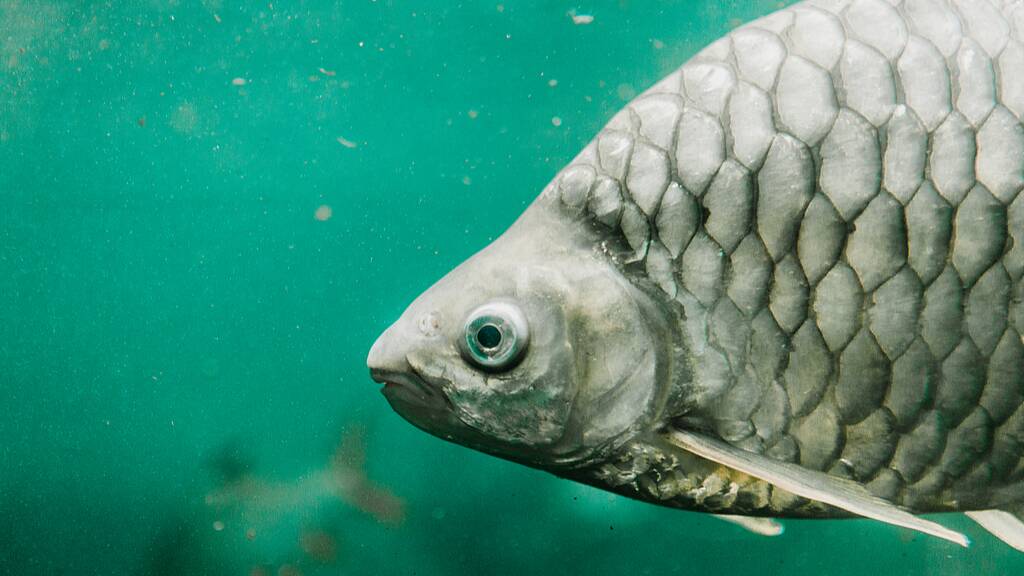
‘Bone-free’ fish created in China
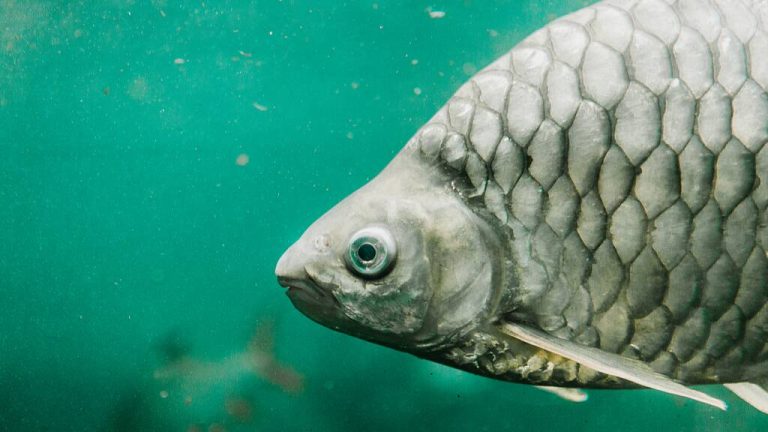
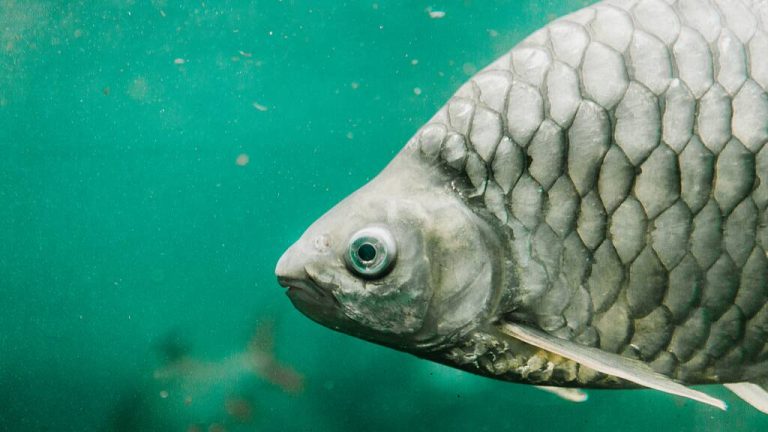
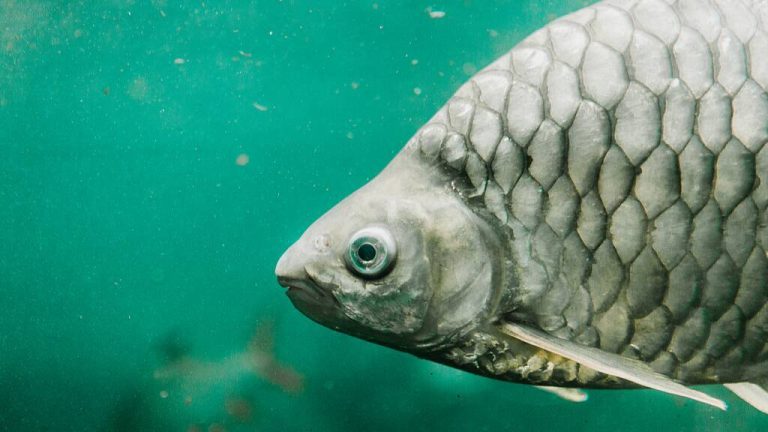
In a groundbreaking development, a team of scientists at the Chinese Academy of Sciences has successfully created a new strain of gibel carp fish that is virtually free of intermuscular bones. This innovation, achieved through the use of CRISPR gene-editing technology, has significant implications for the food industry and consumers alike. The breakthrough could reduce the risk of choking hazards associated with eating fish, making it safer and easier to consume.
The gibel carp, a species of freshwater fish, is widely farmed and consumed in China. However, like many other types of fish, it contains intermuscular bones, also known as pin bones, which can be a nuisance to eat and pose a choking risk, particularly for young children and the elderly. To address this issue, the Chinese scientists set out to disable the gene responsible for the development of these fine bones, while keeping the fish’s main skeleton intact.
The CRISPR-Cas9 gene-editing tool, which has revolutionized the field of genetics, was used to achieve this feat. CRISPR, short for Clustered Regularly Interspaced Short Palindromic Repeats, is a powerful technology that allows scientists to precisely edit genes within an organism’s genome. By introducing a small change to the gene responsible for intermuscular bone development, the researchers were able to effectively “turn off” the production of these bones.
The process of creating the ‘bone-free’ fish was not straightforward and required years of research and experimentation. The scientists had to carefully identify the specific gene responsible for intermuscular bone development and then design a guide RNA molecule that could target and disable it. They also had to ensure that the gene-editing process did not have any unintended consequences on the fish’s overall health and development.
After successfully editing the gene, the researchers bred the modified fish to produce a new strain that was virtually free of intermuscular bones. The resulting fish, which has been dubbed the “bone-free” gibel carp, has been found to be safe for consumption and retains all the nutritional benefits of its bony counterparts.
The implications of this breakthrough are significant. For one, it could lead to a reduction in choking hazards associated with eating fish. According to the American Academy of Pediatrics, choking is a leading cause of injury and death in children, with food being a common culprit. Fish bones, in particular, are a notorious choking hazard, and the creation of ‘bone-free’ fish could help mitigate this risk.
The development of ‘bone-free’ fish could also have economic benefits for the food industry. Fish processing companies could save time and money by not having to manually remove bones from fish fillets. Additionally, the creation of ‘bone-free’ fish could lead to the development of new products, such as boneless fish sticks or fish nuggets, which could be more appealing to consumers.
Furthermore, the use of CRISPR gene-editing technology in this breakthrough highlights the vast potential of this technology in improving food security and safety. Gene editing can be used to introduce desirable traits into crops and livestock, such as disease resistance or improved nutritional content. It can also be used to reduce the environmental impact of farming by creating crops that require fewer pesticides or fertilizers.
In conclusion, the creation of ‘bone-free’ fish in China is a significant achievement that has the potential to revolutionize the food industry. The use of CRISPR gene-editing technology has enabled scientists to disable the gene responsible for intermuscular bone development, resulting in a safer and easier-to-eat fish product. As the world’s population continues to grow, innovations like this will be crucial in ensuring that we can produce enough food to meet the demand while minimizing the risks associated with food consumption.
News Source: https://www.republicworld.com/science/boneless-fish-created-by-china-in-lab-after-years-of-research
About the Author