‘Bone-free’ fish created in China
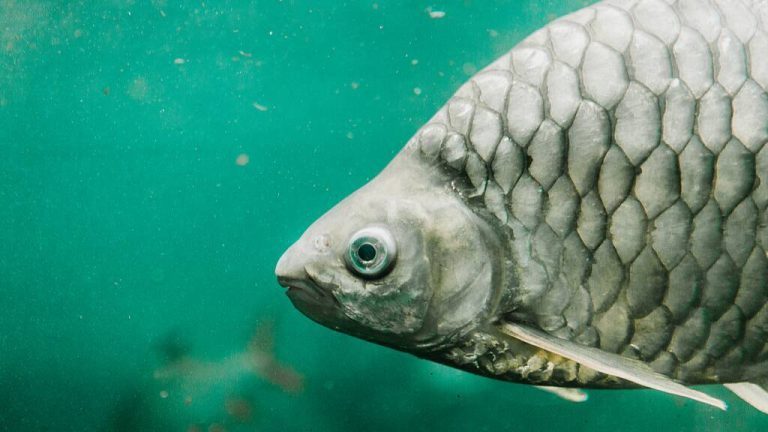
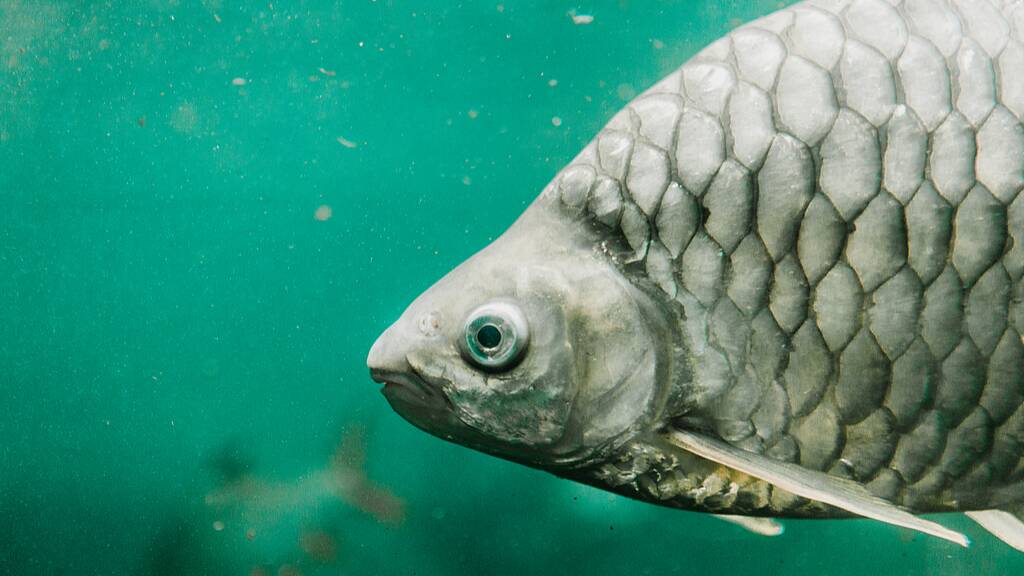
The world of aquaculture has just taken a significant leap forward, thanks to a groundbreaking discovery made by scientists in China. A new strain of gibel carp fish has been created that is virtually free of intermuscular bones, making it safer and easier to eat. This innovative breakthrough has been made possible by the use of CRISPR gene-editing technology, which has enabled scientists to disable a specific gene responsible for the development of these fine bones.
The gibel carp is a popular species of fish in China, widely consumed and cultivated for its flavorful flesh. However, one of the major drawbacks of eating this fish has been the presence of numerous intermuscular bones, which can be a choking hazard, especially for children and the elderly. These fine bones can also make the fish more difficult to eat, requiring careful filleting and deboning to avoid any unpleasant surprises.
To address this issue, scientists at the Chinese Academy of Sciences turned to CRISPR gene-editing, a powerful tool that allows for precise modifications to an organism’s genome. By targeting the gene responsible for the development of intermuscular bones, the researchers were able to create a new strain of gibel carp that is virtually bone-free. This achievement is a significant milestone in the field of aquaculture, as it has the potential to revolutionize the way we produce and consume fish.
The use of CRISPR gene-editing in this breakthrough is a testament to the technology’s versatility and potential. CRISPR, which stands for Clustered Regularly Interspaced Short Palindromic Repeats, is a natural defense mechanism found in bacteria that has been harnessed by scientists to edit genes with unprecedented precision. By using CRISPR to disable the gene responsible for intermuscular bones, the researchers were able to create a fish that is not only safer to eat but also more convenient to prepare.
One of the most significant advantages of this breakthrough is the reduced risk of choking hazards associated with eating fish. Intermuscular bones can be a major concern for consumers, particularly for young children and older adults who may have difficulty swallowing or chewing their food properly. By creating a bone-free fish, scientists have effectively eliminated this risk, making it possible for people to enjoy their favorite fish dishes without worrying about the potential dangers of choking.
The creation of bone-free fish also has significant implications for the food industry. Fish processors and manufacturers will no longer need to spend time and resources on deboning and filleting, which can be a time-consuming and labor-intensive process. This could lead to cost savings and increased efficiency, making fish a more competitive and attractive option for consumers.
Furthermore, the development of bone-free fish could also have a positive impact on the environment. Traditional fish farming methods often involve the use of wild-caught fish as feed, which can lead to overfishing and depletion of natural fish populations. By creating a more efficient and sustainable way to produce fish, scientists may be able to reduce the demand for wild-caught fish and promote more environmentally friendly aquaculture practices.
While the creation of bone-free fish is a significant breakthrough, it is essential to note that this technology is still in its infancy. Further research is needed to ensure that the fish are safe for human consumption and to address any potential concerns about the long-term effects of gene editing on the fish’s health and well-being.
In conclusion, the creation of ‘bone-free’ fish in China is a groundbreaking achievement that has the potential to revolutionize the way we produce and consume fish. By using CRISPR gene-editing to disable the gene responsible for intermuscular bones, scientists have created a safer, more convenient, and more sustainable alternative to traditional fish farming methods. As this technology continues to evolve, we can expect to see significant advancements in the field of aquaculture, leading to a more efficient, sustainable, and enjoyable food system for all.
News Source: https://www.republicworld.com/science/boneless-fish-created-by-china-in-lab-after-years-of-research
About the Author