‘Bone-free’ fish created in China
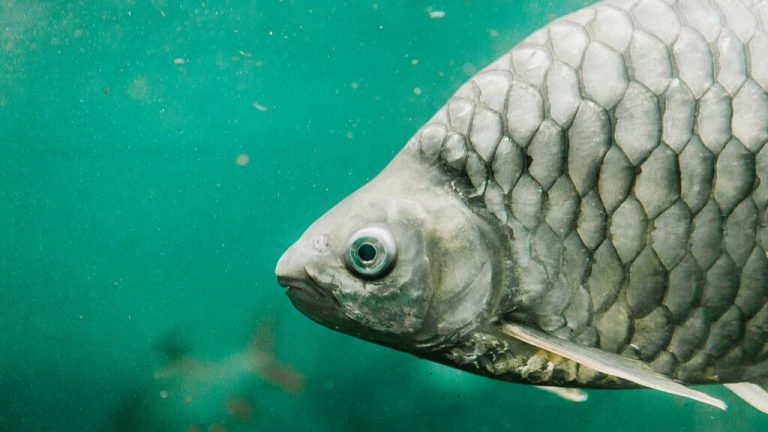
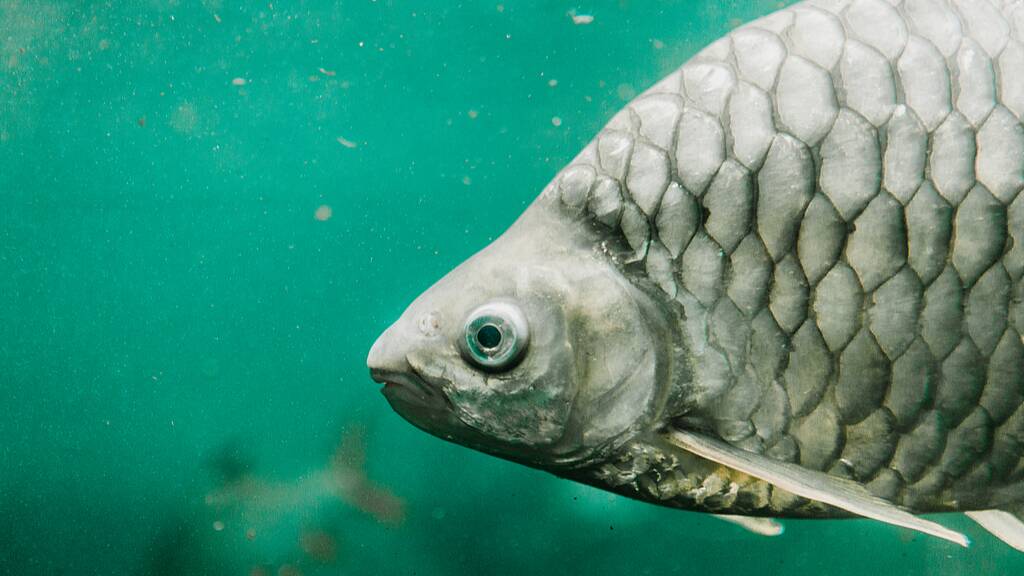
In a groundbreaking achievement, Chinese scientists have successfully created a new strain of gibel carp fish that is virtually free of intermuscular bones. This innovative breakthrough has the potential to revolutionize the way we consume fish, making it safer and easier to eat. The scientists at the Chinese Academy of Sciences used CRISPR gene-editing technology to disable a specific gene responsible for the development of these fine bones, while keeping the fish’s main skeleton intact.
The creation of ‘bone-free’ fish is a significant milestone in the field of aquaculture and food science. Fish bones, especially the small intermuscular bones, can be a major hazard for consumers, particularly children and the elderly. Choking on fish bones is a common occurrence, and in some cases, it can be life-threatening. The new strain of gibel carp fish, which has been engineered to have minimal bones, could significantly reduce the risk of choking and make fish a more enjoyable and safe food option for people of all ages.
The use of CRISPR gene-editing technology has been instrumental in achieving this breakthrough. CRISPR, which stands for Clustered Regularly Interspaced Short Palindromic Repeats, is a powerful tool that allows scientists to edit genes with unprecedented precision. By targeting specific genes, scientists can disable or modify them, which can lead to significant changes in the characteristics of an organism. In the case of the ‘bone-free’ fish, the scientists used CRISPR to disable a gene that is responsible for the development of intermuscular bones.
The process of creating the ‘bone-free’ fish was not straightforward, and it required years of research and experimentation. The scientists had to identify the specific gene responsible for the development of intermuscular bones and then use CRISPR to disable it. They also had to ensure that the modification did not have any unintended consequences, such as affecting the fish’s overall health or skeletal structure. The fact that the scientists were able to achieve this feat is a testament to the power of CRISPR technology and the dedication of the research team.
The creation of ‘bone-free’ fish has significant implications for the food industry. Fish is a popular food source, and the demand for it is increasing globally. However, the presence of bones can be a major deterrent for some consumers. The new strain of gibel carp fish could change this, making fish a more appealing option for people who are put off by the bones. Additionally, the ‘bone-free’ fish could also reduce food waste, as consumers would be more likely to eat the entire fish, rather than discarding the bony parts.
The breakthrough could also have significant economic benefits. The fish farming industry is a significant sector, and the creation of ‘bone-free’ fish could lead to increased demand and revenue. Additionally, the technology used to create the ‘bone-free’ fish could also be applied to other species, leading to a wider range of boneless fish options.
However, it is also important to consider the potential risks and challenges associated with the creation of ‘bone-free’ fish. Some critics have raised concerns about the use of gene-editing technology in food production, citing potential risks to human health and the environment. While the scientists have taken steps to ensure that the modification is safe, more research is needed to fully understand the long-term implications of consuming genetically modified fish.
In conclusion, the creation of ‘bone-free’ fish in China is a significant achievement that has the potential to revolutionize the way we consume fish. The use of CRISPR gene-editing technology has made it possible to disable the gene responsible for intermuscular bones, making the fish safer and easier to eat. While there are potential risks and challenges associated with this breakthrough, the benefits are significant, and it could lead to a significant reduction in choking risks and increased demand for fish. As the world continues to grapple with the challenges of food security and sustainability, innovations like the ‘bone-free’ fish are a reminder of the power of science and technology to shape our food systems.
News Source: https://www.republicworld.com/science/boneless-fish-created-by-china-in-lab-after-years-of-research
About the Author