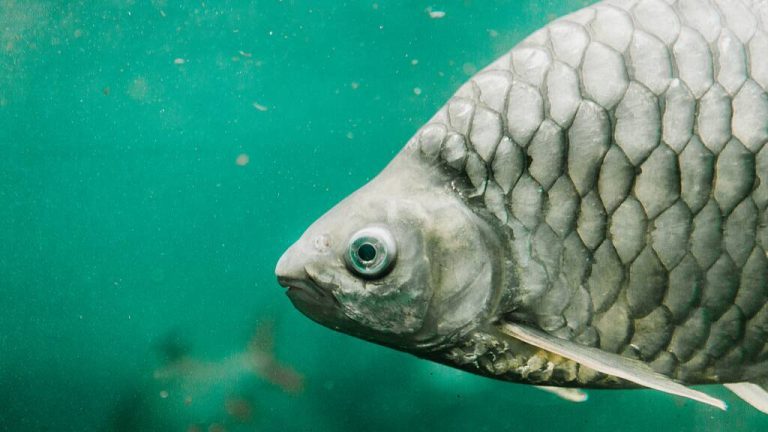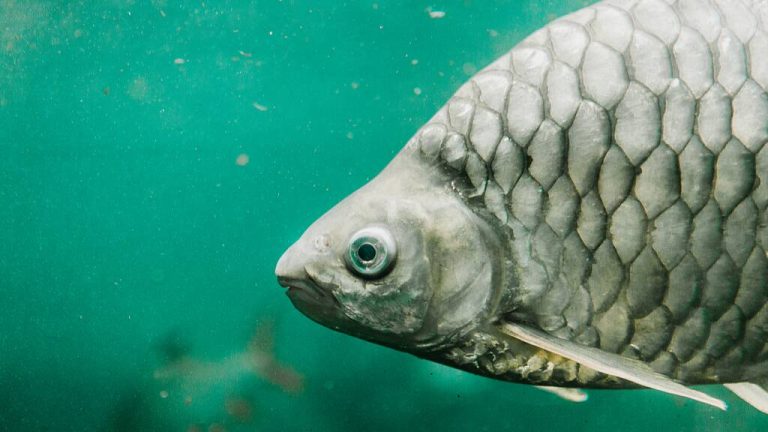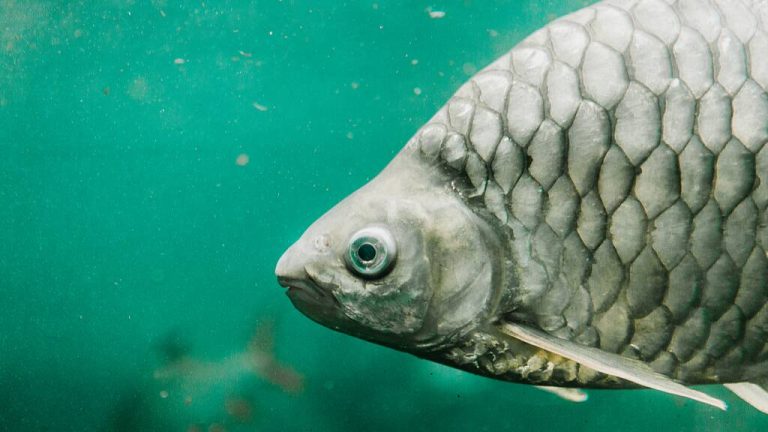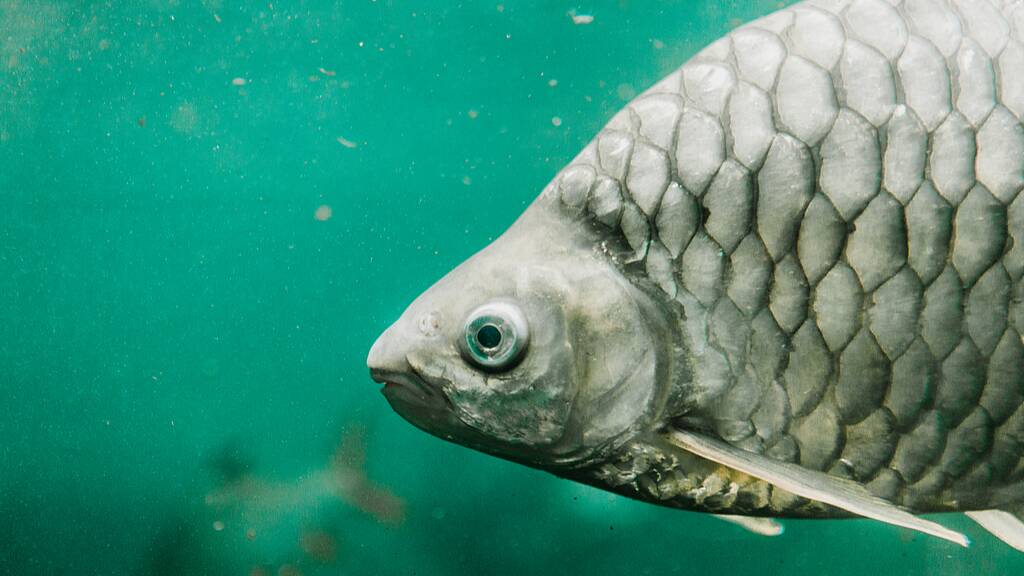
‘Bone-free’ fish created in China
The world of aquaculture has witnessed a significant breakthrough with the creation of a new strain of gibel carp fish that is virtually free of intermuscular bones. This innovative development, achieved by scientists at the Chinese Academy of Sciences, has the potential to revolutionize the way we consume fish, making it safer and easier to eat. The breakthrough is the result of years of research and the application of CRISPR gene-editing technology, which has enabled the disabling of a specific gene responsible for the formation of fine bones within the fish’s flesh.
The gibel carp, a species of fish commonly consumed in China, is known for its delicate flavor and firm texture. However, like many other types of fish, it contains intermuscular bones, which can be a choking hazard, particularly for young children and the elderly. These fine bones, also known as pin bones, are embedded within the fish’s flesh and can be difficult to remove, making the fish a potentially hazardous food option.
To address this issue, scientists at the Chinese Academy of Sciences employed CRISPR gene-editing technology to target the gene responsible for the formation of intermuscular bones. CRISPR, which stands for Clustered Regularly Interspaced Short Palindromic Repeats, is a powerful tool that allows researchers to edit genes with unprecedented precision. By disabling the gene responsible for bone formation, the scientists were able to create a strain of gibel carp that is virtually bone-free, while keeping the fish’s main skeleton intact.
The implications of this breakthrough are significant. For one, it reduces the risk of choking associated with eating fish. Intermuscular bones can be a serious hazard, particularly for vulnerable populations such as children and the elderly. By removing these bones, the risk of choking is significantly reduced, making fish a safer food option for everyone. Additionally, the bone-free fish is also easier to eat, as it eliminates the need to carefully pick out bones while consuming the fish.
The creation of bone-free fish also has significant economic implications. Fish is a major source of protein for millions of people around the world, and the demand for fish is expected to continue to grow in the coming years. By making fish safer and easier to eat, the Chinese scientists have opened up new opportunities for the aquaculture industry. Fish farmers and processors can now produce bone-free fish, which can be sold at a premium price, providing a new revenue stream for the industry.
Furthermore, the use of CRISPR gene-editing technology in this breakthrough has significant implications for the field of aquaculture. CRISPR has the potential to revolutionize the way we breed fish and other aquatic animals, allowing for the creation of new strains with desirable traits such as improved growth rates, disease resistance, and enhanced nutritional content. The application of CRISPR in aquaculture can also help to reduce the environmental impact of fish farming, by allowing for the creation of fish that are more efficient to produce and require less feed.
In conclusion, the creation of ‘bone-free’ fish in China is a significant breakthrough that has the potential to revolutionize the way we consume fish. The use of CRISPR gene-editing technology has enabled the disabling of a specific gene responsible for the formation of intermuscular bones, making the fish safer and easier to eat. The implications of this breakthrough are far-reaching, with significant economic, environmental, and social benefits. As the demand for fish continues to grow, the creation of bone-free fish provides a new opportunity for the aquaculture industry to meet this demand, while also reducing the risk of choking and making fish a more enjoyable and convenient food option.
News Source: https://www.republicworld.com/science/boneless-fish-created-by-china-in-lab-after-years-of-research
About the Author