President Xi highlights AI and chip progress in New Year speech
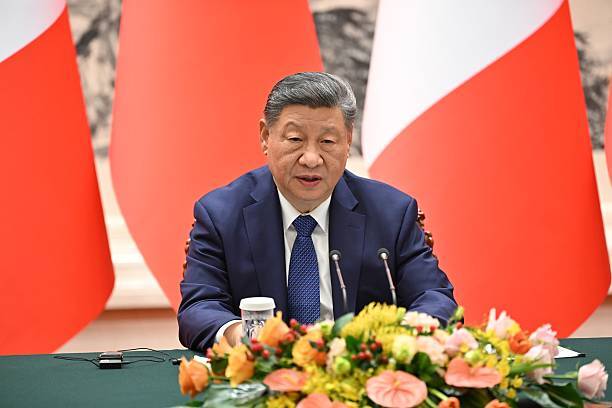
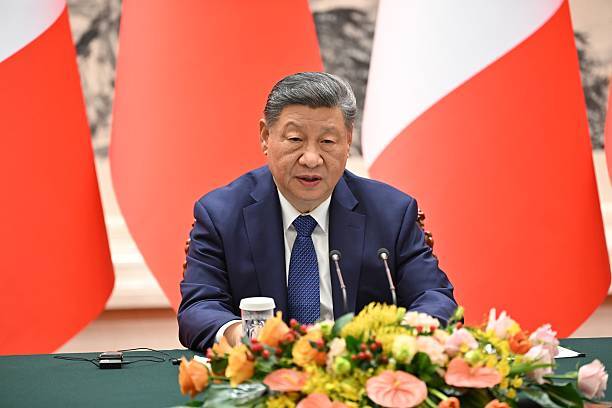
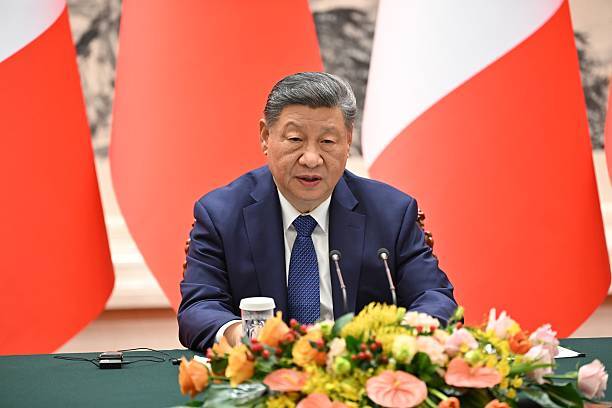
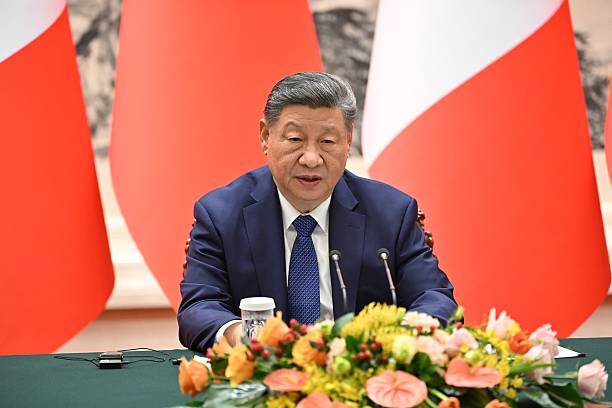
As the world welcomes a new year, Chinese President Xi Jinping has used his annual New Year speech to highlight the country’s significant advancements in artificial intelligence (AI), semiconductors, robotics, and defense. Despite facing global tech curbs, China is strengthening its position as a leader in these critical fields. The speech comes as China nears the end of its 14th Five-Year Plan and prepares for the next cycle beginning in 2026, with a strong focus on manufacturing recovery and self-reliance.
In his speech, President Xi emphasized the importance of technological innovation and self-reliance in driving China’s economic growth and development. He noted that the country has made significant progress in key areas such as AI, semiconductors, and robotics, which are critical to China’s future competitiveness and national security. The President’s comments suggest that China is committed to continuing its investments in these areas, despite the challenges posed by global tech curbs and sanctions.
One of the key areas highlighted by President Xi was China’s progress in AI. The country has made significant strides in recent years, with major breakthroughs in areas such as natural language processing, computer vision, and machine learning. Chinese companies such as Baidu, Alibaba, and Tencent have become major players in the global AI industry, and the country is home to a thriving ecosystem of AI startups and researchers.
In addition to AI, President Xi also emphasized China’s progress in semiconductors. The country has been investing heavily in its domestic semiconductor industry, with a focus on developing advanced manufacturing capabilities and reducing reliance on foreign suppliers. This effort has been driven in part by the US-China trade war, which has highlighted the risks of relying on foreign suppliers for critical technologies. Chinese companies such as SMIC and Hua Hong Semiconductor have made significant progress in recent years, and the country is now home to a number of world-class semiconductor manufacturing facilities.
Robotics is another area where China has made significant progress in recent years. The country has become a major producer of industrial robots, with companies such as KUKA and ABB establishing major manufacturing facilities in China. Chinese companies such as DJI and UBTECH have also become major players in the global robotics industry, with a focus on developing advanced robots for applications such as manufacturing, logistics, and healthcare.
Finally, President Xi also highlighted China’s progress in defense technology. The country has been investing heavily in its military modernization efforts, with a focus on developing advanced capabilities such as stealth aircraft, hypersonic missiles, and cyber warfare. Chinese companies such as China Aerospace Science and Industry Corporation (CASIC) and China Electronics Technology Group Corporation (CETC) have become major players in the global defense industry, and the country is now home to a number of world-class defense research and development facilities.
Overall, President Xi’s New Year speech suggests that China is committed to continuing its investments in critical technologies such as AI, semiconductors, robotics, and defense. Despite the challenges posed by global tech curbs and sanctions, the country is determined to strengthen its position as a leader in these fields and reduce its reliance on foreign suppliers. As China prepares for the next cycle of its Five-Year Plan, it is clear that technological innovation and self-reliance will remain at the forefront of the country’s economic development strategy.
The emphasis on manufacturing recovery and self-reliance is also a key theme in President Xi’s speech. The country has faced significant challenges in recent years, including a slowdown in economic growth and a decline in manufacturing output. However, the President’s comments suggest that China is committed to reversing this trend and restoring its position as a major manufacturing hub. This will require significant investments in areas such as infrastructure, education, and research and development, as well as a focus on developing advanced manufacturing capabilities such as AI, robotics, and 3D printing.
As China looks to the future, it is clear that the country will face significant challenges and opportunities. The global tech landscape is rapidly evolving, with new technologies such as 5G, blockchain, and the Internet of Things (IoT) emerging as major drivers of growth and innovation. China will need to navigate this landscape carefully, balancing its desire for technological advancement with the need to address concerns around security, privacy, and ethics.
In conclusion, President Xi’s New Year speech highlights China’s significant progress in critical technologies such as AI, semiconductors, robotics, and defense. Despite facing global tech curbs and sanctions, the country is committed to continuing its investments in these areas and reducing its reliance on foreign suppliers. As China prepares for the next cycle of its Five-Year Plan, it is clear that technological innovation and self-reliance will remain at the forefront of the country’s economic development strategy.
About the Author