How Moon altered the orbit of Chandrayaan-3’s propulsion module?
The Indian Space Research Organisation (ISRO) has achieved a significant milestone in its Chandrayaan-3 mission, with the spacecraft’s propulsion module undergoing a remarkable change in its Earth orbit. This alteration was facilitated by the Moon’s gravity, which pulled the spacecraft during two close flybys in November 2025. The event is a testament to the ingenuity of space agencies in leveraging celestial bodies to modify spacecraft trajectories, thereby conserving fuel and extending mission lifetimes.
On November 6, 2025, the Chandrayaan-3 propulsion module flew within 3,740 kilometers of the Moon, and just five days later, on November 11, it made another close pass at an altitude of 4,537 kilometers. These two flybys had a profound impact on the spacecraft’s orbit, with the Moon’s gravity exerting a significant influence on its trajectory. As a result, the propulsion module’s orbit size and direction underwent a substantial change, all without the need for any fuel consumption.
This gravity-assisted maneuver is a common technique employed by space agencies to alter the trajectory of spacecraft. By flying a spacecraft close to a celestial body, such as a planet or moon, the spacecraft can harness the object’s gravity to change its velocity and direction. This technique is particularly useful for interplanetary missions, where the vast distances involved require significant amounts of fuel to achieve the desired trajectory.
In the case of the Chandrayaan-3 propulsion module, the Moon’s gravity played a crucial role in altering its orbit. The close flybys allowed the spacecraft to gain velocity and change its direction, resulting in a new orbit that is more favorable for the mission’s objectives. This altered orbit will enable the spacecraft to continue its journey, potentially leading to new discoveries and a deeper understanding of the Moon and its surroundings.
The success of this gravity-assisted maneuver is a testament to the expertise of ISRO’s mission planners and engineers. By carefully calculating the trajectory of the spacecraft and the gravitational influence of the Moon, they were able to achieve the desired outcome without using any fuel. This not only conserves the spacecraft’s limited resources but also demonstrates the ingenuity and resourcefulness of the ISRO team.
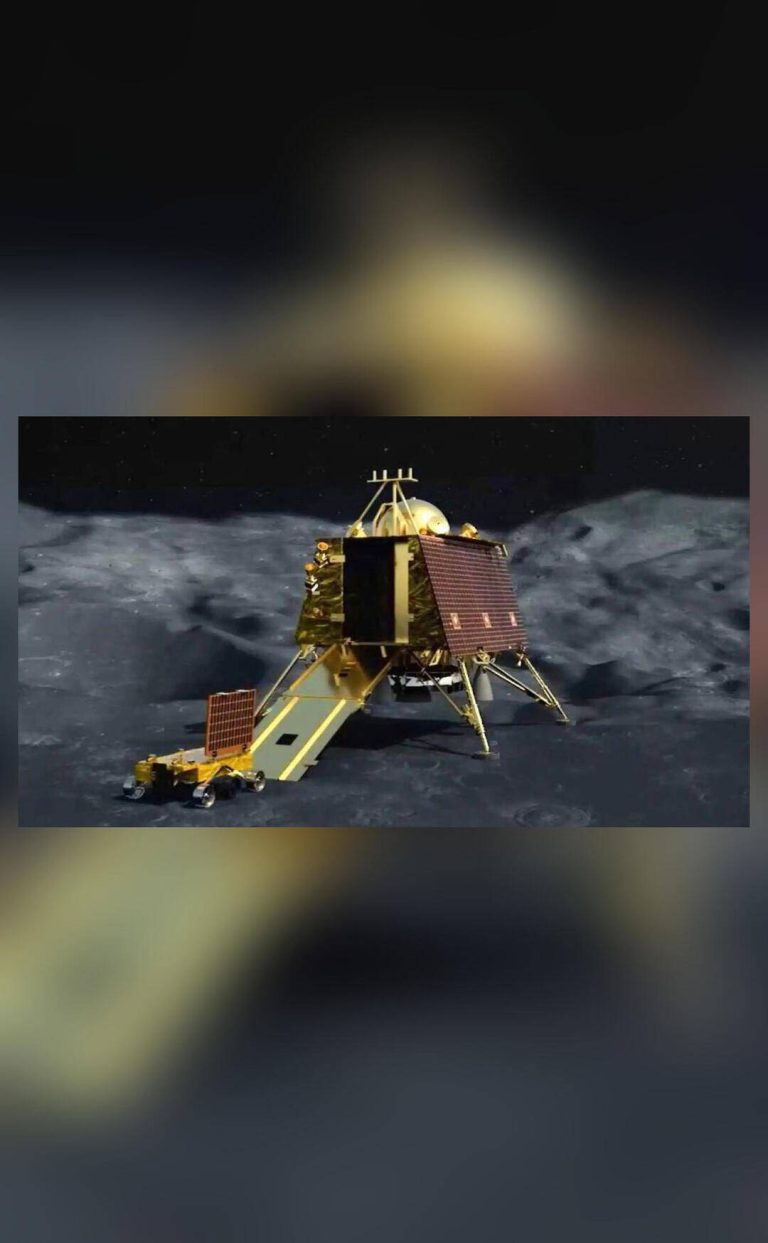
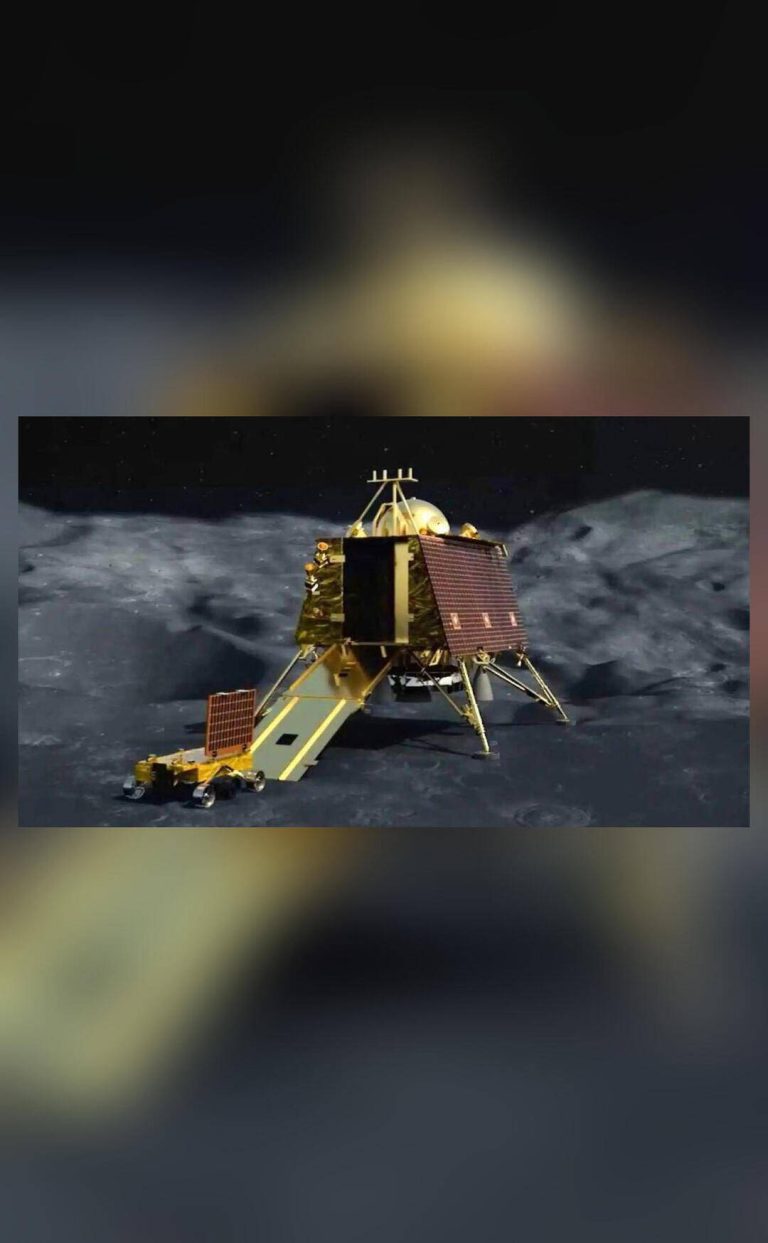
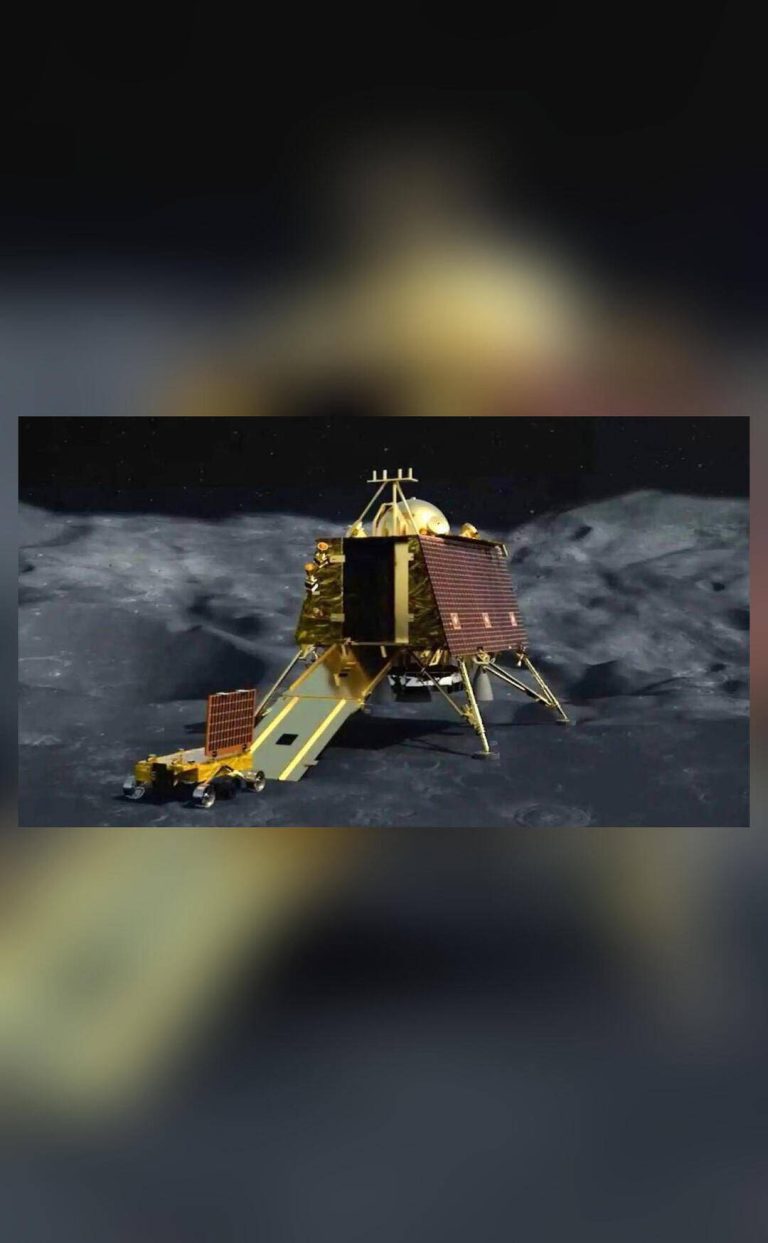
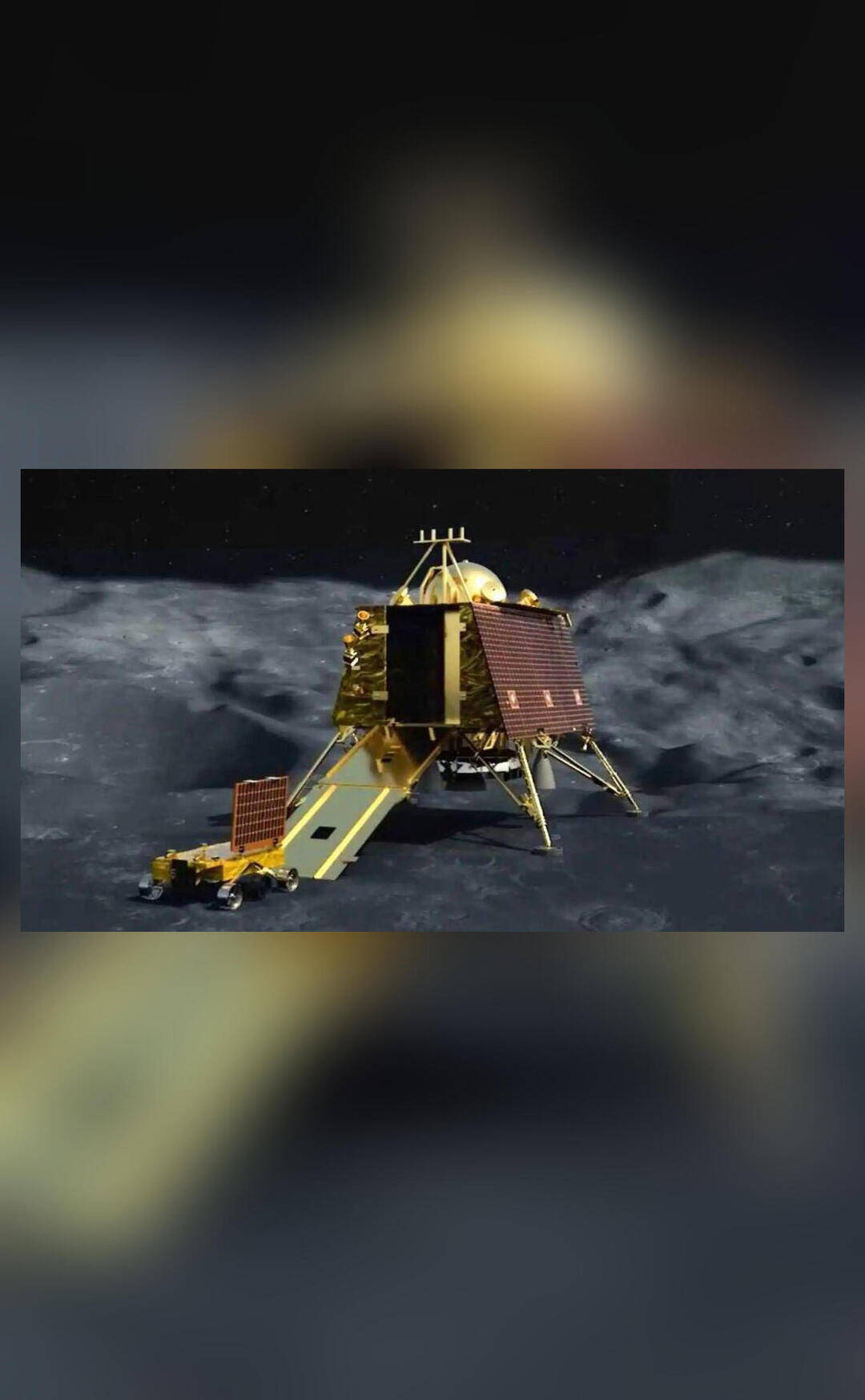
The Chandrayaan-3 mission is a significant milestone in India’s space program, with the aim of landing a rover on the Moon’s south pole. The mission consists of three main components: the propulsion module, the lander, and the rover. The propulsion module is responsible for providing the necessary thrust to escape Earth’s orbit and travel to the Moon, while the lander will separate from the propulsion module and descend to the lunar surface. The rover, once deployed, will conduct scientific experiments and gather data about the Moon’s composition and geology.
The alteration of the propulsion module’s orbit is a critical step in the Chandrayaan-3 mission, as it sets the stage for the lander and rover to achieve their objectives. With the new orbit in place, the spacecraft is now poised to continue its journey, potentially leading to a successful landing on the Moon’s surface.
As the Chandrayaan-3 mission progresses, it will be exciting to see the discoveries that emerge from this ambitious endeavor. The success of the gravity-assisted maneuver is a significant milestone, demonstrating the ingenuity and expertise of ISRO’s engineers and scientists. As we continue to explore the vast expanse of space, such innovations will play a crucial role in shaping the future of space travel and our understanding of the universe.
In conclusion, the alteration of the Chandrayaan-3 propulsion module’s orbit is a remarkable achievement, made possible by the Moon’s gravity and the expertise of ISRO’s mission planners. This event highlights the importance of gravity-assisted maneuvers in space exploration and demonstrates the ingenuity of space agencies in leveraging celestial bodies to modify spacecraft trajectories.
Read the full story at: https://www.newsbytesapp.com/news/science/how-chandrayaan-3-propulsion-module-s-orbit-was-altered-by-moon-s-gravity/story
About the Author