How Moon Altered the Orbit of Chandrayaan-3’s Propulsion Module?
In a remarkable demonstration of celestial mechanics, the Indian Space Research Organisation’s (ISRO) Chandrayaan-3 mission has witnessed a significant alteration in the orbit of its propulsion module, courtesy of the Moon’s gravitational influence. This phenomenon occurred in November 2025, when the spacecraft made two close flybys of the lunar surface, resulting in a substantial change in its Earth orbit. The fascinating aspect of this event is that the orbit was altered without the need for any fuel, leveraging the Moon’s gravity to achieve the desired outcome.
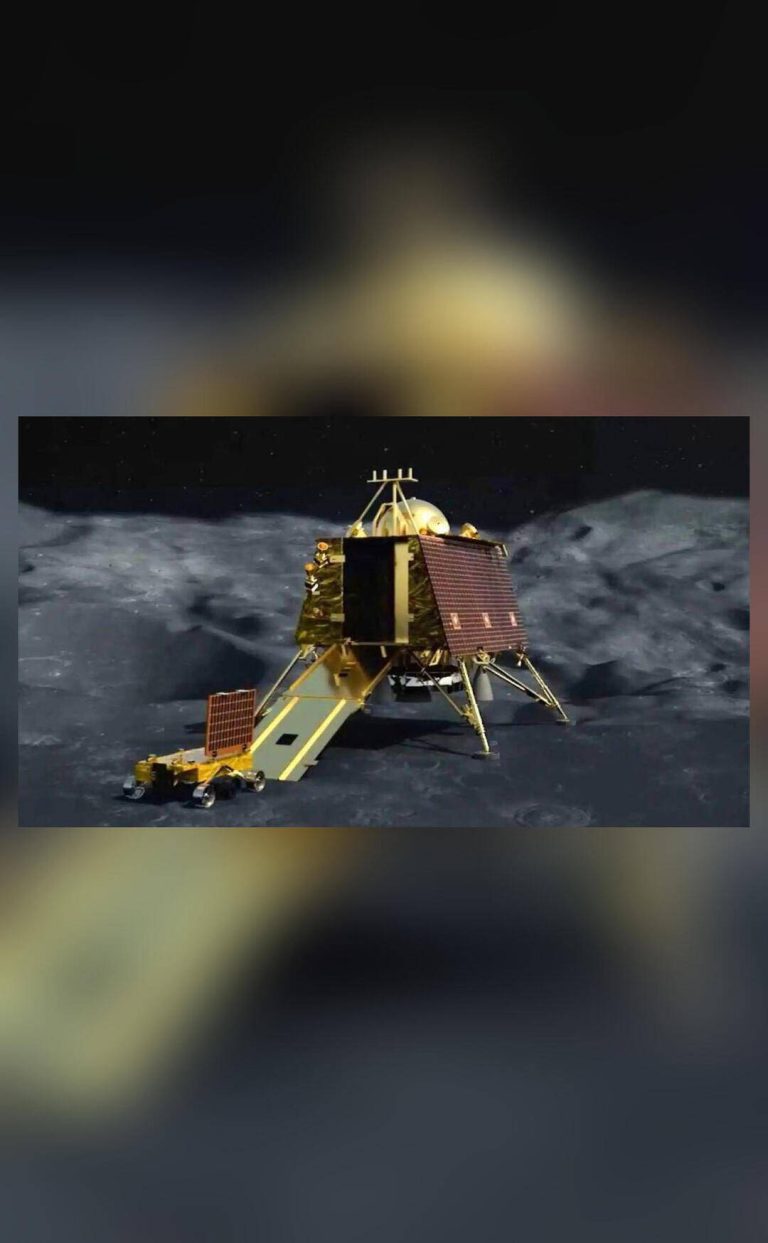
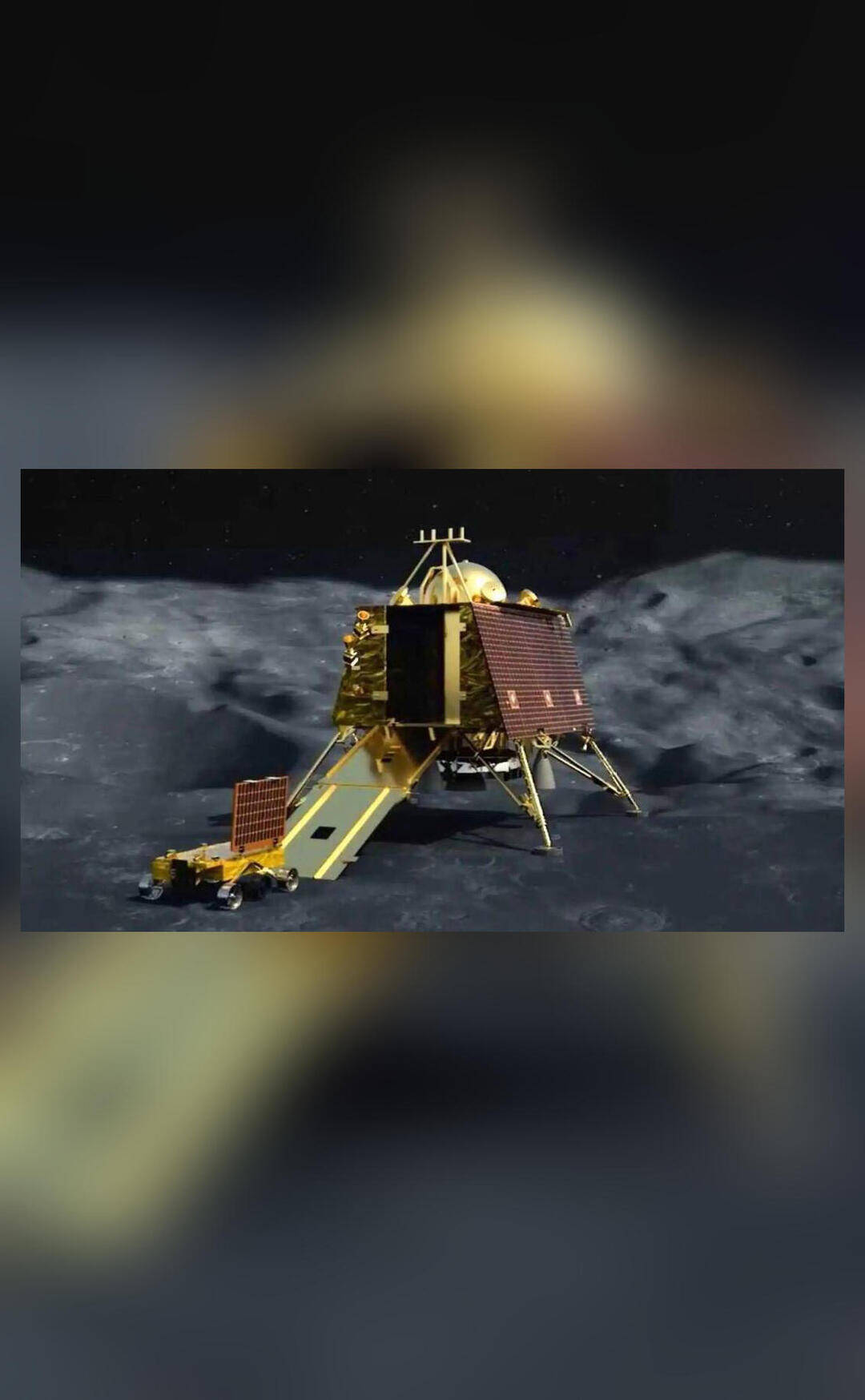
To understand the context and implications of this event, let’s delve into the details of the Chandrayaan-3 mission and the role of the propulsion module. Chandrayaan-3 is ISRO’s third lunar mission, aimed at furthering our understanding of the Moon’s surface, subsurface, and exosphere. The mission comprises a propulsion module, a lander, and a rover, each designed to perform specific functions. The propulsion module serves as the primary propulsion system, responsible for navigating the spacecraft from Earth’s orbit to the Moon’s orbit and eventually landing on the lunar surface.
The recent close encounters between the propulsion module and the Moon have been instrumental in altering its orbit. On November 6, the spacecraft flew by the Moon at an altitude of approximately 3,740 kilometers, and again on November 11, at a distance of about 4,537 kilometers. During these flybys, the Moon’s gravitational force exerted a significant influence on the propulsion module, causing a deviation in its trajectory. This gravitational interaction is a manifestation of the fundamental principles of celestial mechanics, where the gravity of one celestial body can affect the motion of another object in its vicinity.
The outcome of these lunar flybys has been a notable change in the propulsion module’s orbit size and direction. According to ISRO, the Moon’s gravity has naturally altered the module’s path without the need for any fuel consumption. This is a remarkable achievement, as it demonstrates the spacecraft’s ability to exploit the gravitational influence of celestial bodies to achieve its mission objectives. By leveraging the Moon’s gravity, the propulsion module has been able to adjust its orbit, setting the stage for its future operations, including landing on the lunar surface.
The significance of this event extends beyond the specific context of the Chandrayaan-3 mission. It highlights the importance of understanding and harnessing the gravitational influences of celestial bodies to achieve efficient and fuel-conserving space missions. As space agencies and private space companies continue to push the boundaries of space exploration, the ability to exploit gravitational forces will become increasingly crucial. This expertise will enable spacecraft to navigate complex trajectories, perform precise maneuvers, and extend their mission durations, all while minimizing fuel consumption.
The Chandrayaan-3 mission has already demonstrated its capabilities in this regard, showcasing the potential for gravitational forces to be used as a tool for orbit modification. As the mission progresses, it is likely that we will witness further examples of innovative orbital maneuvers, leveraging the gravitational influences of the Earth, Moon, and other celestial bodies.
In conclusion, the alteration of the Chandrayaan-3 propulsion module’s orbit by the Moon’s gravity is a remarkable achievement, highlighting the complex interplay between celestial mechanics and space mission design. As we continue to explore the vast expanse of space, the ability to understand and harness gravitational forces will play an increasingly important role in shaping the trajectory of space missions. The Chandrayaan-3 mission serves as a testament to the ingenuity and expertise of ISRO, and its achievements will undoubtedly contribute to the advancement of space exploration in the years to come.
For more information on this topic, you can visit the news source: https://www.newsbytesapp.com/news/science/how-chandrayaan-3-propulsion-module-s-orbit-was-altered-by-moon-s-gravity/story
About the Author