How Moon altered the orbit of Chandrayaan-3’s propulsion module?
In a fascinating display of celestial mechanics, the Indian Space Research Organisation’s (ISRO) Chandrayaan-3 mission has provided a remarkable example of how the gravity of a celestial body can significantly alter the orbit of a spacecraft. The mission’s propulsion module, which is currently in orbit around the Earth, underwent a substantial change in its orbit after passing close to the Moon on two separate occasions in November 2025. This alteration in the module’s orbit was achieved without the use of any fuel, showcasing the incredible efficiency of gravitational forces in space travel.
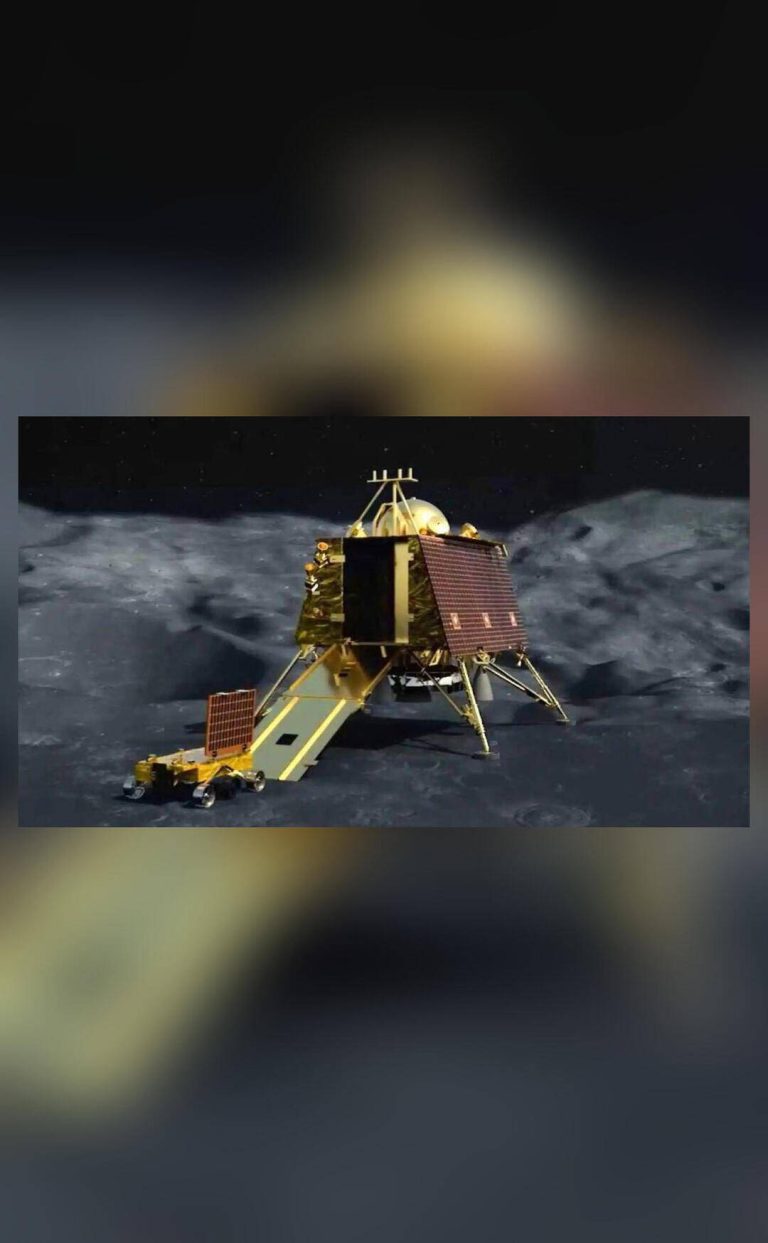
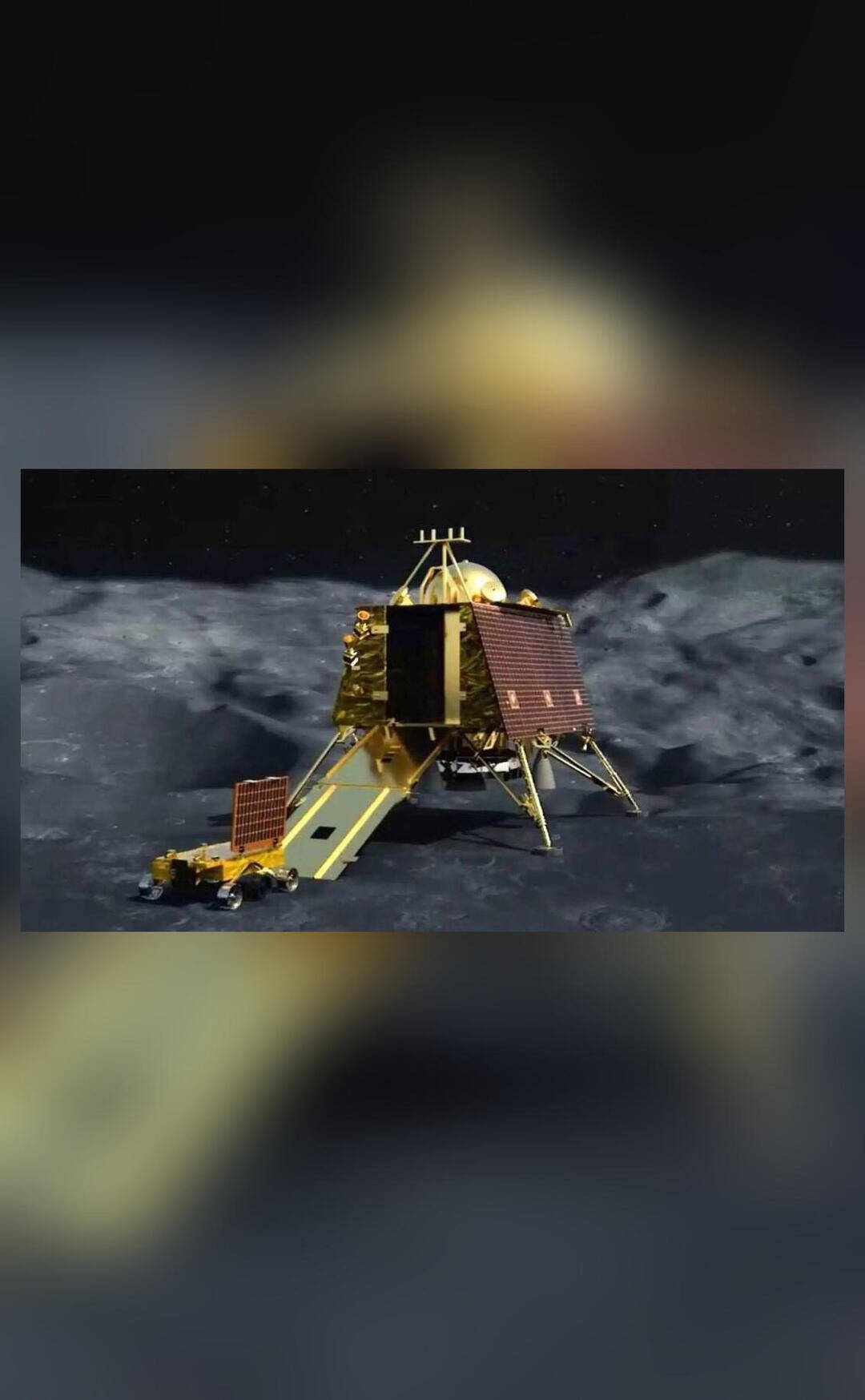
The Chandrayaan-3 mission, which was launched by ISRO in July 2023, consists of a lander, a rover, and a propulsion module. The propulsion module is responsible for providing the necessary thrust for the spacecraft to travel from the Earth to the Moon and to enter into lunar orbit. After successfully completing its primary mission objectives, the propulsion module continued to orbit the Earth, awaiting further instructions from ISRO.
On November 6, 2025, the propulsion module passed within 3,740 kilometers of the Moon’s surface, marking the first of two close flybys with the lunar body. During this flyby, the Moon’s gravity exerted a significant force on the spacecraft, causing its orbit to change. The gravitational force of the Moon, although much weaker than that of the Earth, was sufficient to alter the module’s trajectory, resulting in a change in its orbit size and direction.
Just five days later, on November 11, 2025, the propulsion module made another close pass by the Moon, this time at a distance of 4,537 kilometers. Once again, the lunar gravity pulled on the spacecraft, further modifying its orbit. The cumulative effect of these two flybys was a significant alteration in the module’s orbit, which was achieved without the use of any fuel.
ISRO has confirmed that the Moon’s gravity has changed the orbit of the propulsion module, stating that the module’s orbit size and direction have been altered as a result of the two flybys. This development highlights the importance of gravitational forces in space travel and demonstrates the potential for using these forces to modify the trajectories of spacecraft.
The use of gravitational forces to alter the orbit of a spacecraft is not a new concept. In fact, space agencies around the world have been using gravity assists for decades to change the trajectories of their spacecraft and achieve more efficient and cost-effective missions. Gravity assists involve flying a spacecraft close to a celestial body, such as a planet or moon, in order to harness the gravitational force of that body and change the spacecraft’s trajectory.
The Chandrayaan-3 mission’s experience with the Moon’s gravity provides a fascinating example of the power of gravitational forces in space travel. By flying the propulsion module close to the Moon on two separate occasions, ISRO was able to alter the module’s orbit without using any fuel, demonstrating the potential for using gravitational forces to achieve more efficient and sustainable space missions.
The implications of this development are significant, as it highlights the potential for using gravitational forces to modify the orbits of spacecraft and achieve more efficient and cost-effective missions. As space agencies around the world continue to push the boundaries of space exploration, the use of gravitational forces will likely play an increasingly important role in the planning and execution of space missions.
In conclusion, the alteration of the Chandrayaan-3 propulsion module’s orbit by the Moon’s gravity is a remarkable example of the power of celestial mechanics in space travel. By harnessing the gravitational force of the Moon, ISRO was able to change the module’s orbit without using any fuel, demonstrating the potential for using gravitational forces to achieve more efficient and sustainable space missions. As we continue to explore the vast expanse of space, the use of gravitational forces will likely play an increasingly important role in the planning and execution of space missions.
About the Author